Commuters on noisy trains
If train noise drowns out quieter passages in a film score, a good fit and effective isolation matter. Pause playback or remove one earphone before announcements, or whenever you need to be aware of your surroundings.


Choose a well-fitting in-ear monitor with passive isolation and a sound profile that suit your journey and the film scores you listen to. The strongest isolation isn’t always the best choice if you need to hear announcements. Check that your playback device has a compatible connection, and make sure the headphones remain comfortable when worn for longer periods. Manufacturers’ attenuation figures aren’t measurements of how well they’ll work on your train, and they’re no reason to turn up the volume.
If train noise drowns out quieter passages in a film score, a good fit and effective isolation matter. Pause playback or remove one earphone before announcements, or whenever you need to be aware of your surroundings.
If you choose soundtracks for their tonal balance, compare a more neutral sound profile with one that emphasises the bass. Bear in mind that manufacturers’ descriptions aren’t independent assessments of how their products handle film scores.
For long journeys, look for ear tips that fit your ears, a connection that works with your device and the option to replace wear-and-tear parts.
First, check that the fit and level of isolation you want are right for your journey. Then compare the sound profile, device connection and maintenance options to help you choose.
| Consideration | What to check | Who it matters most to |
|---|---|---|
| Train noise and isolation | Check the fit and ear tips. Treat manufacturers’ attenuation figures as model-specific claims, not measurements taken on your train. | If train noise drowns out quieter passages, a good fit matters to me so I don’t have to turn up the volume. Around 36% of consumers focus mainly on isolation. |
| Sound profile | Compare the sound profile of the specific model rather than deciding based solely on driver specifications or brand claims. | If the balance between instruments and bass passages matters to me, I compare sound profiles carefully. Around 29% of consumers say tonal balance is their top priority. |
| Fit on long journeys | Check the sizes and materials of the included ear tips. If needed, find out whether suitable replacements are available. | On long journeys, I want to find ear tips that feel comfortable; a manufacturer’s figure can’t tell me how they’ll fit my ears. Around 21% of consumers put long-term comfort first. |
| Connection and maintenance | Check the device connection against the plug on the specific version, and look at what’s included and which replacement parts are available. | If my device doesn’t have a compatible connection, I can’t use the earphones as planned. Around 14% of consumers prioritise connection and maintenance. |
Manufacturers’ figures for different models aren’t based on the same measurement, taken on the same ear and under the same train conditions. So they don’t establish how the models rank for real-world isolation on your journey.
Choose ear tips that fit well, and treat attenuation figures as manufacturer claims for the specific model.
Good passive isolation can also block sounds you may want to hear while travelling. Deutsche Bahn says that listening to music at a high volume, including through headphones, is unwelcome in ICE quiet zones.
Pause playback before expected announcements and remove an earphone if necessary. In a quiet zone, keep the volume low enough not to disturb others.
A wired model will only work if its plug is compatible with your playback device or a suitable adapter. Replaceable parts aren’t necessarily included with the product.
Check the connection on your device against the specific version, and find out which ear tips and cables are included and which replacement parts are available.
Depending on your device, you may need a suitable adapter. You might also need replacement cables or ear tips later on.
According to the manufacturer, the ER2SE and ER2XR have different sound profiles and are aimed at listeners with different preferences.
The wired SE215 is an in-ear monitor supplied with a choice of ear tips and a detachable cable.
The DT 30 IE is a closed-back, wired in-ear monitor.
The IE 100 PRO is available with silicone and foam ear tips. Make sure you distinguish the wired version from the wireless model.
This selection includes wired and wireless in-ear headphones for listening to music on the go. Pay particular attention to the connection, fit and how you can adjust your awareness of your surroundings when needed.
 No image available
Listen over a wired connection without charging or pairing via Bluetooth. Requires a device with USB-C audio output.
Extra-small silicone ear tips and an in-line remote are listed. According to the product description, passive noise reduction depends on the fit.
 No image available
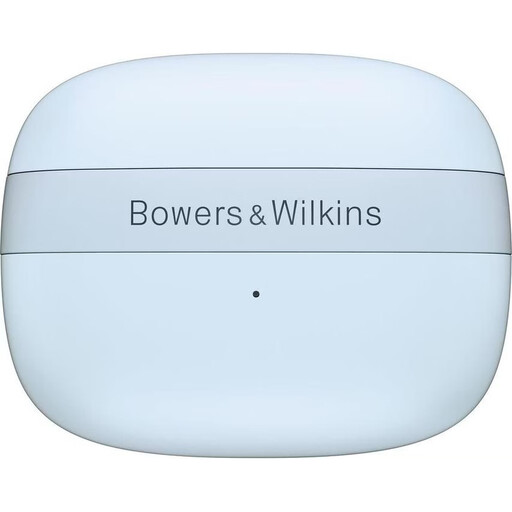
Listen wirelessly with active noise cancellation. The product description also mentions a closed-back design and four interchangeable ear tips.
Bluetooth 5.4 with Multipoint and up to 8 hours of battery life are listed. The headphones need to be charged for wireless use; these specifications don’t guarantee a particular level of noise reduction on a train.
 No image available
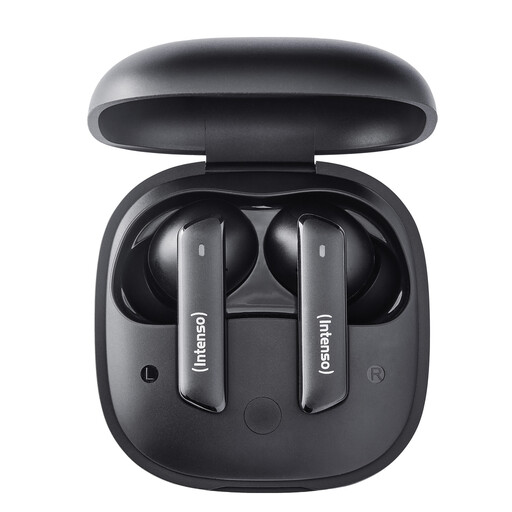
Listen wirelessly on the go with hybrid ANC and transparency mode, both described as selectable modes.
The headphones need to be charged for wireless playback. Transparency mode doesn’t guarantee that you’ll hear announcements in every situation.
 No image available
Listen wirelessly with active noise cancellation and a switchable ambient mode.
The product description mentions a two-way speaker system and an adjustable equaliser. The headphones need to be charged for wireless use, and ambient mode doesn’t guarantee that announcements will always be audible.
 No image available
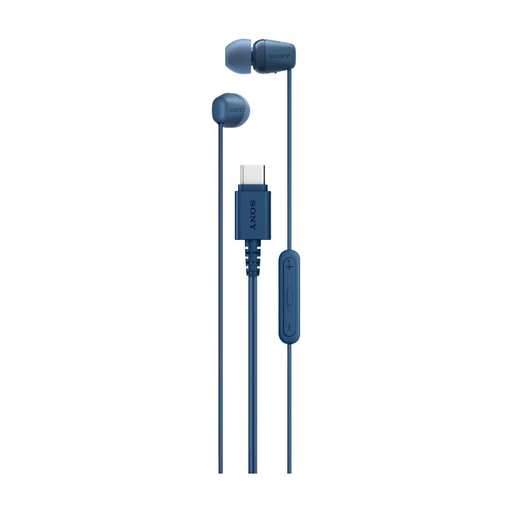
Listen to music on the go over a wired connection, without charging or pairing. Requires a compatible device with a USB-C connection.
A USB-C cable, an in-line remote and several sizes of ear tips are listed.
Deutsche Bahn says that listening to music at a high volume, including through headphones, is unwelcome in ICE quiet zones. Keep the volume low enough not to disturb others. This guidance applies to quiet zones and isn’t a general statement about all trains.
Try the ear tips supplied for your model to find a secure, comfortable fit, and follow the care instructions in the manual. Shure lists silicone and foam ear tips, as well as a cleaning tool, in the SE215 package contents.
No. The World Health Organization gives 80 dB for up to 40 hours per week as a guideline for safe listening. An advertised attenuation figure measures neither your actual listening level nor how long you personally listen for.
For an online purchase from a trader, you generally have 14 days from delivery to withdraw from the contract; check whether any exceptions apply to your circumstances. Under certain conditions, § 312g BGB lists unsealed goods that aren’t suitable for return for reasons of health protection or hygiene. This doesn’t mean that every opened pair of in-ear headphones is automatically excluded from the right to withdraw. Your Europe explains EU consumer rights. Your rights if goods are faulty also apply and are separate from any voluntary manufacturer’s guarantee.