What should you look for when buying?
First decide whether fine printing details need to be legible in your footage. Then check colour reproduction in your window light, the camera position and the framing you need.
| What matters |
What to check before buying |
Who is it important to? |
| Fine details |
Check the maximum magnification, focusing distance and video framing you can achieve with the specific camera and lens combination. |
If I want to show perforations or small lettering, the subject needs to appear clearly enough from my planned camera height. Around 36 % of consumers say detailed images are their top priority. |
| Colours by the window |
Check the white balance settings and assess a test shot in the light you plan to use. |
If I want to show stamp colours as accurately as possible, I check them in the light at my filming spot. Around 29 % of consumers say controllable colours matter most to them. |
| Overhead setup |
Check the screen, mount, space for your hands and album, and focus from your planned camera height. |
If I want to film stamps and hand movements from above, I need a setup that’s easy to see and use. Around 21 % of consumers put a straightforward filming setup first. |
| Changing the framing |
Know the difference between optical and digital zoom, and test both an overview and a close-up as video. |
If I want to switch between an album page and an individual stamp, the framing needs to work from my fixed position. Around 14 % of consumers say flexible framing is their main concern. |
Joybuy products
The Joybuy products below are video and compact cameras suited to different filming setups. For stamp details, check whether the focus and framing work from your planned camera position.
 No image available
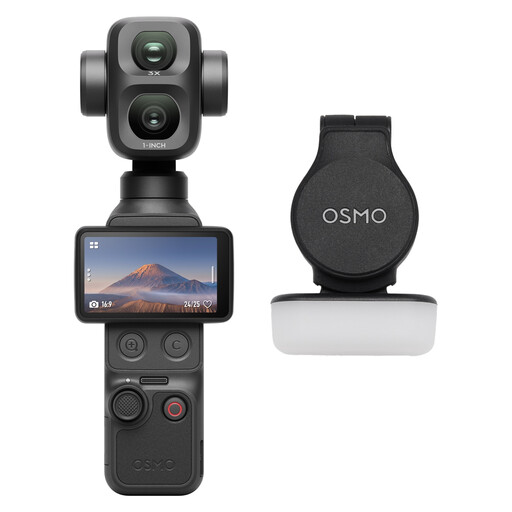
Osmo Pocket 4P Standard Combo, Black
The product information describes a compact all-in-one camera for video recording. Check how a stamp is framed from your actual camera position.
A 20 mm wide-angle lens and 4K video are listed.
View at Joybuy
 No image available
Komery W6, 12x optical zoom, 4K
Optical zoom may be useful when you want to change the framing from one position, but it doesn’t show how large fine stamp details will appear from close range.
The product name lists 12x optical zoom and 4K video.
View at Joybuy
 No image available
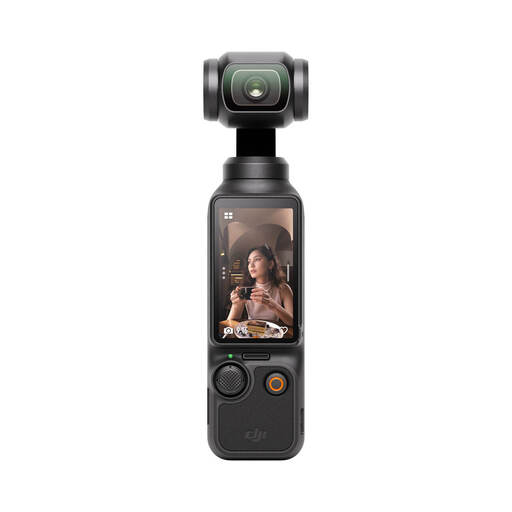
DJI Osmo Pocket 3, 4K/120fps, 3-axis stabilisation
Mechanical 3-axis stabilisation is useful for filming while moving, but it doesn’t replace checking how large the details appear in the frame.
DJI lists a focus range starting at 0.2 m; zoom during 4K video is digital and does not establish macro magnification.
View at Joybuy
 No image available
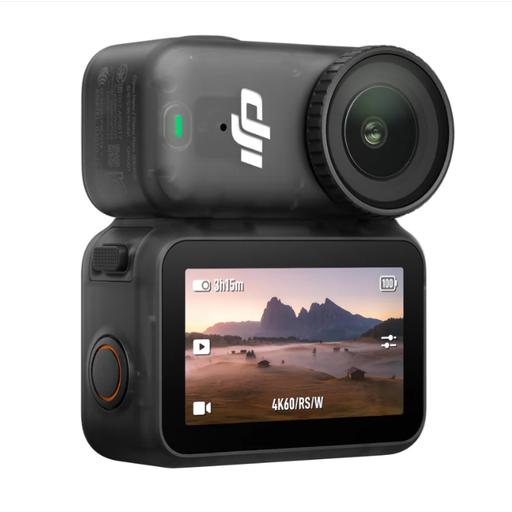
DJI Osmo Nano Standard Combo, 64GB, 4K/60fps
The product name describes a small vlogging camera. Before buying, check whether the framing works for stamps and fine printing details in your setup.
4K/60fps and a 143° field of view are listed.
View at Joybuy
 No image available
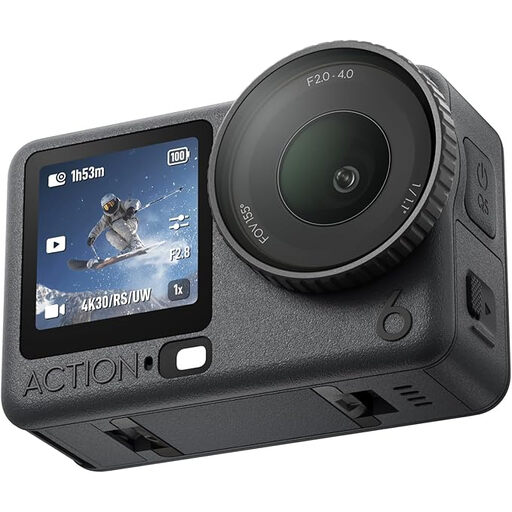
Osmo Action 6 Standard Combo
As an action camera, it’s an option for video. Check the actual focus and framing to see whether it’s suitable for stamp close-ups.
The product information lists 4K recording and a variable f/2.0–f/4.0 aperture.
View at Joybuy
Frequently asked questions
How can I check before buying whether small lettering will appear large enough in video?
Place a typical stamp where you plan to film and assess the video framing from the camera height you’ll actually be able to use. For the lens, compare the maximum magnification and focusing distance. An optical zoom ratio or digital video zoom does not automatically mean the camera is suitable for macro work.
What should I adjust first when filming by a window?
Check a neutral surface to see whether white and stamp colours look realistic in the available light. Automatic white balance can be a good starting point; if the colours don’t look right, a manual setting may help. Review your test shot again if the daylight changes.
What accessories should I allow for before buying?
Check whether the specific kit includes a macro lens, a suitable mount, a memory card and a power supply. The documented Canon EOS R50 zoom kit does not include the separately described RF macro lens; Nikon does not list a charger as included with the Z 30/16–50 mm kit.
What can I do in Germany if the camera I bought is faulty?
If you bought the camera as a consumer, you can contact the seller about a fault. Your statutory consumer rights are separate from any voluntary manufacturer’s warranty. The Verbraucherzentrale generally describes a two-year statutory warranty period for faults that the retailer is responsible for under the law. The rights that apply in a particular case depend on the purchase and the fault.
Can I use stamp close-ups publicly without checking anything else?
Owning a stamp does not automatically mean you can use every image of it publicly. The German Patent and Trade Mark Office explains that copyright protection for a design must be assessed case by case, and the right to publish is part of copyright. If an image features recognisable protected material, check the rights and intended use before publishing it.


