
Lieferung heute & morgen

Qualitätsgarantie

Willkommens-Angebote freischalten: KOSTENLOSE Lieferung | Bis zu 80 % RABATT | Kostenlose 30-Tage-JoyPlus-Testphase
App herunterladen
For many, the aroma of freshly brewed filter coffee is an essential part of daily life. Buying a new filter coffee machine might seem straightforward, but the market is flooded with models whose flaws often only become apparent after a few weeks. As your Joybuy Product Recommendation Officer, I'm here to help you separate the wheat from the chaff and find a machine that will reliably deliver great coffee for the long haul.
Marketing promises often sound tempting, but certain design features can significantly compromise your coffee enjoyment. Watch out for these three typical pitfalls:
To make an informed decision, you should evaluate three core technical aspects. These are the primary determinants of your coffee's quality and the appliance's durability.
The choice of carafe has a direct impact on the taste and temperature of your coffee.
For optimal flavour extraction, a constant water temperature between 92°C and 96°C is crucial. If the water is too hot, it extracts bitter compounds; if it's too cold, the coffee tastes weak and sour. High-quality machines feature powerful heating elements (often around 1000 watts or more) that reach this temperature quickly and maintain it throughout the entire brewing process. The ideal brew time should be between four and six minutes for a full pot.
Modern appliances offer convenience features that can provide real added value in daily use.
Here are three models tailored to different needs that cleverly sidestep the common pitfalls mentioned.
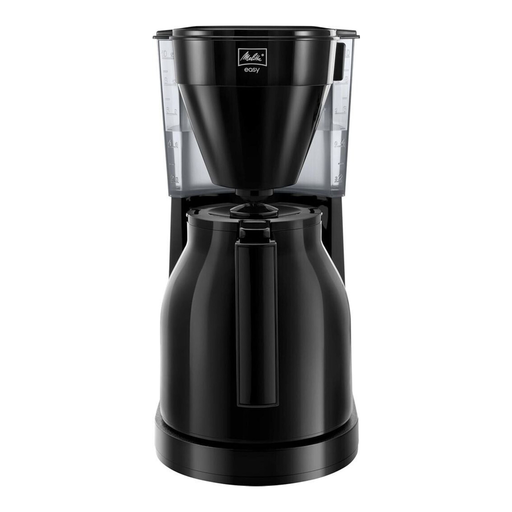
Why it's a great fit: Ideal for anyone looking for a simple, reliable machine without unnecessary frills. It focuses on the essentials: brewing coffee quickly and easily. Perfect for the morning coffee that's enjoyed right away.
This model intentionally omits an integrated grinder and doesn't make false promises of premium features. The automatic shut-off prevents the coffee from endlessly "stewing" and turning bitter on the hot plate.
Compact design, simple operation, and a removable swing filter for easy cleaning. The drip-stop feature allows you to pour a cup even while it's still brewing.
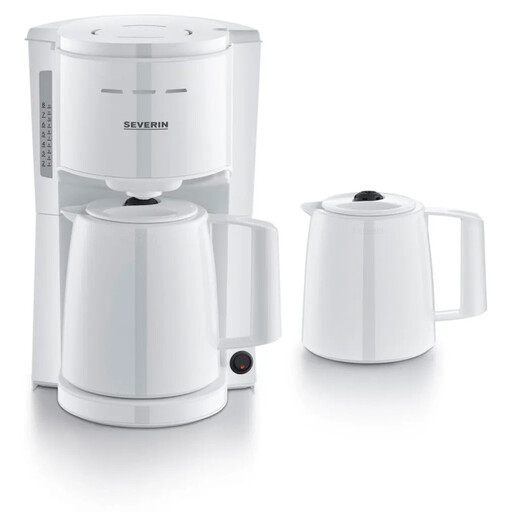
Why it's a great fit: If you drink a lot of coffee or entertain guests, you need a machine that can brew large quantities and keep it warm for a long time. The two thermal carafes are perfect for this, allowing you to brew a second pot while the first is being served.
This model decisively solves the "hot plate trap" by using two thermal carafes. The coffee stays hot for hours without losing its aroma or becoming bitter.
Two thermal carafes for long-lasting hot coffee. A powerful 1000-watt heating element ensures a hot and aromatic brew. Convenient brew-through lid for easy handling.
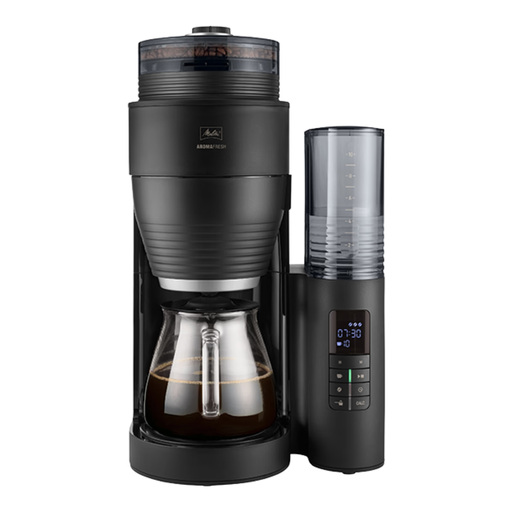
Why it's a great fit: For discerning coffee drinkers who appreciate the convenience of an all-in-one solution without compromising on grind quality. The combination of a timer and fresh grinding offers the ultimate in flavour and convenience.
This model bypasses the "grinder trap" with an integrated, high-quality ceramic grinder featuring eleven adjustable grind settings. This allows for precise and uniform grinding of the beans for optimal flavour extraction.
Integrated ceramic grinder, adjustable coffee strength (five levels), and a timer function. The machine offers full control over the brewing process, from bean to cup.
We have compiled a complete, up-to-date list of products that fully meet these strict selection criteria and German safety regulations.
1. How often should you descale a filter coffee machine? The frequency depends on the water hardness in your area and how often you use it. As a rule of thumb: with daily use and medium-hard water, the machine should be descaled every two to three months. Many modern appliances have a descaling indicator to remind you.
2. What grind size should be used for filter coffee? A medium grind is ideal for filter coffee. The coffee grounds should have a consistency similar to table salt or coarse sand. If the grind is too fine, water will pass through too slowly, leading to over-extraction and a bitter taste. If it's too coarse, the water will flow through too quickly, and the coffee will taste weak.
3. What is the main difference in taste between coffee from a thermal carafe and a glass carafe? The main difference comes from how the coffee is kept warm. In a thermal carafe, the coffee is kept hot through insulation. Its flavour profile remains largely stable for hours. With a glass carafe on a hot plate, heat is continuously applied to the coffee. This causes its chemical composition to change, aromas to dissipate, and bitter compounds to become more prominent. After a while, the coffee tastes "burnt" or stale.