
Lieferung heute & morgen

Qualitätsgarantie

Willkommens-Angebote freischalten: KOSTENLOSE Lieferung | Bis zu 80 % RABATT | Kostenlose 30-Tage-JoyPlus-Testphase
App herunterladen
Whether you’re taking notes, bullet journalling, creating technical sketches or working on a creative project, fineliners and fibre-tip pens vary considerably in line width, ink, nib and feel. If you choose based only on colour or pack size, you could overlook important details. A nib that’s too broad can make small notes hard to read, while a delicate fine fibre tip can quickly give way under heavy pressure.
This buying guide explains which features to consider before you buy and which models suit different needs.
The colour name tells you little about whether a pen is suitable for fine notes or colouring larger areas. A 0.3 mm fineliner, for example, is ideal for small handwriting, tables, outlines and fine hatching. A Noris fineliner with a line width of around 0.6 mm produces a slightly bolder line, making it a good choice for headings, clear notes and underlining.
A 1 mm fibre-tip pen is less suited to detailed technical drawings and more useful when you want a clear, even line. This width is more practical for solid areas of colour and larger lettering.
According to STAEDTLER product information, water-soluble ink can be washed out of most textiles. However, that doesn’t mean every stain will disappear completely from every material. Traces of colour may remain on delicate fabrics, wood or unsealed surfaces.
Water-based ink is still a useful feature for children, in the classroom or at work. Treat stains as soon as possible with water and a suitable detergent.
Various STAEDTLER models are listed as having DRY SAFE technology, tested in accordance with ISO 554. According to STAEDTLER product information, certain pens can be left uncapped for several days without drying out. This helps reduce the risk during short breaks.
Even so, you should replace the cap fully after use. Dust, direct sunlight and long periods of storage without the cap can affect the pen’s lifespan. DRY SAFE is an added feature, not a reason to leave the pen uncapped permanently.
The nib determines how precisely you can apply colour:
A metal-clad fine fibre tip can help stabilise the delicate nib when used correctly. You should still avoid pressing too hard, as fineliners are designed to glide smoothly rather than withstand heavy pressure.
An ergonomic triangular barrel can make it easier to position your fingers and maintain a comfortable grip. STAEDTLER triplus models have a triangular barrel and are designed for relaxed writing and colouring, according to the product description.
For long study or drawing sessions, weight, surface texture and balance also matter. If you write very small, a slim fineliner is likely to suit you better. For colouring and larger lettering, a fibre-tip pen with a robust 1 mm nib will often feel more comfortable in your hand.
Water-based ink is versatile for paper crafts, school and office use. Illustrations that you plan to work over with water or archive for a long time have different requirements. According to the product information, the Faber-Castell Pitt Artist Pen in the selection below uses pigmented, waterproof drawing ink.
The barrel material may also be a factor in your choice. Several STAEDTLER models are listed as being made from recycled plastic or recycled polypropylene. According to the product information, the Noris writing.pen barrel is made from 97% recycled plastic in accordance with ISO 14021. This figure applies to the stated material content and does not mean that the entire product is fully recyclable.
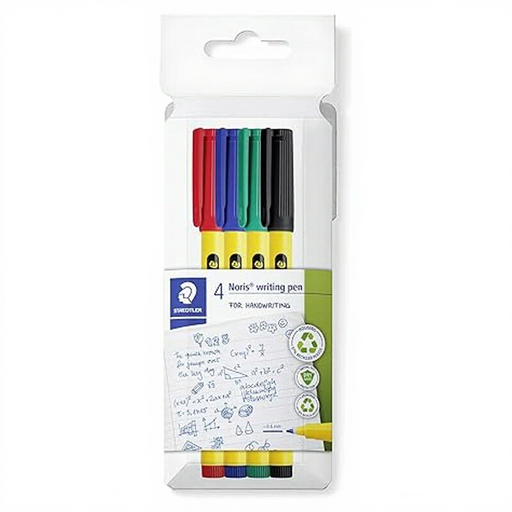
Why this product suits you: The set contains black, blue, green and red pens, covering everyday school, office and correction tasks. The stated line width of around 0.6 mm is easy to read without being too broad for everyday notes.
The pressure-resistant fibre tip is designed for regular use. According to the product information, the water-based ink can be washed out of most textiles, making it practical for school and home.
A line width of around 0.6 mm, 97% recycled plastic according to the product information, and four essential colours in a cardboard pack.
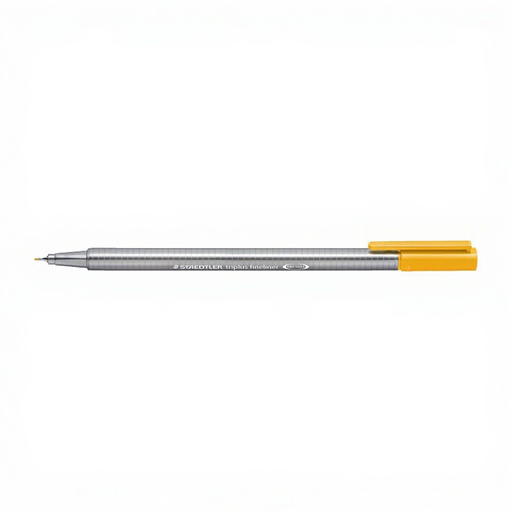
Why this product suits you: The fine line is ideal for bullet journalling, colour-coding and small details. The triangular barrel helps you maintain a controlled grip during longer writing or drawing sessions.
The metal-reinforced fine fibre tip is designed to create consistent, narrow lines. DRY SAFE and water-based ink help address common issues caused by short breaks in use and accidental stains.
A line width of around 0.3 mm, an ergonomic triangular barrel and DRY SAFE, according to STAEDTLER product information.
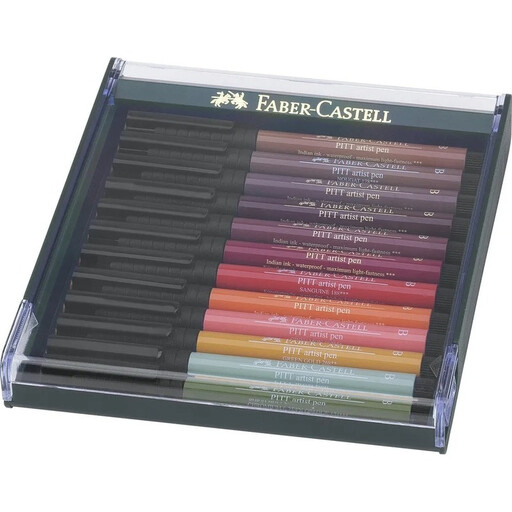
Why this product suits you: This set is aimed at illustrators, hand-lettering fans and anyone looking to create varied lines with a flexible brush tip. The earthy tones are ideal for sketches, lettering and journalling.
The flexible, shape-retaining brush tip isn’t a substitute for a 0.3 mm precision nib, but it offers variable line widths for expressive work. According to the product information, the ink is waterproof and permanent.
12 earthy tones, a brush tip, pigmented drawing ink and, according to the product information, waterproof and lightfast properties.
We’ve put together a complete, regularly updated list of products that meet these strict selection criteria and the safety regulations in force across the EU.
A few simple habits can help keep your fineliners and fibre-tip pens in good working order:
According to the stated safety information, pens with small parts that could be swallowed, such as caps, are not suitable for children under three. Younger children should use them under supervision.
0.3 mm is suitable for small, precise handwriting. A line width of around 0.6 mm is easier to see and works well for everyday notes, underlining and headings. Fibre-tip pens with a line width of around 1 mm are a good choice for larger lettering and areas to colour in.
Water-based, washable ink can make pens easier to use at home and at school. However, according to the product information, it cannot be completely removed from every material. Caps also pose a choking risk. Always follow the relevant age guidance.
Their lifespan depends on how often you use them, how much pressure you apply, the paper and how they’re stored. A pressure-resistant nib, replacing the cap properly and storing pens in a dry place can help them last longer. It isn’t possible to give a general estimate without knowing how each pen will be used.