
Lieferung heute & morgen

Qualitätsgarantie

Willkommens-Angebote freischalten: KOSTENLOSE Lieferung | Bis zu 80 % RABATT | Kostenlose 30-Tage-JoyPlus-Testphase
App herunterladen
A toy fire truck is at the top of many wish lists. However, the selection is vast, and the differences between models are often greater than they first appear. Anyone looking for a suitable and durable toy fire truck quickly faces a challenge. An uninformed decision often leads to disappointment—whether from plastic that breaks easily or features that stop working after a short time.
This guide will help you navigate the typical pitfalls of buying one. We focus on the objective criteria that truly matter, so you can find a model that matches your child's age and interests and offers long-lasting play value.
The 3 Most Common Pitfalls When Buying a Toy Fire Truck:
To avoid a bad buy, you should focus on a few fundamental parameters. These will help you objectively assess a model's quality and play value.
The material is a crucial indicator of durability and safety.
Features expand the play possibilities but should match the overall product's durability.
The long-term play value of a fire truck increases if it can be integrated into existing play worlds. A single vehicle can be the start of an entire collection, expanding into a complete toy fire station. Brands like LEGO, Playmobil, or even Haba (with its Kullerbü system) offer well-designed and expandable concepts here.
Instead of making a blanket recommendation, we've selected models that suit different needs and age groups.
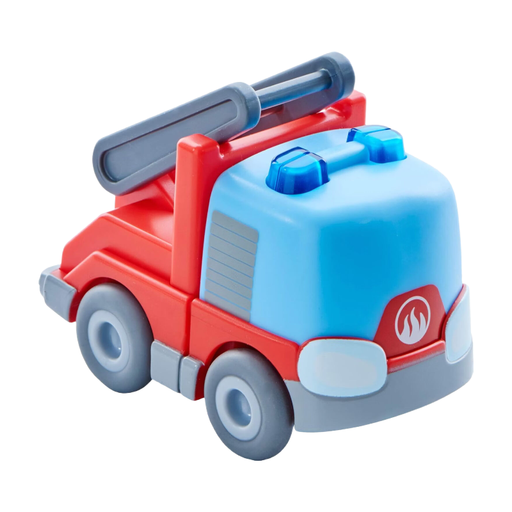
Why this model is a great fit: Specifically designed for small hands, it promotes motor skills and is durable enough for daily use. It's part of Haba's expandable Kullerbü play system.
This model intentionally avoids delicate, swallowable small parts and fragile electronics. Its robust wood and plastic construction is designed to meet the needs of toddlers.
Promotes motor skills and integrates into the durable and expandable Kullerbü system, ensuring long-term play value.
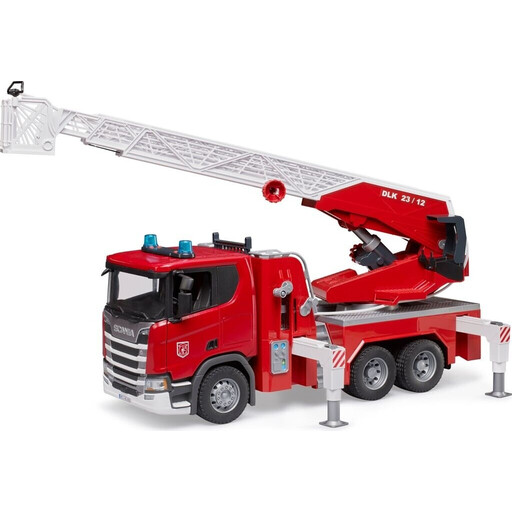
Why this model is a great fit: For children who appreciate detailed and functional models. The 1:16 scale, working water sprayer, and extendable turntable ladder allow for highly realistic play scenarios.
Features like the water pump are mechanical and robustly designed, not electronic. The ABS plastic used is known for its durability and can withstand even intense play.
High level of realism thanks to fully functional, mechanical components like a fillable water sprayer and a ladder that extends via a hand crank.
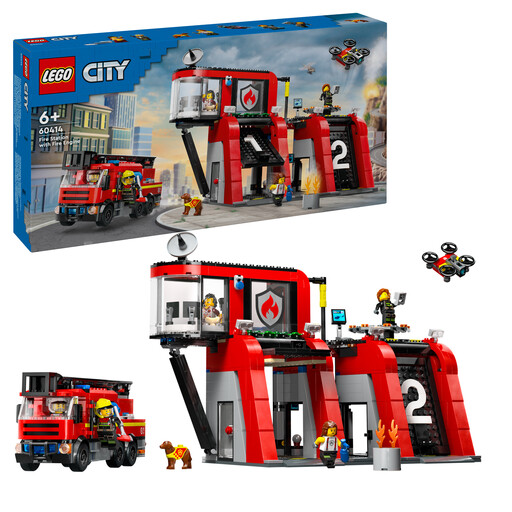
Why this model is a great fit: This set combines the construction of a detailed fire station with a fire truck. It's ideal for children who love to build and then dive into imaginative role-playing.
As part of the LEGO City universe, this set is highly compatible and expandable. It's not an isolated toy but a building block for a limitless play world, thus avoiding the incompatibility trap.
Promotes creativity, fine motor skills, and problem-solving abilities. Its high compatibility within the LEGO world ensures play value for years to come.
We've compiled a complete, up-to-date list of products that fully meet these strict selection criteria and all relevant safety standards.
1. How do you clean a toy fire truck with electronics or a water spray function? For models with electronics or stickers, you should only wipe the surface with a slightly damp cloth. Never fully submerge the vehicle in water. For the water spray function, it's best to empty the tank after play and rinse it with clean water to prevent build-up. Always remove the batteries before cleaning.
2. What batteries are needed for fire trucks with lights and sound? The required battery types vary by manufacturer and model. Standard batteries like AA or AAA are commonly used. Some models also use button cell batteries (e.g., LR44). You will always find the exact specifications in the product description or on the packaging. It's advisable to use new batteries for regular use, as the ones included are often intended for demonstration purposes only.
3. Is a more expensive brand-name fire truck worth the investment? A higher price for brands like Bruder, LEGO, or Playmobil is often justified by several factors: higher-quality, more durable materials (e.g., robust ABS plastic), well-designed and stable mechanical functions, adherence to strict safety standards, and compatibility within a larger play system. These aspects contribute to a safer and often more lasting play experience, which can justify the higher initial investment.