
Lieferung heute & morgen

Qualitätsgarantie

Willkommens-Angebote freischalten: KOSTENLOSE Lieferung | Bis zu 80 % RABATT | Kostenlose 30-Tage-JoyPlus-Testphase
App herunterladen
Fine lines, dry skin, loss of firmness or a dull complexion lead many people to look for firming anti-ageing skincare. But a high price, terms such as “lifting” or a long list of active ingredients don’t guarantee the right choice. What matters is your skin’s needs, how the product is used, how well it is tolerated and whether its labelling is clear.
A cream can moisturise the skin, making it look temporarily smoother or plumper. That is not the same as a lasting change to the skin’s structure. When choosing an anti-wrinkle face cream, give clear details about texture, ingredients, skin type and how to use it more weight than sweeping marketing claims.
Retinol, retinal, peptides, acids and vitamin C derivatives can support different skincare goals. However, introducing several intensive products at the same time increases the risk of dryness, redness or stinging. An anti-ageing cream with retinol should be added to your routine gradually.
A firming face cream is usually formulated to be lighter and suited to use on the face. A firming body cream, on the other hand, may be richer and designed to cover larger areas of skin. Use products only on the areas they’re intended for. Take extra care around the eyes, as this area may be more sensitive.
For an informed choice, it’s worth checking the INCI list:
“Collagen” in a cream or serum doesn’t automatically mean it will lead to lasting production of the body’s own collagen. When choosing collagen skincare, check whether the ingredient is mainly used as a humectant or to contribute to the product’s texture.
With retinoids, it’s not just the concentration that matters, but also how often you use them. For example, the celimax set lists 0.1 % retinal in the booster and also includes a retinol serum with a peptide complex. If you’re new to retinoids, follow the gradual build-up recommended in the product description: start by using it every other evening, apply a small amount and follow with a moisturiser.
The next morning, include a sunscreen with suitable broad-spectrum protection in your routine. If you’re pregnant or breastfeeding, or have an existing skin condition, seek medical advice before using retinol or retinal. Cosmetic products are not a substitute for dermatological treatment.
Before buying, check the size, type of closure, expiry information and the product’s period-after-opening guidance. Jars make products easy to scoop out, but can expose them to air and fingers more often. Pump bottles or tubes may be more practical for some formulations.
A patch test on a small area of skin can help you assess how well you tolerate a product. Stop using it if redness, swelling, itching or stinging persists. Always refer to the ingredients list on the current packaging, as formulations can change.
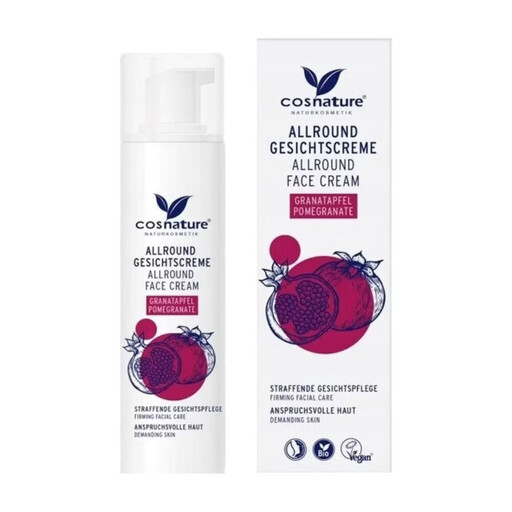
Why this product suits this profile: The cream is described as suitable for dry and mature skin and can be used on the face, neck and décolletage in the morning and evening.
The product description lists specific ingredients such as glycerin, hyaluronic acid, squalane and shea butter, rather than relying on a vague claim about firming.
50 ml size, vegan and NATRUE-certified product details, and a light, fast-absorbing texture according to the manufacturer’s description.
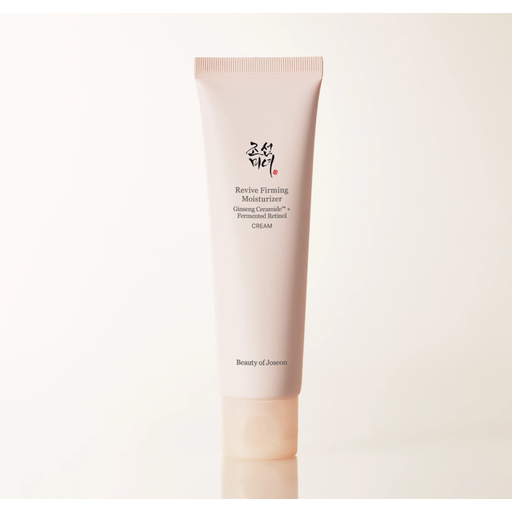
Why this product suits this profile: The combination of fermented retinol, ginseng and Ceramide is designed for people who prefer a streamlined K-beauty anti-ageing routine.
The product description highlights a lightweight gel-cream, a non-comedogenic formula and support for the skin’s moisture barrier.
According to a Beauty of Joseon clinical study involving 22 people aged 41 to 68, various changes were measured after four weeks. The study results are brand-specific claims and may not apply to everyone.
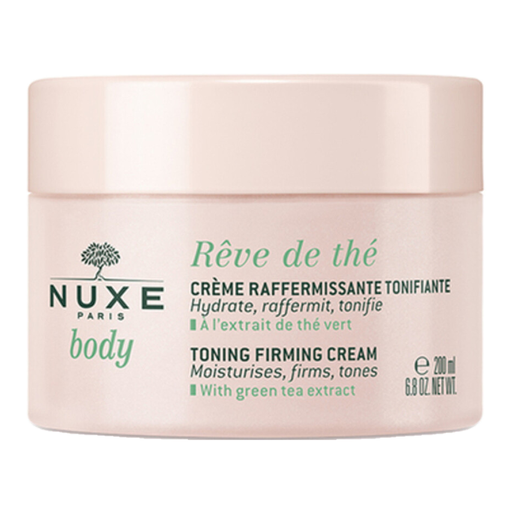
Why this product suits this profile: This 200 ml body moisturiser is designed for daily use all over the body, making it a good fit for people who prefer to care for their face and body separately.
Its intended use is clearly stated as body care, so it won’t be mistakenly used as an anti-wrinkle face cream.
200 ml size, with glycerin, sunflower oil, hazelnut oil and Centella asiatica extract listed in the product details.
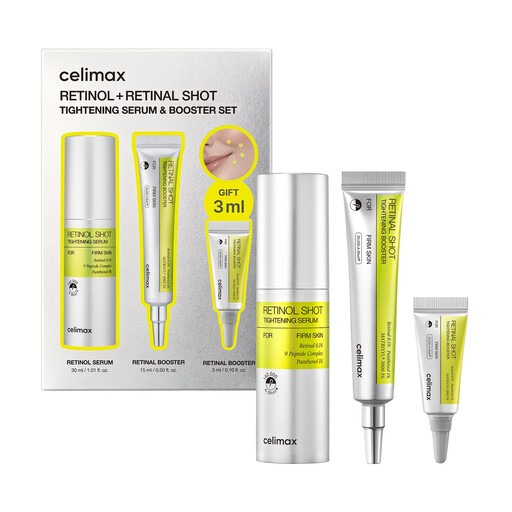
Why this product suits this profile: The set combines a retinol serum, a retinal booster and a mini product. It’s designed for users who want to build a targeted vitamin A skincare routine.
The product details specify 0.1 % retinal, gradual use, a patch test and daily sun protection, making key usage guidance easy to check.
Three formats in one set, 0.1 % retinal in the booster and an additional peptide complex in the retinol serum, according to the product description.
A simple routine can consist of three steps:
You can use a face product on your neck and décolletage if it’s suitable for these areas and the manufacturer says so. Body cream, on the other hand, is for larger areas such as your arms, legs or stomach.
Both are vitamin A derivatives, but they differ in formulation and use. A retinal serum is often positioned as a targeted evening treatment, while a retinol serum should also be introduced gradually. If you’re new to these ingredients, using them less often at first, patch testing and wearing sunscreen matter more than choosing a product with the most extensive combination of active ingredients.
That depends on the product size, how much you use and how often you apply it. With daily use, 30 to 50 ml will usually run out sooner than a 200 ml body moisturiser. Check the best-before date and the period-after-opening symbol on the packaging.
Skincare can hydrate the skin and make it look smoother or feel softer. For a reliable choice, look for humectants, good tolerance, consistent use and sun protection. Don’t expect a cream to deliver lasting medical or therapeutic effects.