
Lieferung heute & morgen

Qualitätsgarantie

Willkommens-Angebote freischalten: KOSTENLOSE Lieferung | Bis zu 80 % RABATT | Kostenlose 30-Tage-JoyPlus-Testphase
App herunterladen
Firming body care is often associated with smoother, more elastic-looking skin. Body oils, firming body creams and firming body lotions can moisturise the skin and leave it looking more cared for. However, they are no substitute for exercise or medical treatment and cannot reliably eliminate cellulite, stretch marks or sagging skin.
When choosing a suitable product, it is therefore better to focus less on striking marketing claims and more on texture, ingredients, directions for use and skin compatibility.
In cosmetics, the term “firming” usually refers to the skin’s cared-for feel or a temporarily smoother-looking appearance. Moisturising ingredients such as glycerin, nourishing oils or film-forming agents can make the skin appear more supple. However, a cream does not automatically alter subcutaneous fat tissue or body contours.
An anti-cellulite cream should therefore also be viewed realistically: it can form part of a regular body-care and massage routine, but it does not promise the guaranteed removal of cellulite.
“Natural”, “vegan” and “plant-based” are not synonyms for allergen-free. Essential oils and fragrance allergens that require declaration, such as limonene, linalool, geraniol or citral, may also be present in natural formulations. If you have sensitive skin, it is advisable to check the complete INCI list.
A small patch test is recommended before applying the product over a larger area. Discontinue use if redness, burning or itching occurs.
Products marketed as detoxifying body care are often promoted for heavy legs or a firmer-looking appearance. Cosmetic lotions can provide a cooling or pleasantly nourishing sensation. Persistent swelling, pain or changes affecting only one side of the body should, however, be assessed by a medical professional.
For dry skin, ingredients such as glycerin, sunflower oil, almond oil, jojoba oil, squalane or panthenol may be beneficial. If you are looking for body care that supports the skin’s elasticity, nourishing oils and humectants can help keep the skin supple.
Products targeting the appearance of cellulite may contain caffeine, carnitine, horse chestnut or ivy extract. These ingredients are not proof of a guaranteed reduction in cellulite. The complete formulation, skin compatibility and consistent use are what matter most.
Many products are massaged in after showering using circular or upward strokes. This supports even distribution and turns application into a consistent part of your care routine. During pregnancy or breastfeeding, as well as in cases of known allergies or sensitive skin, pay particular attention to the manufacturer’s instructions.
One example is stretch-mark care: a body oil can nourish the skin during periods of growth or pregnancy. This does not, however, guarantee that stretch marks can be prevented or completely reduced. Products containing caffeine may carry explicit restrictions for pregnant or breastfeeding women.
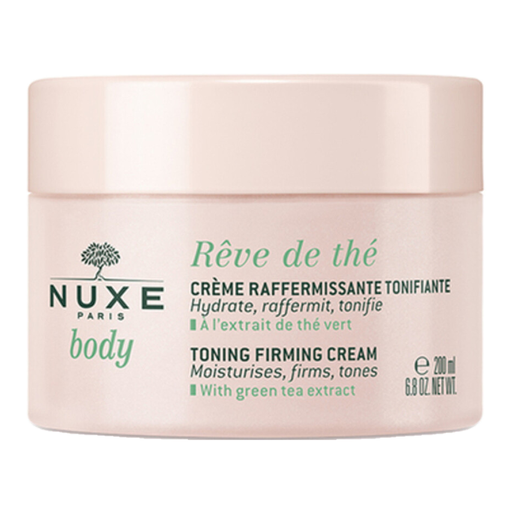
Why it’s a good fit: The 200 ml cream is suitable for daily full-body care and is applied using circular or upward strokes.
The product description clearly details its application and ingredients without promising a medical effect.
200 ml of product, moisturising care with glycerin, plus botanical extracts such as green tea and Centella asiatica.
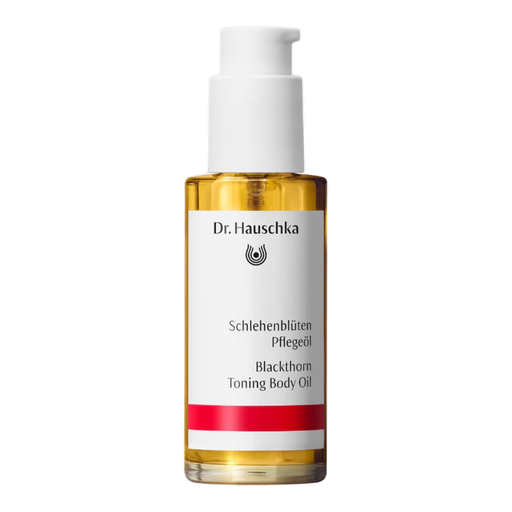
Why it’s a good fit: A body oil for dry skin and for those who prefer a plant-based care routine.
According to the product information, the formula is free from mineral oils, silicones and parabens. Fragrance allergens are nevertheless listed and should be checked.
Botanical oils and extracts, a vegan formulation, and NATRUE and/or BDIH certification according to the product description.
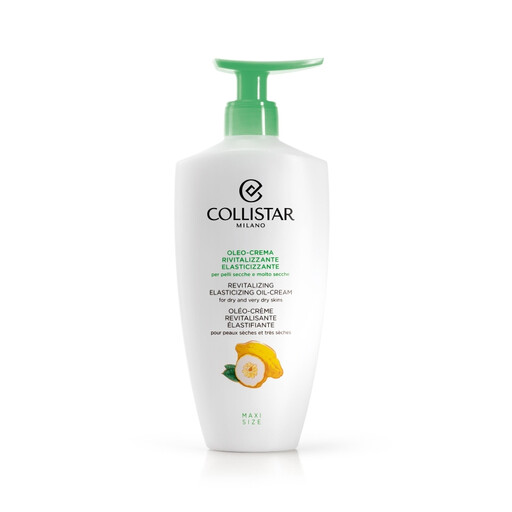
Why it’s a good fit: The cream-and-oil combination is designed for those who prefer richer body care that remains easy to spread.
The ingredient list shows that, alongside oils, the formula also contains humectants, panthenol and allantoin.
400 ml of product, almond, sunflower and coconut oils, plus a creamy oil texture for daily use.
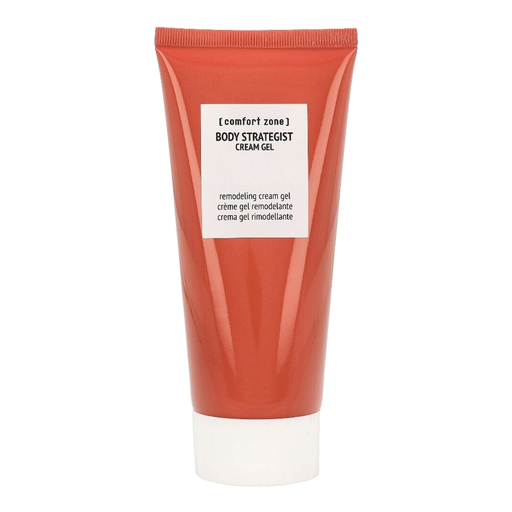
Why it’s a good fit: The lightweight cream-gel texture is intended for the thighs, hips, buttocks and abdomen when fast-absorbing care is preferred.
The directions clearly limit use to external body care. According to the product information, it is not recommended for pregnant or breastfeeding women because of its caffeine content.
Caffeine, carnitine, ivy and horse chestnut extracts according to the INCI list; intended for daily use in the morning and evening.
We have put together an up-to-date selection of products that can be compared by texture, care goal and the available product information.
For even coverage, apply the product to clean skin according to the instructions on the packaging. Body oils can often be applied to skin that is still slightly damp. Creams and lotions are generally applied to dry skin. A small amount per area is usually sufficient; the exact yield depends on the texture, packaging and individual application.
Check the best-before date or the period after opening indicated on the packaging. Heat, direct sunlight and humidity in the bathroom can affect product quality. Discontinue use if the product’s scent, colour or consistency changes.
No cosmetic cream can guarantee the permanent removal of cellulite. Regular use can moisturise the skin, while massage may temporarily leave it looking smoother. Results depend, among other factors, on skin type, product formula and application.
A body oil can nourish the skin and help keep it supple during pregnancy or periods of growth. However, it does not guarantee the prevention or complete reduction of stretch marks. Products containing caffeine or certain essential oils should only be used if permitted by the manufacturer’s instructions. If you are unsure, consult a medical professional.
This depends on the individual product. Many lotions and creams are designed for daily use, while body oils are generally applied after showering or bathing. Consistent, skin-compatible care is more important than using a large amount of product.