
Lieferung heute & morgen

Qualitätsgarantie

Willkommens-Angebote freischalten: KOSTENLOSE Lieferung | Bis zu 80 % RABATT | Kostenlose 30-Tage-JoyPlus-Testphase
App herunterladen
A firming body cream can complement your daily body-care routine if your skin feels drier, less elastic or uneven. However, it is no substitute for medical treatment or a balanced lifestyle. The key is to distinguish marketing claims from product features you can verify.
Three common pitfalls can lead to disappointing purchases:
If your skin is dry or seems less firm after weight loss, nourishing and moisture-binding ingredients are worth looking for. These include glycerin, shea butter, plant oils, panthenol and hyaluronic acid. They can help your skin feel smoother and support your daily moisturising routine.
If you’re looking for a body cream for cellulite or an anti-cellulite cream, bear in mind that caffeine, carnitine, algae and plant extracts are often used in these formulas. However, their cosmetic function does not automatically prove that cellulite will disappear permanently. The visible texture of your skin can also be affected by connective tissue, genetics, weight fluctuations and skin hydration.
With a body cream for stretch marks, regular use and a pleasant massage are particularly important. Cosmetics cannot reliably remove existing stretch marks, but a moisturising cream can help keep your skin supple.
A firming body lotion is often a good choice for daily use all over the body if it absorbs quickly. Rich creams or cream oils are better suited to dry skin and use after a shower or bath.
These tips can help you build your routine:
A draining body cream may be marketed as a cosmetic product for the legs or areas of the body that feel heavy or tight. It should not be confused with a treatment for oedema or other health conditions. If swelling persists, seek medical advice.
Check the full ingredients list, the period-after-opening symbol and the directions for use. Products containing caffeine, for example, are not always recommended during pregnancy or while breastfeeding. If you are sensitive to fragrance, ingredients such as limonene, linalool, citral or geraniol may be relevant.
‘Dermatologically tested’ means that a product has been tested under certain conditions; it is not a guarantee that it will suit everyone. Natural cosmetics can also contain essential oils and fragrance allergens that must be listed on the packaging. If you are pregnant, breastfeeding, have known allergies or have a skin condition, follow the manufacturer’s specific guidance.
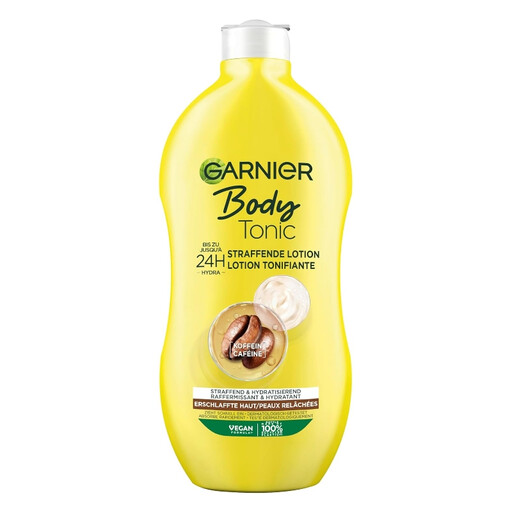
Why this product suits this profile: The 400 ml size and lotion texture make it a practical choice for regular full-body care, with a formula that absorbs quickly.
The product description clearly lists how to use it, which areas of the body it is for and its ingredients. The claim ‘up to 24 hours of moisture’ should be understood as a manufacturer’s claim, not as a promise of lasting skin firming.
400 ml, lotion format, caffeine and Laminaria extract according to the INCI list, plus daily use designed for the body.
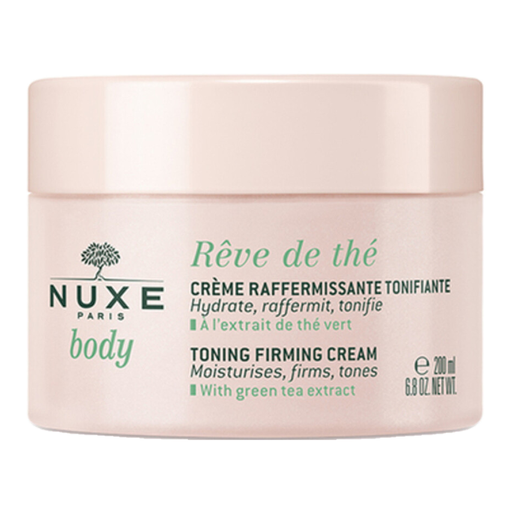
Why this product suits this profile: The cream combines glycerin, sunflower and hazelnut oils, plus Centella and green tea extracts, in a clearly listed formula.
The ingredients are clearly documented. Fragrance and fragrance allergens that must be declared are listed, so you can check them before buying.
200 ml, plant oils, glycerin and application using circular or upward strokes.
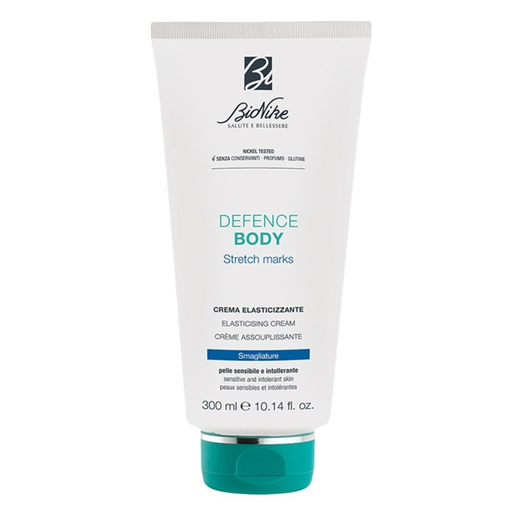
Why this product suits this profile: According to the product description, this formula is for people looking for body care to help with stretch marks and skin that looks more elastic.
The product information clearly states how to use it, includes warnings and declares that it is fragrance-free. This makes it easier to choose if you have sensitive skin.
300 ml, vitamin E, panthenol and almond oil according to the INCI list; the product information also states that it contains no preservatives or fragrance.
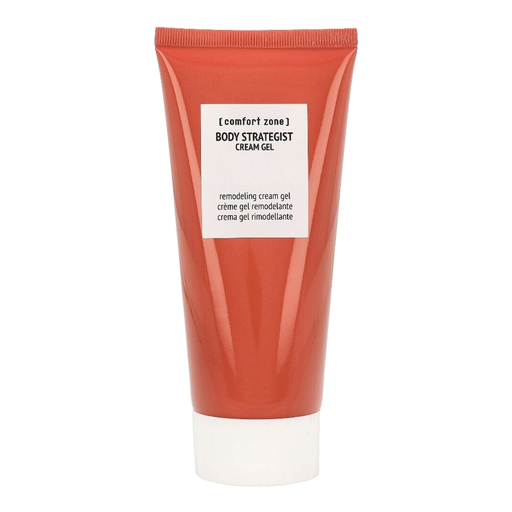
Why this product suits this profile: This lightweight gel-cream is designed for daily use on the thighs, hips, buttocks and stomach, and is applied with massage strokes.
The directions for use and the precaution for pregnant and breastfeeding women are clearly stated. Caffeine and carnitine are listed as ingredients, not presented as medical claims.
200 ml, gel-cream texture, caffeine, carnitine and horse chestnut extract according to the ingredients list.
We’ve put together a complete, regularly updated list of products that meet these strict selection criteria and the safety regulations in force in the EU.
How long a product lasts depends on the area you apply it to, its texture and how often you use it. A 400 ml lotion will usually last longer than a 150 ml cream when used daily over the whole body, while a concentrated cream often requires a smaller amount. The pack price is not the only thing to consider: check the price per 100 ml and the recommended use.
For a consistent routine, apply your body care straight after showering. Massage mainly helps spread the product evenly and can make application more pleasant. It is not proof of a medical effect or lasting skin firming.
A cream or lotion containing moisturising and nourishing ingredients such as glycerin, oils, shea butter or panthenol can be a good choice. If your skin is very dry, a richer body cream for loose skin may feel more comfortable, while a lighter body lotion is often enough for normal skin. Keep your expectations of visible changes realistic.
Most products are designed for daily use. A single application mainly moisturises your skin and can leave it feeling smoother. To assess a product fairly, see how its texture, suitability and feel on your skin measure up over several weeks. Always follow the manufacturer’s directions on how long to use it and how long it lasts after opening.
An anti-cellulite cream can moisturise your skin and temporarily make it look smoother. Cosmetic skincare cannot guarantee that cellulite will disappear completely or permanently. When choosing a product, ingredients, texture, warnings and the cost per application should matter more than bold claims about results.