
Lieferung heute & morgen

Qualitätsgarantie

Willkommens-Angebote freischalten: KOSTENLOSE Lieferung | Bis zu 80 % RABATT | Kostenlose 30-Tage-JoyPlus-Testphase
App herunterladen
Finding the right first bra for your daughter is an important milestone, but it often raises more questions than answers. The market offers an overwhelming variety of options, but not every style is suited for the delicate needs of early development. Many products feature designs conceived for adults, neglecting comfort and healthy growth. This guide will help you identify common purchasing pitfalls and make an informed decision.
The three most common mistakes when buying a first bra are:
To avoid making the wrong choice, focus on objective criteria that ensure comfort and functionality.
The skin of children and teens is particularly sensitive, making the right material choice crucial. A soft kids' bra should be made from fabrics that feel pleasant against the skin and allow air to circulate.
Look for certifications like OEKO-TEX STANDARD 100, which guarantees the textile has been tested for harmful substances.
The initial stage of breast development is not about shaping or lifting, but about gentle support and coverage. A teen bustier is the ideal solution for this.
Don't rely on age recommendations. Instead, take two measurements to find the correct size:
Compare these two measurements with the manufacturer's size chart. Every brand has slightly different sizing definitions. When in doubt, it's often wise to choose the larger size to ensure comfort and freedom of movement.
Based on the criteria above, we've identified a few products suited for different requirements and stages of development.
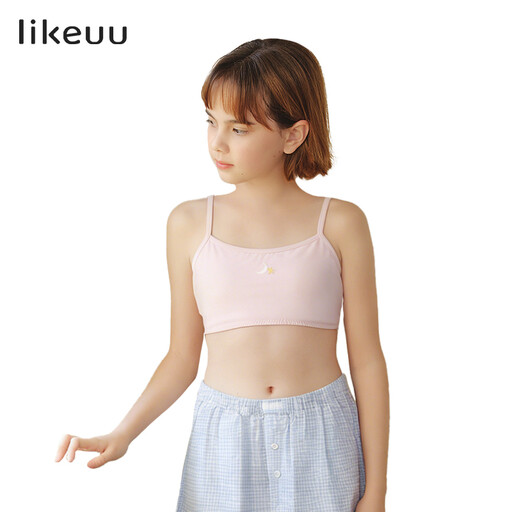
Why This Fits Their Persona: Ideal for girls who need their very first bra. The camisole-style design is discreet and offers gentle coverage without the feel of a traditional bra. Perfect for everyday wear at school and at home.
The blend of 47.6% viscose and 47.6% cotton is extremely soft and breathable, avoiding the scratchy material trap. The wire-free, low-seam construction prevents the over-structured design pitfall.
The high stretch content (4.8% spandex) ensures a flexible fit that adapts to movement and grows with her. The material has a very soft hand-feel for maximum comfort.
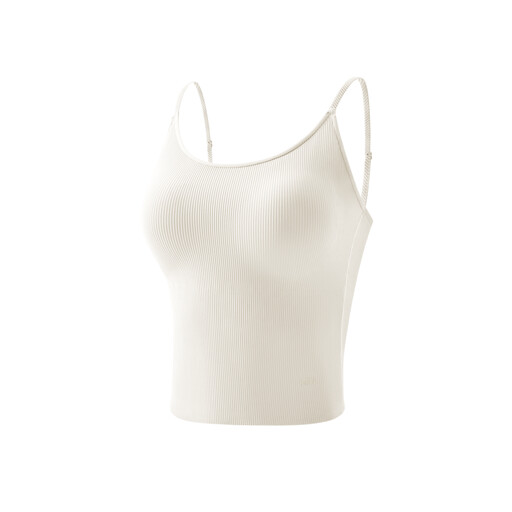
Why This Fits Their Persona: Suited for girls with an active lifestyle or those who need a bit more support, for instance during school sports. The performance fabric and high degree of adjustability offer comfort and support during movement.
With 24-way adjustable shoulder straps, it bypasses the poor-fit trap by allowing for a precise adjustment. The quick-drying performance fabric (nylon/spandex) prevents the uncomfortable, damp feeling caused by unsuitable materials.
The cooling, moisture-wicking fabric with UPF 50+ (according to the manufacturer) is ideal for outdoor activities. The breathable mesh construction promotes air circulation.
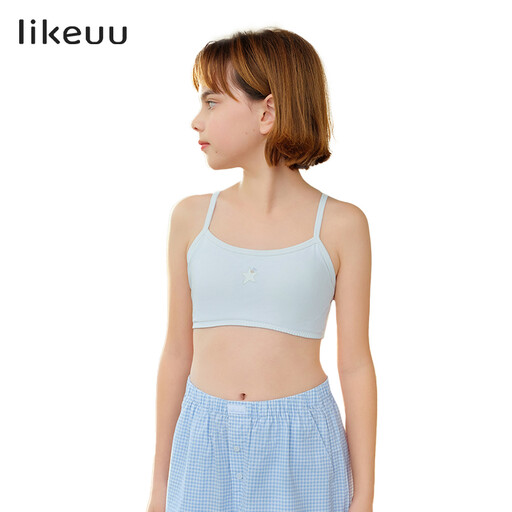
Why This Fits Their Persona: An excellent choice for daily wear that combines comfort with a discreet fit under clothing. The soft material blend is ideal for long school days and relaxed afternoons.
This bustier avoids the uncomfortable design trap with its simple, wire-free camisole shape. The breathable cotton-viscose blend prevents skin irritation from sweat or synthetic fabrics.
The fabric's high elasticity offers freedom of movement without losing its shape. Its simple design is practically invisible under T-shirts and school uniforms.
We've compiled a complete, up-to-date list of products that fully meet these strict selection criteria and all applicable safety standards.
There is no set age. The need arises when breast development begins (thelarche), which typically occurs between the ages of 8 and 13. Signs include the growth of breast buds. A first bra or bustier can be useful if your daughter wants more coverage, if her nipples are visible through clothing, or if her breasts are sensitive during movement.
Look for the following signs: The underbust band rides up her back (too loose), the straps dig into her shoulders (too tight or improperly adjusted), the fabric wrinkles (cups are too big), or the breast tissue spills out at the sides or top (cups are too small). A well-fitting first bra should lie flat without constricting and be barely noticeable throughout the day.
Since bras are worn directly against the skin and absorb sweat, they should be washed regularly. A good rule of thumb is to wash them after every two to three wears. To protect the delicate fibres and elasticity, hand washing or using a gentle machine cycle in a laundry bag is recommended. Avoid the dryer and let the bras air-dry.