
Lieferung heute & morgen

Qualitätsgarantie

Willkommens-Angebote freischalten: KOSTENLOSE Lieferung | Bis zu 80 % RABATT | Kostenlose 30-Tage-JoyPlus-Testphase
App herunterladen
Setting up your first nursery is a special moment. However, the sheer number of options can quickly become overwhelming. Many well-intentioned purchases later turn out to be impractical or short-lived. This guide will help you identify the essential criteria to create a functional, safe, and durable environment for your child.
As a Joybuy Product Recommendation Officer, I filter relevant information for you, so you can make informed decisions that go beyond short-term trends.
Before we turn to the solutions, let's look at two common mistakes that often lead to unnecessary expenses:
To avoid these pitfalls, you should base your purchasing decision on three objective pillars. These will help you assess the true value of a product.
A safe crib is non-negotiable. Pay close attention to compliance with current European safety standards. These define clear requirements for construction, materials, and stability.
The key to a sustainable investment is convertible nursery furniture. These products adapt to your child's developmental stages, significantly extending their lifespan. For example, a cleverly designed bedside sleeper can later be converted into a bench. A crib with removable bars promotes the toddler's independence and can often be converted into a junior bed. Such multifunctional furniture saves not only money but also space.
White wooden baby furniture or pieces in other neutral colours are a popular choice as they blend harmoniously into many interior styles and create a calm atmosphere. But here, too, there are differences:
Based on the criteria mentioned, we have identified some products that are suitable for different requirements and lifestyles.
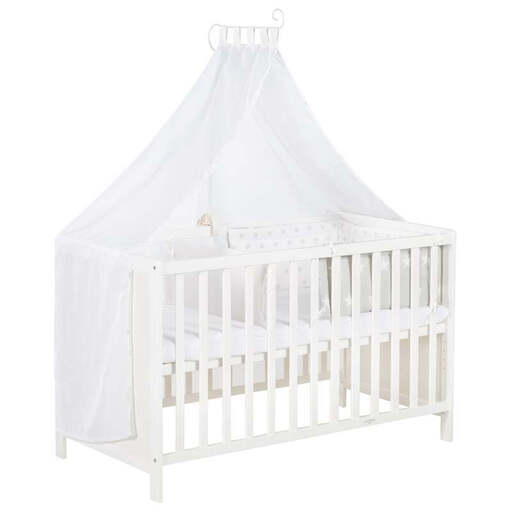
Why This Fits Their Persona: This complete baby crib set is ideal for parents looking for a comprehensive and cost-effective solution. It covers multiple needs with a single purchase, thus avoiding follow-up costs.
It bypasses the short-lifespan trap by being usable as a co-sleeper, a crib, and later as a junior bed. The included mattress and textiles prevent the piecemeal and often expensive purchase of accessories.
3-in-1 functionality and a complete set. It meets the safety standard EN 716-1:2017 + AC:2019 and can be used up to the age of 5 (or 50 kg).
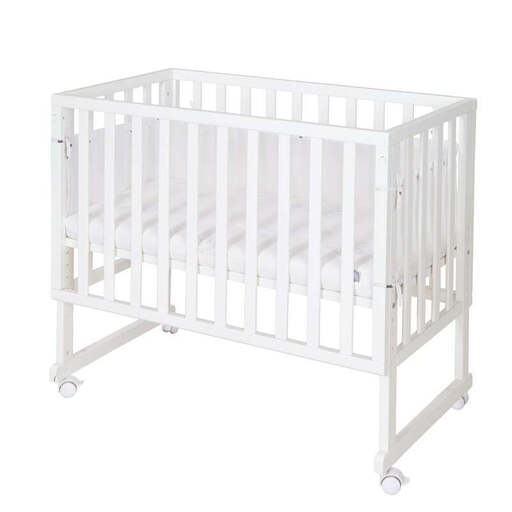
Why This Fits Their Persona: For families in city apartments or those who often visit grandparents, mobility is crucial. This compact bedside sleeper on castors can be easily moved from room to room.
It avoids the purchase of a bulky, immobile bed. The 3-in-1 function (bedside sleeper, bassinet, bench) ensures a long lifespan beyond the first few months and prevents it from ending up unused in the basement.
Compact dimensions (sleeping surface 45 x 90 cm) and mobility thanks to castors. Meets the safety standard EN 1130:2019. The 7-level height adjustment ensures a perfect fit with most parent beds.
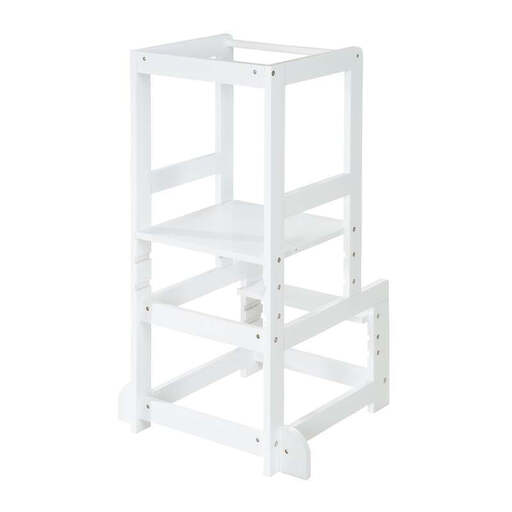
Why This Fits Their Persona: Parents who follow Montessori principles look for furniture that actively involves the child in daily life. A learning tower allows the child to help out in the kitchen at eye level.
Instead of passive toys, you invest in a functional piece of furniture that promotes development. It bypasses the trap of buying impractical gadgets and instead offers real value in everyday family life.
Promotes independence and participation. The construction is stable and can support up to 80 kg. The standing platform and footrest are height-adjustable and grow with the child.
We've compiled a complete, up-to-date list of products that fully meet these strict selection criteria and German safety regulations.
A kids' seating group, consisting of a small table and matching chairs, is generally useful from the age of about 18 months. As soon as your child can sit and walk securely, such a set provides a dedicated area for painting, crafting, or small meals. Models like the roba 'Woody' Kids' Seating Group are tailored to the ergonomics of toddlers and promote a healthy posture.
In summary, the most important points are:
A classic bedside sleeper is designed for the first 6 to 12 months, or until the child begins to sit up or pull themselves up independently. After that, for safety reasons, you must switch to a crib with high sides. Models that can be converted—for example, into a bench or a closed cot—offer a significantly longer lifespan and are therefore a more sustainable investment.