
Lieferung heute & morgen

Qualitätsgarantie

Willkommens-Angebote freischalten: KOSTENLOSE Lieferung | Bis zu 80 % RABATT | Kostenlose 30-Tage-JoyPlus-Testphase
App herunterladen
Fish sauce is a staple in many kitchens, but it is often misunderstood when shopping. A small bottle may be enough for the occasional Pad Thai, while regular users cooking with 300 ml every day may soon need to buy more. The description “fermented fish sauce” alone also reveals little about the flavour, ingredients or intended use.
Three common shopping pitfalls are particularly important:
With an anchovy fish sauce, the ingredients list should show whether anchovies or anchovy extract come first and what percentage is stated. For example, Squid Fish Sauce 725 ml contains 77% anchovies, followed by salt and sugar. King Lobster Fish Sauce lists 63% anchovies, 32% salt and 5% sugar.
A higher fish content is not, in itself, a guarantee of quality. However, it provides a useful point of comparison. This helps shoppers assess whether they are buying a clearly declared fish-based sauce or a more heavily supplemented seasoning sauce.
Fish sauce always carries the allergen warning fish. Individual products may also contain crustaceans, soya or other ingredients. Pantai Shrimp Fish Sauce 700 ml contains 2% prawn extract in addition to anchovy extract and is therefore not suitable for people with the relevant allergy.
A fermented fish sauce may have a more complex flavour, but it is not necessarily the right choice for every dish. ZAB MIKE Fish Sauce for Papaya Salad contains fermented fish sauce, roasted rice, garlic juice, sugar and seasoning. It is specifically designed for Thai papaya salad and the flavour of pla-ra. For a classic Vietnamese dipping sauce, a simpler recipe may be more suitable.
For occasional cooking, 300 ml fish sauce or smaller bottles are easy to plan for. A 300-ml bottle is suitable for trying a brand and takes up little storage space. If you regularly prepare soups, curries, stir-fries, marinades or dips, choosing 700 ml fish sauce or 725 ml can reduce how often you need to shop.
You should also check the storage instructions before buying. Many products should be stored in a cool, dry place while unopened. Some suppliers recommend refrigeration after opening. For example, Squid Fish Sauce 725 ml should be kept in the fridge after opening. ZAB MIKE should be refrigerated after opening and used within seven days. The information on the individual packaging always takes precedence.
A classic Thai fish sauce is ideal for seasoning tom yum, curries, fried rice and stir-fried vegetables. Vietnamese fish sauce is often used for nuoc cham, pho broths, marinades or salad dressings. The difference is not only the country of origin, but also the sweetness, salt content, fish content and additional ingredients.
For beginners, a clear ingredients list containing fish or anchovies, salt and, where applicable, sugar is recommended. Concentrated products should initially be used sparingly. One teaspoon may already be enough for a soup or stir-fry; you can then add more to taste.
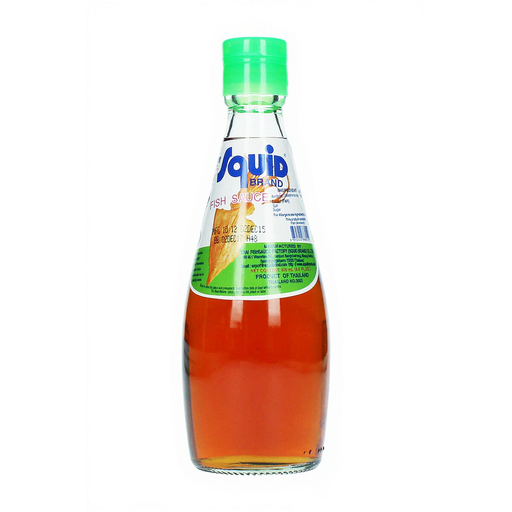
Why this product suits this profile: The handy 300-ml bottle is suitable for home cooks who want to start using fish sauce in marinades, soups or dips.
The ingredients description specifies 77% anchovy extract, making the fish base clear. The smaller size limits the risk of buying a large quantity of an unsuitable sauce.
300 ml contents; anchovy extract as the key ingredient; suitable for marinades, dips, stir-fries and soups.
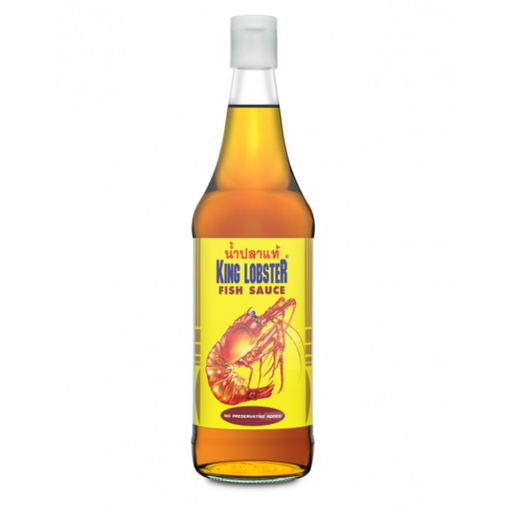
Why this product suits this profile: The recipe, made with 63% anchovies, salt and sugar, appeals to shoppers who prefer a concise ingredients list and a large bottle for the cupboard.
The product details clearly state the fish allergen, ingredients and salt content. This allows you to check the recipe and dietary requirements before buying.
700 ml contents; no artificial colours, flavourings or preservatives according to the product details; suitable as a seasoning sauce for stir-fries, soups, marinades and dips.
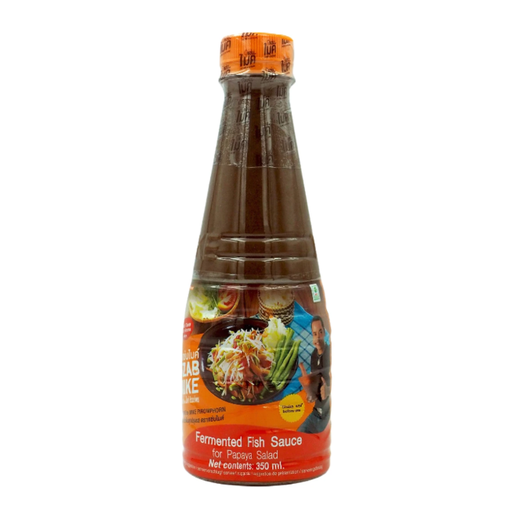
Why this product suits this profile: This product is designed for papaya salad and pla-ra-inspired seasoning, making it an interesting choice for fans of speciality Thai recipes.
The clearly stated intended use prevents a speciality recipe from accidentally being treated as a neutral everyday fish sauce. Fish and possible soya traces are also indicated.
350 ml contents; fermented fish sauce with roasted rice and garlic juice; use within seven days of opening.
We have put together a complete, regularly updated list of products that fully meet these strict selection criteria and the safety regulations applicable in the EU.
Fish sauce is a salt-rich umami seasoning sauce. It should therefore be added gradually, especially to recipes containing soya sauce, stock, curry paste or additional salt. For dips, you can balance it with lime juice, water and sugar. In Vietnamese recipes such as nuoc cham, it is generally not served neat, but combined with other ingredients.
After opening, the bottle should be sealed properly and stored according to the label. If in doubt, check the colour, smell and packaging instructions. The best-before date applies to unopened goods and does not replace the manufacturer’s individual storage guidance.
It is suitable for seasoning soups, curries, stir-fries, rice, marinades and dips. It is particularly common in Thai, Vietnamese and other Southeast Asian recipes. Because of its salt content, it should initially be used sparingly.
This depends on the individual product. Some bottles should be refrigerated after opening, while others can be kept sealed in a cool, dry place. Special recipes such as ZAB MIKE may have a short consumption period of seven days. The information on the packaging takes precedence.
For occasional cooking, 200 to 300 ml is usually sufficient. If you regularly prepare Thai dishes, pho, marinades or dips, you can choose 680 to 725 ml. The key consideration is whether you can use the bottle within the recommended period after opening.