
Lieferung heute & morgen

Qualitätsgarantie

Willkommens-Angebote freischalten: KOSTENLOSE Lieferung | Bis zu 80 % RABATT | Kostenlose 30-Tage-JoyPlus-Testphase
App herunterladen
Anyone looking to buy fish sauce will find a wide range of products online from Thailand, Vietnam and other Southeast Asian countries. The bottles often look similar, but can differ considerably in anchovy content, ingredients, salt levels, flavour and intended use. For home cooks, price is therefore not the only factor to consider. Caterers and high-volume users should also check whether the bottle size matches their actual consumption.
Thai or Vietnamese origin can indicate a culinary tradition, but it does not replace checking the ingredients list. Depending on the product, an Asian fish sauce may contain a high proportion of anchovies, sugar, flavour enhancers or additional extracts.
If you are looking for a particularly straightforward recipe, compare the percentage of fish and the order of the ingredients. According to the product information, Squid Brand Fish Sauce 300ml contains 77% anchovies or anchovy extract. The ingredients list consists of anchovies, salt and sugar.
Fish sauce is a highly salty seasoning sauce. A high salt content can quickly overpower soups, curries or wok dishes. The information on the label can help you assess the product: Squid Fish Sauce 725ml, for example, contains 25.2 g of salt per 100 g, while King Lobster Fish Sauce 700 ml contains 26.3 g of salt per 100 ml.
These figures are not a quality rating. They simply show that the sauce should be used sparingly. For dressings or dips, diluting it with lime juice, water and a little sugar can be a good idea.
Not every fermented fish sauce is equally suitable as a table seasoning. Classic fish sauce for Thai cuisine is often used in curries, soups, marinades and wok dishes. A sauce containing fermented fish, garlic or prawns, on the other hand, may have a much more distinctive flavour.
For sushi and Japanese dishes, ponzu, soy sauce or sushi seasoning should not be confused with fish sauce either. If you are specifically looking for fish sauce for sushi and wok dishes, decide how you intend to use it before buying.
The fish content is a useful point of comparison, but it is not the only measure of personal preference. Products with a higher anchovy content may have a more pronounced, salty fish flavour. Thanh Ha Fish Sauce 720ml contains 35% Stolephorus commersonnii. According to the product description, X.O Fish Sauce 750 ml contains 70% anchovy extract.
A fermented fish sauce can develop a complex flavour through maturation. However, the precise production method, maturation period and recipe depend on the brand and should only be assessed using the product labelling.
Fish sauce is not suitable for vegetarians or vegans. The allergen statement ‘contains fish’ must be taken into account. Some products also contain prawns or other crustaceans. Pantai Shrimp Fish Sauce 700ml, for example, contains 65% anchovy extract and 2% prawn extract, and therefore contains fish and crustaceans.
JAWIRAT Fermented Fish Sauce 350ml lists fermented fish, pickled garlic juice, prawn paste and several additives. It is therefore better suited to people looking for a strong, distinctive flavour and who can safely consume all the listed ingredients.
For occasional cooking, 200 to 350 ml is often sufficient. A 300 ml fish sauce is a practical quantity for many households, without leaving the bottle open for too long. If you regularly prepare pho, pad Thai, curries or marinades, you may prefer 680 to 725 ml. 700 ml or 750 ml bottles may be suitable for caterers and high-volume users.
Storage instructions vary. Many products should be stored in a cool, dry place while unopened and refrigerated after opening. According to the product information, ZAB MIKE Fish Sauce for Papaya Salad 350ml should be refrigerated after opening and used completely within seven days. The label on the individual bottle always takes precedence.
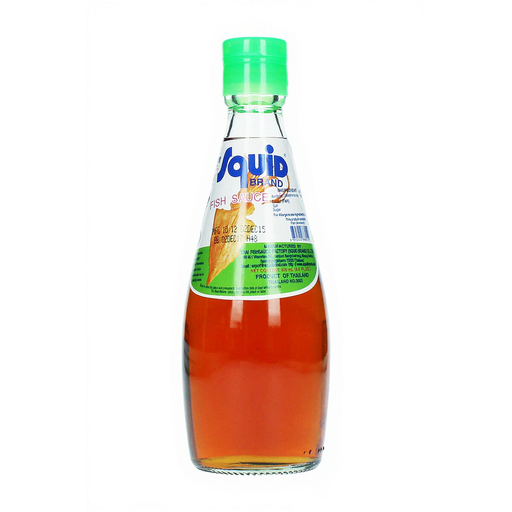
Why this product suits this profile: The 300 ml bottle is ideal for trying Thai, Vietnamese and Southeast Asian cuisine for the first time. According to the product information, it contains 77% anchovies.
The ingredients list is short and the fish content is clearly stated. This makes it easier to compare the sauce with products whose recipe is less transparent.
300 ml contents; according to the product description, suitable for marinades, dips, soups, wok dishes and dressings. Contains fish.
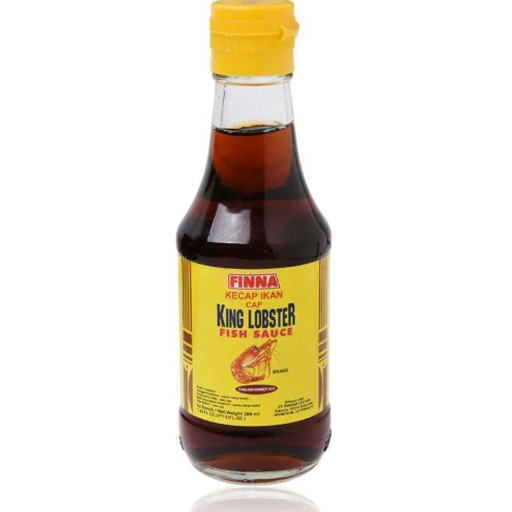
Why this product suits this profile: The recipe contains 63% anchovies, as well as salt and sugar. The 200 ml format is designed for controlled dosing and occasional use.
The product information provides a simple ingredients list and states the declared fish content. It also specifies the fish allergen, storage instructions and that it is 100% alcohol-free.
63% anchovies; according to the product information, with no declared artificial colourings, flavourings or preservatives. Contains fish.
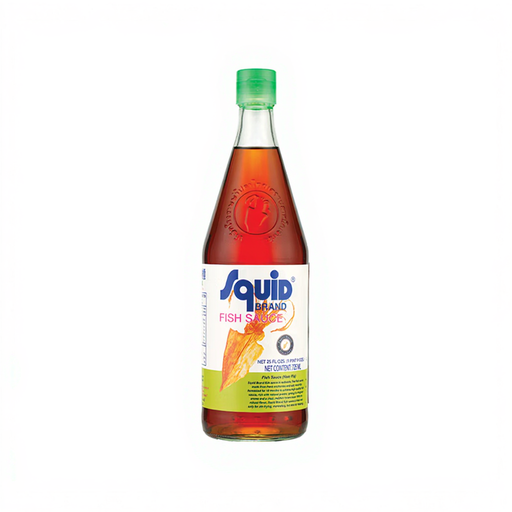
Why this product suits this profile: The larger format is suitable for frequent cooking, stocking up or using in several recipes. The declared anchovy content is 77%.
The large bottle is not marketed solely on the basis of vague origins: the fish content, ingredients and salt content of 25.2 g per 100 g are all stated.
725 ml contents; three ingredients according to the product information: anchovies, salt and sugar. Refrigerate after opening.
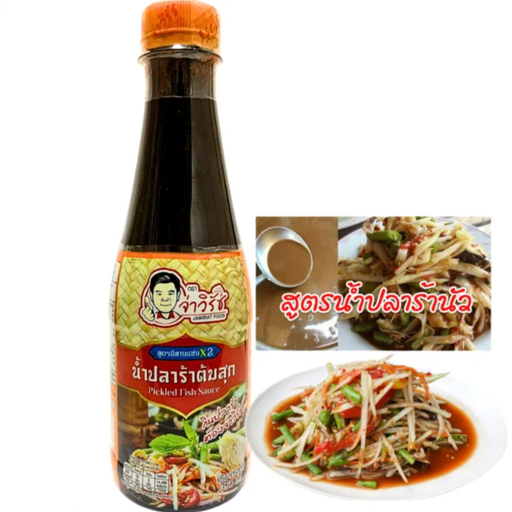
Why this product suits this profile: According to the product description, this Thai fermented sauce contains pickled garlic juice and prawn paste, among other ingredients. It is intended for som tam, larb, soups and marinades.
The additional ingredients and allergens are clearly listed. This makes it clear that it is not a simple anchovy-and-salt sauce.
350 ml contents; fermented product from Thailand with garlic and prawn flavours. Contains fish and crustaceans.
We have put together a complete, regularly updated list of products that fully meet these strict selection criteria and the safety regulations applicable in the EU.
For soups, curries and wok dishes, a small amount added gradually is usually sufficient. When adjusting the seasoning, remember that stock, soy sauce and other seasonings also contribute salt. For a dip, lime juice, sugar, water, chilli and garlic can help balance the flavour of the fish sauce.
After opening, the bottle should be sealed securely and stored according to the manufacturer’s instructions. If in doubt, follow the information on the label, particularly for fermented products containing additional ingredients.
Thai dishes such as pad Thai, tom kha, curries and som tam often use Thai fish sauces made with anchovies. The preferred fish content and recipe depend on the dish. Special papaya salads may call for fermented varieties containing garlic or prawn paste.
This depends on the product. Some manufacturers recommend refrigeration and consumption within a specified period, while others indicate a longer shelf life when stored in a cool place. Always check the exact period directly on the packaging.
For occasional cooking, 200 to 350 ml is usually sufficient. A 700 ml fish sauce or larger bottle is more suitable for regular users, families, caterers and those who like to keep a supply in stock. The key consideration is whether the sauce can be used within the stated period after opening.