
Lieferung heute & morgen

Qualitätsgarantie

Willkommens-Angebote freischalten: KOSTENLOSE Lieferung | Bis zu 80 % RABATT | Kostenlose 30-Tage-JoyPlus-Testphase
App herunterladen
The world of Asian snacks is diverse and packed with flavour, and fish snacks, in particular, are gaining popularity. They offer an interesting alternative to traditional crisps and sweets. However, the vast selection can also lead to disappointing purchases. Many products don't live up to the promises on their packaging. Before you buy, you should know a few common pitfalls to avoid buyer's remorse.
A frequent issue is the discrepancy between expectation and reality when it comes to nutritional values. A product advertised as a "high-protein snack" can simultaneously have high sugar or salt content, which diminishes the health benefit. A second pitfall lies in vague flavour descriptions. A "spicy fish snack" can range from mildly seasoned to an intense heat that isn't for everyone. Finally, texture is crucial: what's described as crispy can turn out to be tough and leathery.
To ensure you find the right snack for your palate, it's helpful to check three key parameters. This information is usually found on the packaging or in the product description and provides objective benchmarks for your decision.
The foundation of any fish snack is crucial for its texture and taste. There are two main categories:
The choice between whole fish and surimi is a matter of personal preference for texture and flavour intensity.
A look at the nutrition label is essential, especially if you're looking for a health-conscious snack alternative. Don't just focus on the protein content. A high value is positive, but also check the following points per 100g:
The terms "savoury" or "spicy" are subjective. The ingredients list reveals the type of seasoning:
Based on these objective criteria, we have identified a few products that suit different preferences.
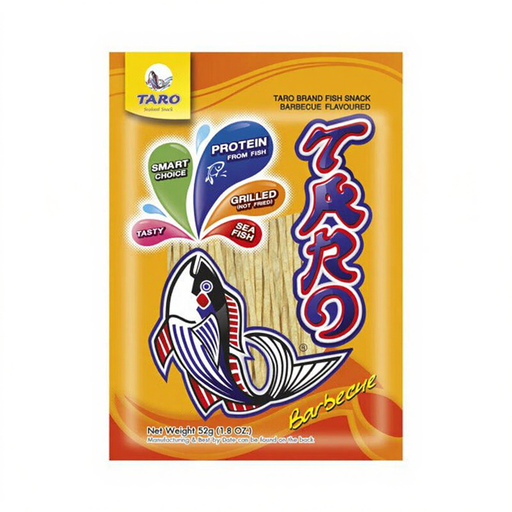
Why This Fits Their Persona: Ideal for anyone looking to dip their toes into the world of fish snacks. The familiar BBQ flavour is approachable and not overly spicy. The surimi strip base has a pleasant chewy texture that is less intense than whole fish.
The product delivers a clear and predictable flavour profile (BBQ) instead of a vague "savoury" note. The texture is consistent and not leathery.
According to the manufacturer, the snack is made of 80% fish meat. It offers a solid protein content of 22g per 100g with a mild flavour.
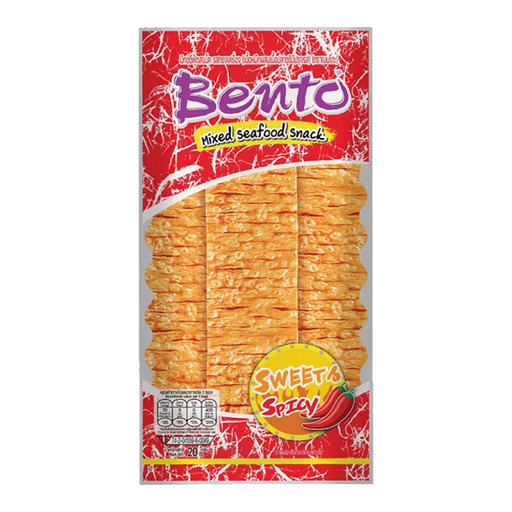
Why This Fits Their Persona: For seasoned snackers seeking intense and authentic heat. Bento is a cult brand in Thailand, known for its distinctive sweet and spicy seasoning that packs a significant punch.
This snack doesn't disappoint on the heat level. The "Sweet & Spicy" name accurately describes the flavour profile. The unique, chewy texture of the thin strips is a hallmark, not an undesirable quality.
Delivers an authentic Thai taste experience. With 26g of protein per 100g, it is also a very high-protein snack.
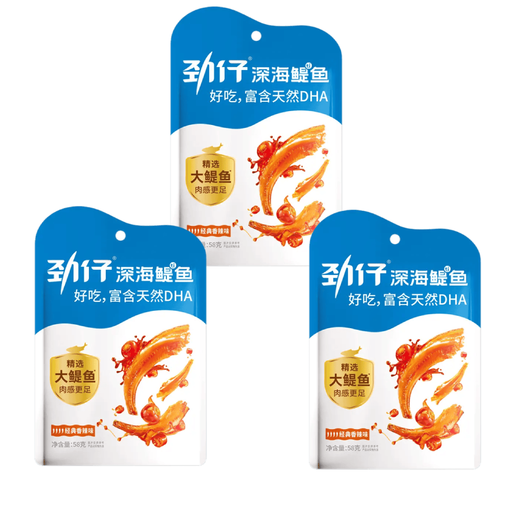
Why This Fits Their Persona: Perfect for consumers looking for a high-protein, low-carb snack. Made from whole anchovies, this snack offers a natural source of protein. The individual packets allow for easy portion control.
The focus is clearly on the high protein content (28.5g) while maintaining low sugar (3.5g) and carbohydrate (8.2g) levels. The individual packets help control consumption and preserve freshness.
Made from whole fish, it offers an intense, savoury taste experience. The convenient portion packs are ideal for on-the-go or as a side dish.
We have compiled a complete, up-to-date list of products that fully meet these strict selection criteria and local regulations.
1. What's the best way to store opened fish snacks? Dried fish snacks are susceptible to humidity, which can cause them to lose their crispy or chewy texture. After opening, leftovers should be immediately stored in an airtight container in a cool, dry place. It is recommended to consume them within a few days to ensure freshness. Products in individual packets offer a clear advantage here.
2. Are fish snacks a good source of protein? Yes, many fish snacks, especially those made from whole fish like anchovies or products with a high fish content, are an excellent source of protein. Values from 20g to 30g of protein per 100g are common. However, it is always wise to check the entire nutrition label, as some products can also contain a lot of sugar or salt.
3. What drinks pair well with spicy fish snacks? The intense, often salty and spicy flavours of fish snacks pair well with chilled, refreshing beverages. A light lager, a chilled green tea, or even a slightly sweet lemonade can balance the heat and complement the taste.