
Lieferung heute & morgen

Qualitätsgarantie

Willkommens-Angebote freischalten: KOSTENLOSE Lieferung | Bis zu 80 % RABATT | Kostenlose 30-Tage-JoyPlus-Testphase
App herunterladen
Selecting the right fishing gear can be a challenge. The market is flooded with products that often promise more than they deliver. Many anglers invest in equipment that later proves unsuitable for their needs or shows defects after a short time. This guide is designed to help you avoid common pitfalls and make an informed decision based on objective criteria.
A frequent problem is the purchase of so-called "complete sets." While they may seem budget-friendly, their individual components—rod, reel, and line—are often poorly matched or made from low-quality materials. Another mistake is investing in gear that is ill-suited for the intended fishing method, whether it's predator fishing in freshwater or sea fishing.
To avoid a poor investment, it's wise to focus on a few core technical parameters rather than being swayed by marketing promises. These features determine the performance and longevity of your equipment.
The material of a fishing rod is critical for its sensitivity, weight, and durability.
The action of a rod describes how much the rod blank bends under load. A fast action means only the tip bends, which allows for long casts and quick bite detection. A slow action means the rod bends all the way to the handle, which acts as a shock absorber when fighting a fish and helps prevent the hook from tearing out.
The fishing reel is the mechanical heart of your setup. Two metrics are important here:
The fishing line is the direct connection to the fish. Choosing the right type is crucial for success.
The right equipment always depends on the individual's intended use. Here are some product suggestions tailored to specific angler profiles.
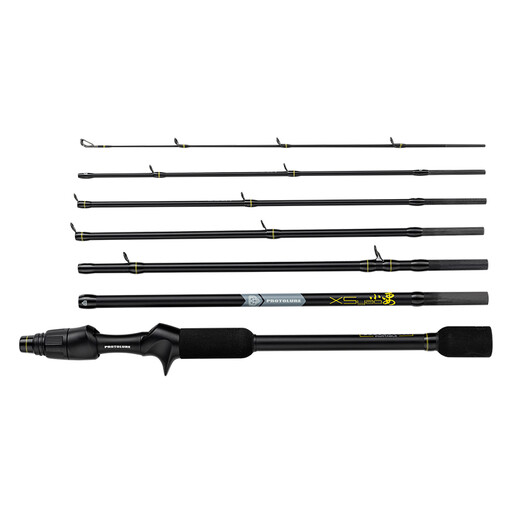
Why This Fits Their Persona: This model is designed for both freshwater and sea bass fishing, offering great flexibility for anglers who want to explore different waters without immediately buying multiple specialized rods.
Instead of being a low-quality component in an "all-in-one" kit, this is a specific carbon fibre rod designed for performance and sensitivity.
The carbon fibre construction ensures a low weight and provides excellent feedback for lure presentation and bite detection.
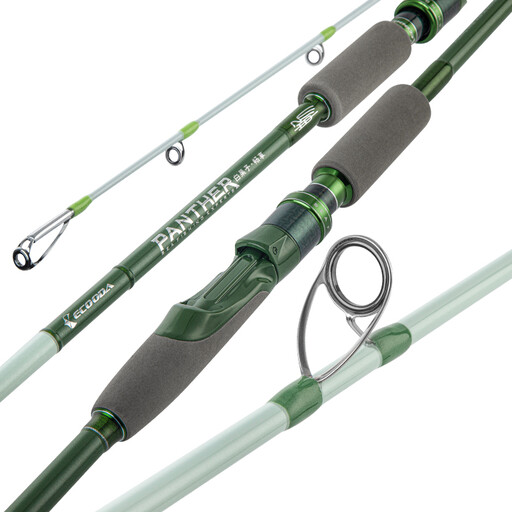
Why This Fits Their Persona: This boat rod is specifically designed for use at sea. Its construction is engineered to handle the stresses of boat fishing for larger marine species like cod or pollock.
This is a specialized tool for sea fishing tackle, not an inadequate all-purpose rod that could fail under the strain of a trophy fish.
The robust construction and action, tailored for boat fishing, provide the necessary power and control to land even hard-fighting fish securely.
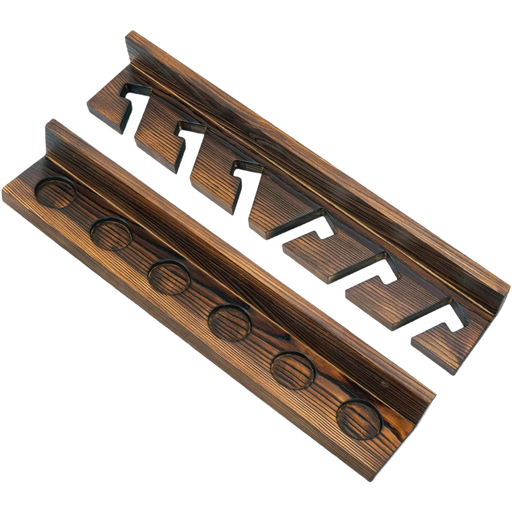
Why This Fits Their Persona: For anglers expanding their rod collection, proper and secure storage is essential. This wall-mounted rod rack solves the problem of disorganized storage in the garage, basement, or boat.
It addresses a practical problem often overlooked when buying fishing accessories: preventing damage to expensive rods from improper storage.
Provides space-saving and secure storage for up to 6 fishing rods. The solid wood material is durable and protects the rod blanks.
We have compiled a complete, up-to-date list of products that fully meet these strict selection criteria and applicable safety regulations.
The optimal rod length depends on the fishing spot and the target method. Shorter rods (approx. 1.80 m to 2.40 m / 6 ft to 8 ft) are easier to handle and are well-suited for fishing from a boat or on overgrown banks. Longer rods (from 2.70 m / 9 ft and up) allow for greater casting distances and are advantageous for shore fishing at large bodies of water or on the coast.
Proper storage significantly extends the life of your equipment. Clean your rod and reel with fresh water after each use, especially after use in saltwater. Loosen the reel's drag to relieve pressure on the drag washers. Ideally, store your rods hanging in a wall-mounted rod rack or in a rod case to prevent warping and damage to the blank.
The main difference lies in the type of reel and its position. With a spinning rod, the spinning reel hangs underneath the rod. It is easy to use and well-suited for beginners and lighter lures. On a baitcasting rod, the baitcaster or conventional reel sits on top of the rod. This combination allows for more precise casts and better control over heavy lures but requires more practice to avoid backlashes (line tangles).