
Lieferung heute & morgen

Qualitätsgarantie

Willkommens-Angebote freischalten: KOSTENLOSE Lieferung | Bis zu 80 % RABATT | Kostenlose 30-Tage-JoyPlus-Testphase
App herunterladen
By: Joybuy Product Recommendation OfficerDate: August 30, 2026
Choosing the right fishing gear can be a challenge. The market is flooded with technical jargon and marketing promises that often create more confusion than clarity. Many avid anglers invest in equipment that quickly proves to be unsuitable or prone to failure. This guide focuses on the objective criteria that truly matter, helping you make an informed decision for your next ECOODA fishing gear purchase.
Before we dive into the crucial parameters, it's important to understand the typical sources of error. Avoiding these not only saves money but also prevents frustration on the water.
When making your choice, focus on verifiable technical features that directly impact the performance and longevity of your equipment.
The material of the rod blank is a key determinant of sensitivity, weight, and action. Modern fishing rods are predominantly made of carbon fibre.
For fishing reels, whether for spinning rods or baitcasting reels, the material and internal components are crucial.
Instead of making a blanket recommendation, we have matched ECOODA products to typical user profiles.
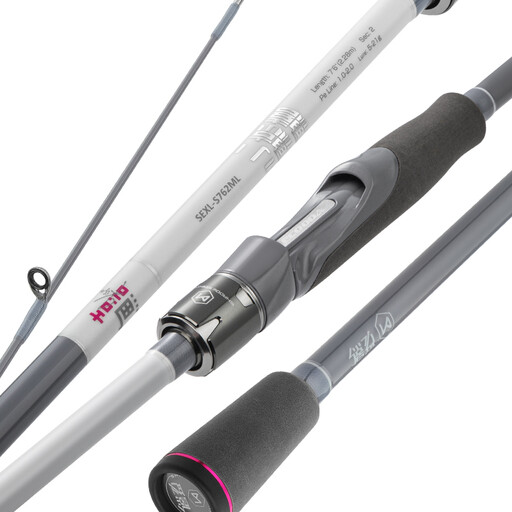
Why This Fits Their Persona: Ideal for anglers who need the flexibility to target perch, trout, or zander in freshwater. The rod is designed for precise lure presentation with soft baits or wobblers.
This rod relies on proven Fuji SIC guides that ensure low-friction line flow, rather than using non-specific marketing terms. The focus is on the functional performance of the carbon blank.
High sensitivity for excellent bite detection; Low weight for fatigue-free casting.
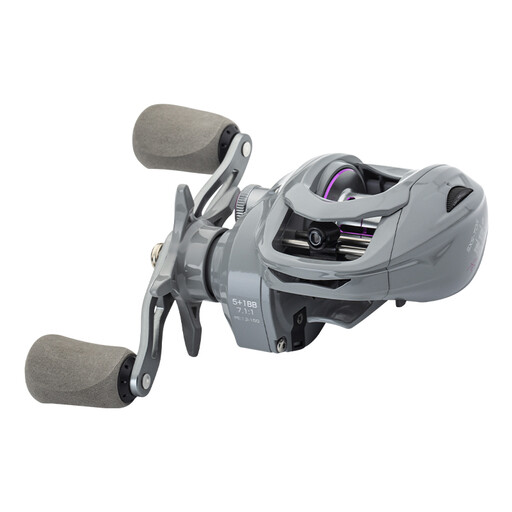
Why This Fits Their Persona: Designed for anglers who fish from the shore or a boat and need a durable, corrosion-resistant reel for long-distance casting.
This reel avoids the vague "saltwater-ready" trap by featuring a full-metal aluminium body and explicitly stated corrosion resistance. These are verifiable features that ensure a long service life.
Excellent casting distance due to the long-cast spool design; Robust construction for saltwater use.

Why This Fits Their Persona: Perfect for anglers using light lures and finesse techniques like the dropshot or Texas rig. The reel's low weight allows for highly sensitive handling.
Instead of opting for a heavy, all-around reel, this model focuses on a specific application. It avoids the compromise of an unbalanced combo by specializing in lightness and precision.
Very low weight for maximum sensitivity; Enables precise casts with light lures.
We've compiled a complete, up-to-date list of products that fully meet these strict selection criteria and current regulations.
To maximize its lifespan, the reel should be thoroughly rinsed with fresh water after every use in saltwater to remove salt deposits. Then, allow the reel to air dry. Regular, light lubrication of moving parts like the line roller and handle knob, as well as servicing the gears with special reel grease according to the manufacturer's instructions, is also recommended.
The main advantage of a carbon fibre rod lies in its combination of low weight and high stiffness. This results in increased sensitivity, allowing the angler to feel the lure's action and subtle bites directly. Furthermore, the material's fast recovery speed enables more precise and longer casts.
PE stands for Polyethylene, the base material from which modern braided PE fishing line is made. These lines consist of multiple tightly woven individual fibres. Their advantage is a very high breaking strength with a very small diameter. Additionally, they have almost no stretch, which allows for direct power transmission and bite detection, making them ideal for modern spin fishing.