
Lieferung heute & morgen

Qualitätsgarantie

Willkommens-Angebote freischalten: KOSTENLOSE Lieferung | Bis zu 80 % RABATT | Kostenlose 30-Tage-JoyPlus-Testphase
App herunterladen
Choosing the right fishing reel is crucial for your success and enjoyment on the water. However, the market is flooded with marketing promises and technical specs that often confuse more than they help. Many anglers invest in features they don't need or choose a model that's unsuitable for their fishing style. This guide will help you understand the essential criteria and make an informed decision based on facts, not hype.
Before we dive into the technical details, it's important to be aware of the most common misconceptions that can lead to a bad purchase.
To find the right reel, focus on the following three objective parameters that directly impact your fishing experience.
The most fundamental decision is between a fixed-spool reel (spinning reel) and a revolving-spool reel (baitcasting reel).
The drag is responsible for releasing line in a controlled manner during the fight to prevent a line break. Two aspects are crucial here:
The material of the body and spool determines the reel's stability, weight, and durability.
Here are some recommendations tailored to specific profiles that avoid the pitfalls mentioned earlier.
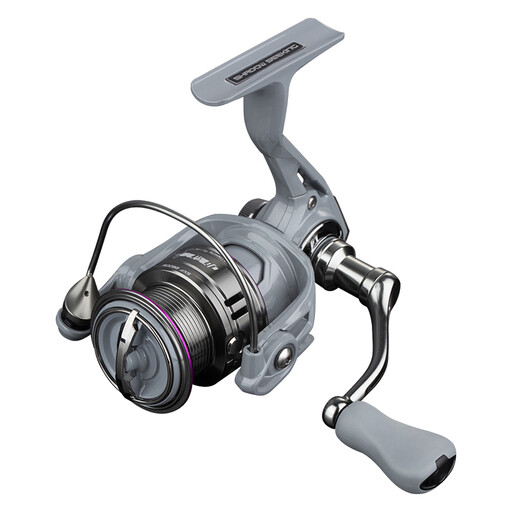
Why This Fits Their Persona: Ideal for anglers who need a reliable and versatile spinning reel for fishing in lakes and rivers for perch, zander, or trout, without getting lost in technical details.
Focuses on a solid, smooth operation and a reliable drag system rather than an excessive number of ball bearings. The universal gear ratio is suitable for most common lure types.
Easy to handle with a wide range of applications. Provides a solid foundation for various freshwater fishing techniques.
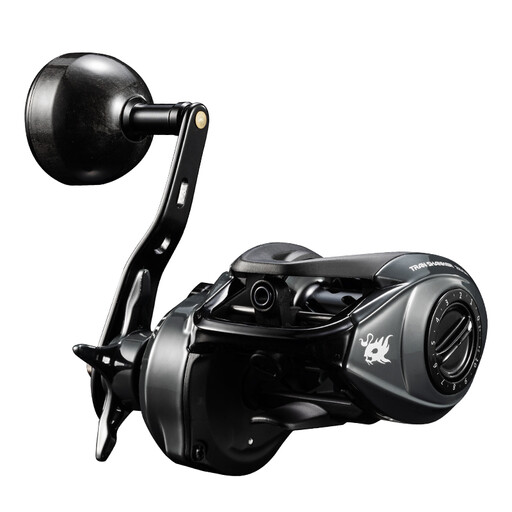
Why This Fits Their Persona: Perfect for the advanced angler looking for a lightweight baitcasting reel for precise casts with jigs, rigs, and smaller crankbaits. Its low weight allows for hours of fatigue-free fishing.
This reel is specifically designed to be lightweight. It avoids the problem of using a reel that is too heavy or clunky for finesse applications, which would impair lure control.
Enables excellent lure control and direct feedback. The low weight reduces wrist fatigue.
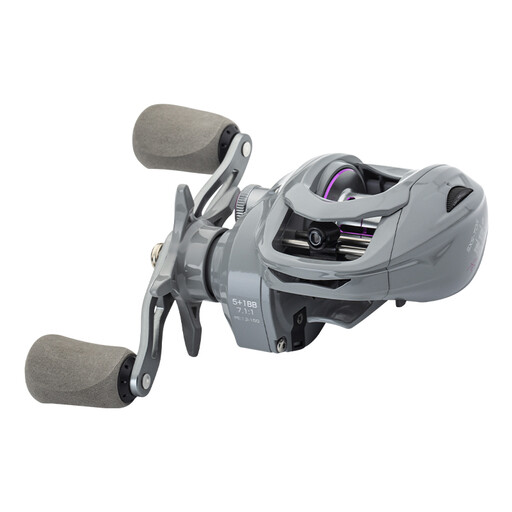
Why This Fits Their Persona: Designed for anglers who fish the coast for cod and sea trout or target large pike and catfish in freshwater. The long-cast spool and robust construction are built for these conditions.
This saltwater reel features a corrosion-resistant aluminium body, thus avoiding the typical material wear and tear of saltwater use. Its high drag power is designed for large fish.
Maximum casting distance thanks to the long-cast spool design. Robust, torsion-resistant construction for fighting powerful fish.
We have compiled a complete, up-to-date list of products that fully meet these strict selection criteria and applicable regulations.
Quality is more important than quantity. A reel with 4 to 6 high-quality, well-placed, and ideally sealed ball bearings typically offers very smooth and durable performance. More bearings are not automatically better and, if of low quality, can even increase susceptibility to defects.
For fishing on the coast or in the sea, a dedicated saltwater fishing reel is mandatory. Look for features such as a body made of aluminium or a corrosion-resistant composite material, sealed ball bearings, and a sealed drag system. These features protect the internal components from the aggressive effects of salt.
Regular, simple maintenance can significantly extend the life of your reel. Rinse the reel with lukewarm fresh water after each use, especially after saltwater exposure, and let it air dry. Occasionally lubricate moving parts like the line roller and handle shaft with a drop of special reel oil. An annual service, where the gears are cleaned and re-greased, is recommended for avid anglers.