
Lieferung heute & morgen

Qualitätsgarantie

Willkommens-Angebote freischalten: KOSTENLOSE Lieferung | Bis zu 80 % RABATT | Kostenlose 30-Tage-JoyPlus-Testphase
App herunterladen
Deciding to buy a new fishing reel can quickly become overwhelming, given the abundance of technical specs and marketing promises. Many anglers invest in models that either don't suit their fishing style or lose performance after a short time due to hidden defects. This guide focuses on the objective criteria that truly matter and helps you sidestep common purchasing traps.
Before we dive into the technical details, it's important to know the most common pitfalls. These often lead to frustration on the water and unnecessary expenses.
Salzwasser Angelrolle (saltwater fishing reel) can quickly become unusable due to corrosion.To find the right reel, you should focus on a few critical technical features. These determine the performance and suitability for your individual needs.
The most fundamental decision is between the two most common types of reels.
Baitcastrolle (baitcasting reel) offers experienced anglers a higher degree of precision, control, and power. It is mounted directly on top of the rod and allows for accurate casting of even heavy lures and a more direct feel of the lure's action. It is the preferred choice for fishing with larger lures and targeting a Angelrolle für gro?e Fische (reel for big fish) like pike or catfish.The gear ratio (e.g., 5.2:1) indicates how many times the rotor turns per one turn of the handle.
The material directly influences the reel's weight, stability, and longevity.
leichte Angelrolle (lightweight fishing reel) made of graphite is ideal for finesse techniques and long fishing days where every ounce counts.Salzwasser Angelrolle (saltwater fishing reel) is essential. Look for features like sealed ball bearings, a corrosion-resistant coating, and components made of stainless steel or aluminum.Here are some models that represent a compelling option for specific angler profiles based on their objective features.
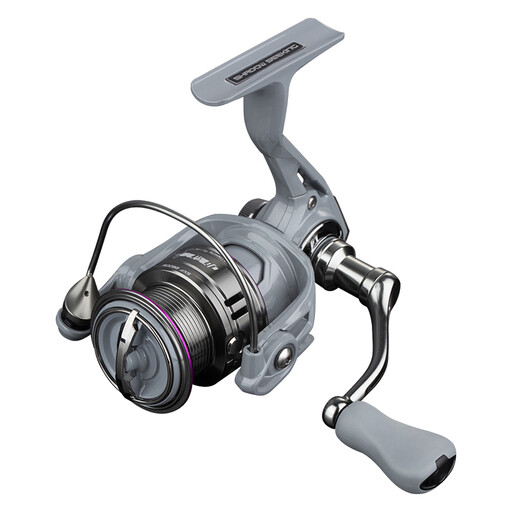
Why This Fits Their Persona: This spinning reel is designed for anglers who want a reliable and versatile solution for fishing in rivers, lakes, and streams without committing to a single technique.
Instead of advertising a high bearing count, the design focuses on smooth operation and a solid construction for all-around freshwater use.
Broad application range for various freshwater target species. Good price-to-performance ratio for beginners or as a reliable backup reel.
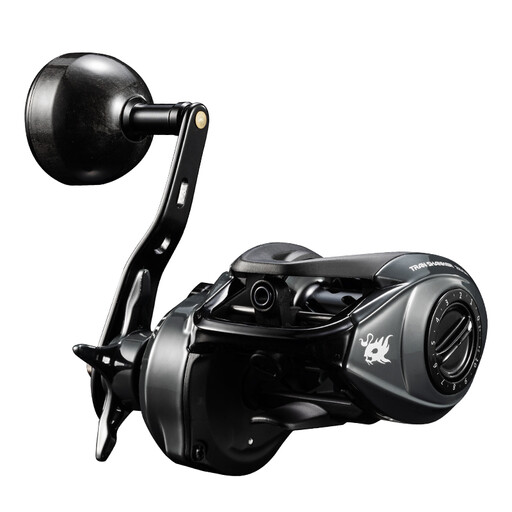
Why This Fits Their Persona: This `leichte Angelrolle` (lightweight fishing reel) is for the active angler who values precise casts, fatigue-free fishing, and direct lure feedback. Ideal for fishing with jigs and rigs for perch and zander.
It avoids the "wrong material" trap by specifically focusing on a lightweight construction optimized for hours of active casting, rather than maximum robustness for heavy saltwater applications.
The low weight reduces wrist fatigue. The `Baitcastrolle` (baitcasting reel) allows for very sensitive lure presentation and casting control.
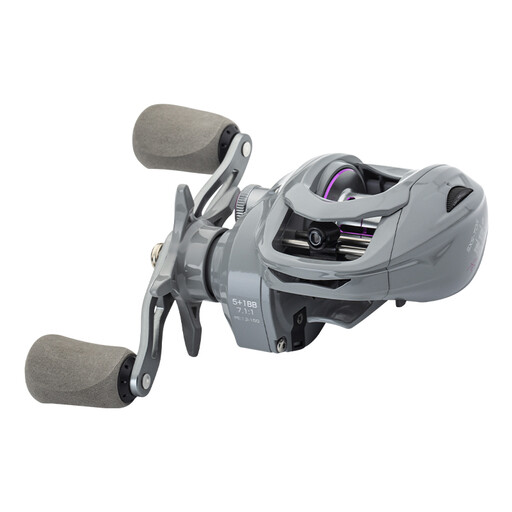
Why This Fits Their Persona: Designed for anglers who need maximum casting distance from the coast or on large lakes. The robust construction is built to handle the stresses of saltwater and heavy casting weights.
This `Weitwurfrolle` (long-cast reel) directly addresses the material and corrosion problem. The aluminum body and its explicit rating as a `Salzwasser Angelrolle` (saltwater fishing reel) prevent premature wear and tear.
The long-cast spool design optimizes line release for greater casting distance. The corrosion-resistant construction ensures functionality even with regular use in the sea.
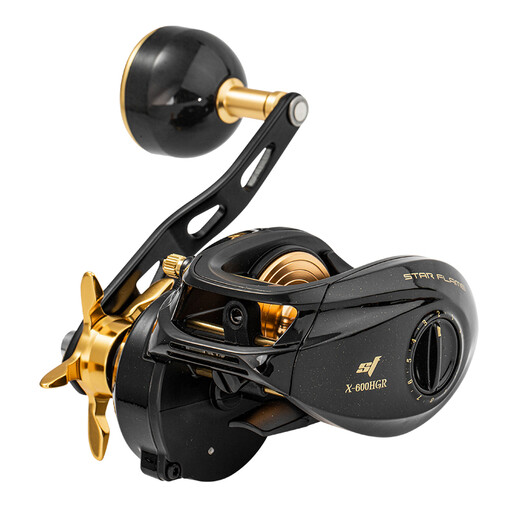
Why This Fits Their Persona: For anglers whose targets are trophy pike, catfish, or other hard-fighting fish. Here, maximum drag power and a torsion-resistant gear system are the top priorities.
This `Angelrolle für gro?e Fische` (reel for big fish) sidesteps the trap of a weak drag system. It is explicitly designed for high loads and provides the necessary power to maintain control even during the fight with a trophy fish.
The robust heavy-duty construction and powerful drag system provide the necessary reserves for extreme fight scenarios. High line capacity for long casts or thick lines.
We have compiled a complete, up-to-date list of products that fully meet these strict selection criteria and applicable regulations.
1. How often does a fishing reel need to be maintained? After every use in saltwater, the reel should be thoroughly rinsed with fresh water and dried. An intensive maintenance session, including cleaning and lubricating the gears and bearings, is recommended once or twice per season, depending on frequency of use.
2. What do the size numbers on fishing reels mean (e.g., 2500, 4000)? The number describes the size of the reel and its associated line capacity. As a rough guide:
3. Is a more expensive fishing reel always better? Not necessarily. The price often reflects the use of specialized materials (e.g., carbon, magnesium), manufacturing precision, and durability under extreme conditions. For occasional use in freshwater, a solid mid-range model is often perfectly sufficient. What's crucial is that the reel fits the intended purpose, not the price alone.