
Lieferung heute & morgen

Qualitätsgarantie

Willkommens-Angebote freischalten: KOSTENLOSE Lieferung | Bis zu 80 % RABATT | Kostenlose 30-Tage-JoyPlus-Testphase
App herunterladen
A fishing rod should not be chosen based solely on colour, brand name or a flashy advertising claim. What really matters is whether the rod, lure weight, target fish and fishing location all work together. A spinning rod for trout has very different requirements to a sea fishing rod used from a boat. Similarly, a carbon fibre fishing rod for bass or a Tairaba rod cannot automatically be used for every fishing situation.
The terms "Freshwater" and "Saltwater" give you an initial clue about the intended use. However, they do not replace the need to check casting weight, rod length, number of sections and line guides. A lightweight freshwater fishing rod can be overwhelmed by heavy sea fishing. Conversely, a powerful boat fishing rod often feels unnecessarily heavy and cumbersome on a small trout lake.
Carbon fibre primarily describes the material or the construction of the rod. It does not automatically mean the rod is suitable for every technique. Different actions and load ranges are relevant for soft plastics, crankbaits, natural baits or Tairaba lures. Therefore, you should always check the technical specifications of the specific model before buying.
A two-piece fishing rod can make transport easier. However, the number of sections alone says nothing about casting performance, stability or the rod's intended use. What matters is whether the ferrule is cleanly finished and whether the length and transport size suit your vehicle, fishing spot and storage space.
The casting weight indicates the weight range the fishing rod is designed for. You should not regularly use lures outside this range. A spinning rod for small trout lures will usually require different values than a bass fishing rod for larger soft plastics or wobblers.
With a soft plastic rod, the rod's feedback is also important: a stiffer action can make lure control and feeling the bottom contact easier. This is a technical characteristic, not a general guarantee of catching fish.
A longer fishing rod can help you cast further when fishing from the bank, but it needs more space and can be impractical on overgrown banks. When boat fishing, more compact dimensions are often easier to handle. So, check the following:
A lightweight fishing rod is particularly suitable for situations where you are casting frequently or holding the rod for long periods. The actual weight should be listed in the product data and not just inferred from the word "Light".
With a carbon fibre fishing rod, you should consider the material specifications, guides, reel seat and handle separately. For saltwater, corrosion-resistant components and thorough cleaning after use are important. A saltwater fishing rod should be rinsed with fresh water after every use and then dried. This reduces salt deposits, but does not replace checking for wear and tear.
For all products, you should also pay attention to the manufacturer's information, warnings and details of the responsible person in the EU. In the product information listed here, the manufacturer is stated as WEIHAI ECOODA OUTDOOR PRODUCTS CO., LTD.; the responsible person in the EU is named as Jingdong Retail Germany GmbH.
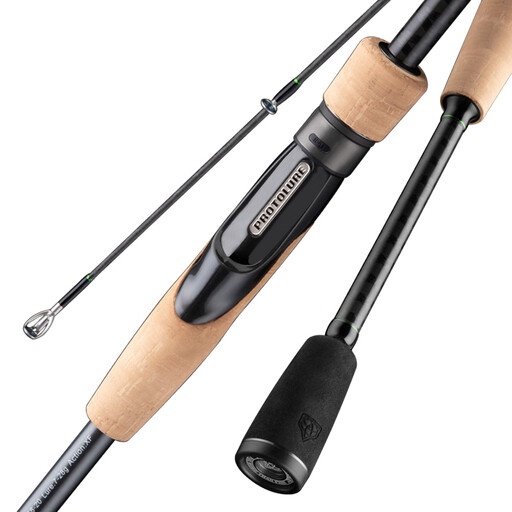
Why this product fits the profile: The product name mentions both freshwater and saltwater, making it suitable for people who want to fish in different types of water. Before buying, you should check that the casting weight and rod length match your planned lures.
Stating its use for two types of water makes the intended application clearer than a generic "Universal" claim. You still need to check the specific suitability based on the technical data.
The product name specifies freshwater and saltwater use, as well as a two-piece design.
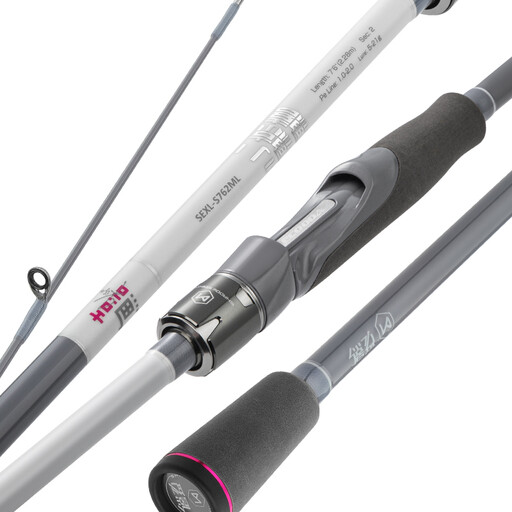
Why this product fits the profile: The product name mentions carbon fibre, Fuji SIC guides, and bass, trout and carp as target species. This makes it easier for anglers who pay close attention to material and component specifications to make a pre-selection.
The material and guides are specifically named, rather than just using generic terms like "Premium". You should still check the casting weight and action.
Carbon fibre, Fuji SIC guides and the stated target fish groups are all specified in the product name.
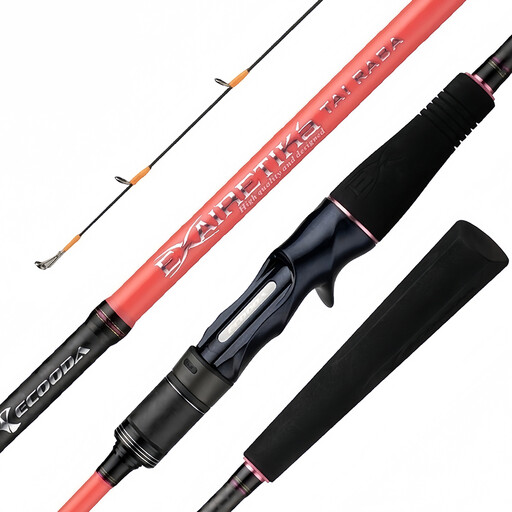
Why this product fits the profile: According to the product name, this Tairaba rod is designed for Tairaba and Tenya techniques. This makes it a potential choice for anglers looking for a specialised boat or sea fishing rod for specific lure presentations.
The technique is specifically named. This helps avoid using a general spinning rod for Tairaba or Tenya without checking the action and lure weight range.
The Tairaba rod and Tenya orientation are stated in the product name; this model is therefore more clearly categorised than a non-specified fishing rod.
We have put together a complete, regularly updated list of products that fully meet these strict selection criteria and the safety regulations in force in the EU.
After fishing, you should check the rod for sand, salt, moisture and damage. This is especially important for a sea fishing rod or boat fishing rod as part of regular maintenance:
A long lifespan cannot be inferred from the material name alone. Common causes of damage include impacts, incorrect lure weights, misaligned ferrules and improper transport.
For beginners, a rod with a clearly stated intended use and a casting weight that matches your planned lures is a sensible choice. A two-piece fishing rod can make transport easier. You should first decide on the water type, target fish and fishing technique before making your selection.
A freshwater fishing rod is typically designed for conditions in lakes and rivers. A saltwater fishing rod, or sea fishing rod, must also be able to cope with a salty environment, in addition to the fishing technique and load. You should check the components and care instructions based on the individual product data.
It is not possible to give a reliable, general figure for its service life. It depends on factors including the load, transport, storage, lure weight and care. Regularly checking the guides, ferrules and rod blank helps to identify damage early.