
Lieferung heute & morgen

Qualitätsgarantie

Willkommens-Angebote freischalten: KOSTENLOSE Lieferung | Bis zu 80 % RABATT | Kostenlose 30-Tage-JoyPlus-Testphase
App herunterladen
A quality fitness mat is the foundation for an effective and safe home workout. Whether for yoga, Pilates, or an intense HIIT session, the right mat protects your joints, provides stability, and enhances hygiene. However, the selection is vast: different materials, thicknesses, and surface textures can make the decision challenging. This guide will help you understand the features of various mats and make an informed choice that perfectly suits your needs.
To find the right exercise mat for your home, three key criteria should be considered: material, thickness, and specific features like slip resistance and portability.
The material significantly determines the mat's grip, durability, cushioning, and maintenance requirements.
The thickness of a mat, measured in millimetres (mm), affects comfort and stability during various exercises.
Making a sports mat non-slip is crucial for safety. Look for a textured surface that grips the floor and provides traction for your hands and feet. There are also practical solutions for transport and storage. Mats with a carrying strap can be easily rolled up and taken with you. A foldable gym mat, on the other hand, can be folded compactly for space-saving storage, making it ideal for smaller apartments or transport in a car.
Here is a selection of mats that are well-suited for different types of training due to their specific features.

What sets it apart: This TPE mat, with its 6 mm thickness, offers a balanced combination of cushioning and stability, making it a versatile companion for various forms of exercise.
Pros:
Best for: Users looking for an all-around mat for yoga, stretching, and general fitness exercises at home who also value portability.
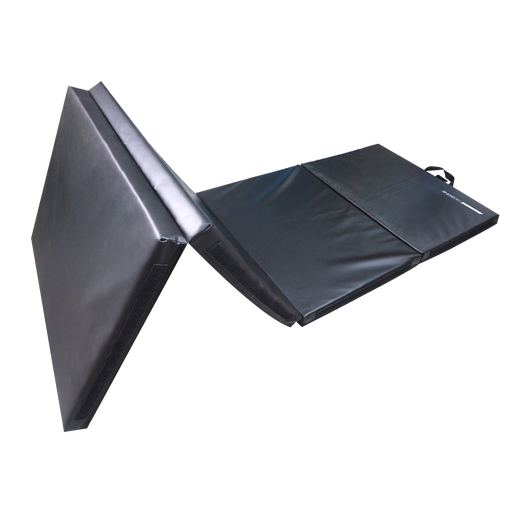
What sets it apart: Designed as a foldable gym mat, this model offers high shock absorption thanks to its thick foam padding, while also being very compact for storage.
Pros:
Best for: Users who need a gymnastics mat with heavy padding for aerobics, floor exercises, or balance training and appreciate a space-saving storage solution.

What sets it apart: Made from durable PVC, this mat is designed for longevity. Its embossed surface ensures a reliable grip during a wide variety of exercises.
Pros:
Best for: Fitness enthusiasts looking for a durable and low-maintenance home exercise mat or gym mat for core training, Pilates, and yoga poses.

What sets it apart: The combination of a natural cork surface and a TPE underside makes this mat exceptionally grippy, especially in moist conditions.
Pros:
Best for: Yoga practitioners, especially for dynamic styles or hot yoga, who prefer a mat with naturally enhanced grip when sweating.
Haven't found the right mat for your specific needs yet? The market offers a wide variety of other models that differ in material, thickness, and design. Explore our full range of exercise mats to find the perfect surface for your workout.
Cleaning depends on the material. TPE or cork mats should be gently wiped with a damp cloth (without harsh cleaning agents). PVC mats are less sensitive and can often be cleaned with a mild soap solution. It's important to let the mat air dry completely after cleaning before rolling it up again.
For dynamic yoga styles where balance is important, mats with a thickness of 4 mm to 6 mm are often a good choice as they provide sufficient stability. For calmer practices like Yin Yoga, or if you have sensitive joints, a thick fitness mat of 6 mm or more can offer extra comfort.
Not necessarily. A mat's price is often determined by the material (e.g., natural rubber and cork are more complex to produce than PVC), brand positioning, and additional features like special coatings. The crucial factor is that the mat meets your personal requirements for slip resistance, cushioning, durability, and material properties.