
Lieferung heute & morgen

Qualitätsgarantie

Willkommens-Angebote freischalten: KOSTENLOSE Lieferung | Bis zu 80 % RABATT | Kostenlose 30-Tage-JoyPlus-Testphase
App herunterladen
The selection of exercise mats on the market can be overwhelming. From specialised yoga mats to robust gymnastics mats, there are numerous options that differ in material, thickness, and function. However, the right fitness mat is crucial for the comfort, safety, and effectiveness of your workout. This guide will help you understand the features of different mats and make an informed decision that suits your individual needs—whether for training at home, in the studio, or for the whole family.
To find the perfect training mat, three criteria are particularly important: the material, the thickness, and its everyday functionality.
The material influences not only the feel and durability but also the mat's slip resistance and cushioning properties.
The thickness of a mat, measured in millimetres (mm), is a trade-off between cushioning and ground contact.
For storage and transport, there are two common designs:
Here we present a selection of mats that are suited for different applications due to their specific properties.
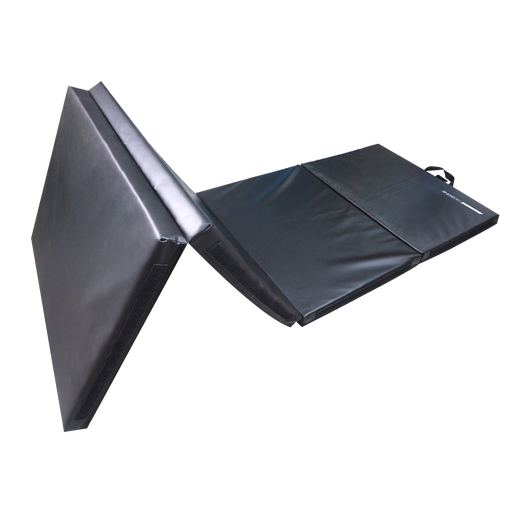
Standout Feature: This mat is distinguished by its high cushioning and modular design. With a thickness of approx. 5 cm (2 inches), it offers significant padding for high-impact exercises.
Benefits:
Who is this mat for? Ideal for users who need a thick, protective surface for gymnastics, martial arts, or a durable play mat for children. Its expandability also makes it attractive for group activities or larger training spaces.
View Details for the GoZone Folding Mat

Standout Feature: The combination of a natural cork surface and a TPE underside. The cork layer absorbs moisture, which improves grip during your workout.
Benefits:
Who is this mat for? This yoga mat is a great choice for yoga practitioners of all levels, especially for dynamic styles like Vinyasa or Hot Yoga. It also appeals to users who value sustainable materials.
View Details for the Miss Lulu Cork Yoga Mat

Standout Feature: Its versatility and dual-sided non-slip texture. This mat is designed as an all-rounder for various types of training.
Benefits:
Who is this mat for? An excellent choice for beginners and advanced users looking for a versatile training mat for yoga, stretching, Pilates, or light strength exercises. Its straightforward handling makes it a practical at-home sports mat.
View Details for the MISS LULU TPE Yoga Mat
The selection presented here covers various needs but represents only a small fraction of the available models. If you are looking for other materials, sizes, or specific designs, you may find the right solution in our broader product category.
Discover our entire range of Exercise & Resistance Mats for more options.
The main difference often lies in the thickness and surface texture. A yoga mat is typically thinner (3–6 mm) and designed for maximum slip resistance to ensure stability in holding poses. A general fitness mat or gymnastics mat is often thicker (from 8 mm) to provide better cushioning during dynamic exercises like jumps or sit-ups.
Most mats made of TPE, PVC, or cork can be wiped down with a damp cloth and, if necessary, a mild soap solution. It is important to let the mat air dry completely before rolling or folding it again to prevent odour build-up. Always follow the manufacturer's specific care instructions, as some materials can be more sensitive.
Slip resistance is a key safety feature. A non-slip mat prevents it from shifting on the floor during your workout and stops your hands and feet from losing their grip during exercises like Downward-Facing Dog (in yoga) or planks. This reduces the risk of injury and allows for the correct and safe execution of exercises.