
Lieferung heute & morgen

Qualitätsgarantie

Willkommens-Angebote freischalten: KOSTENLOSE Lieferung | Bis zu 80 % RABATT | Kostenlose 30-Tage-JoyPlus-Testphase
App herunterladen
A good fitness mat is the foundation for an effective and safe workout. Whether you're practicing yoga at home, building strength at the gym, or seeking a comfortable surface for your standing desk, the wrong mat can lead to joint pain, slipping hazards, or rapid wear and tear. This guide will help you understand the different types of mats and make an informed decision that's perfectly tailored to your needs.
The selection of mats is vast, and the differences are often in the details. To find the right exercise mat for home or the gym, you should consider three key aspects.
The material largely determines a mat's grip, durability, and comfort. A non-slip surface is crucial for safety during dynamic exercises or challenging yoga poses.
A mat's thickness, often specified in millimetres, affects how well it protects your joints.
Consider where and how you will primarily use the mat. A foldable mat with carrying handles is convenient for transport. For stationary use, such as an anti-fatigue mat in the office or kitchen, other features like a beveled edge to prevent tripping are more important.
Based on different use cases, we've selected a few models that stand out for their specific features.
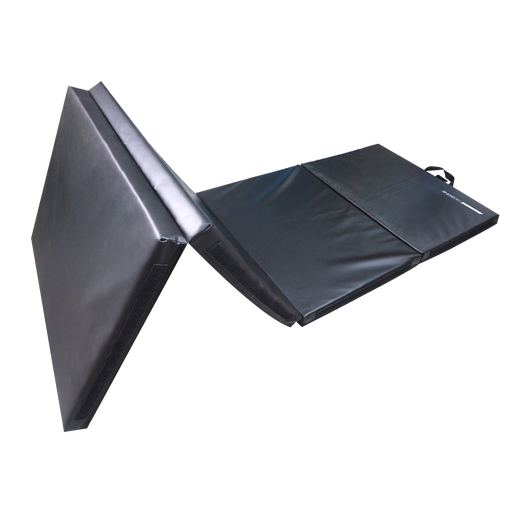
Why It Stands Out: This tumbling mat is distinguished by its thick padding of approx. 5 cm (2 inches) of high-density foam. The 4-panel folding design and integrated nylon handles make it exceptionally portable and easy to store.
Pros:
Who Is It For? Ideal for individuals who practice gymnastics, aerobics, martial arts, or intense floor workouts and need a mat with maximum cushioning and easy handling.
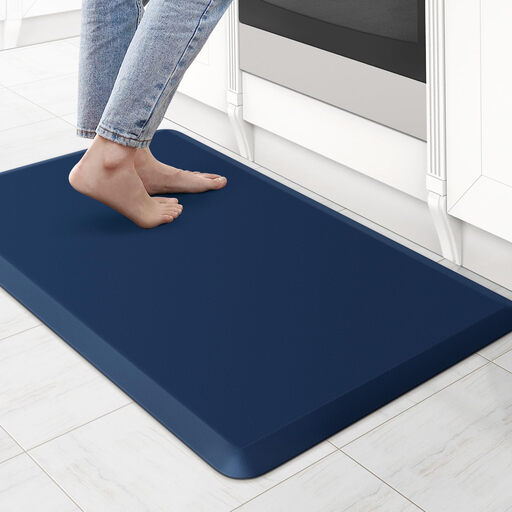
Why It Stands Out: This mat was specifically designed to reduce the strain of standing for long periods. With a thickness of approx. 1.2 cm (0.47 inches) and a core of high-density, elastic foam, it provides noticeable relief for your feet, legs, and back.
Pros:
Who Is It For? An excellent choice for professionals working from home with a standing desk, home cooks, craftspeople, and anyone who spends many hours on their feet.
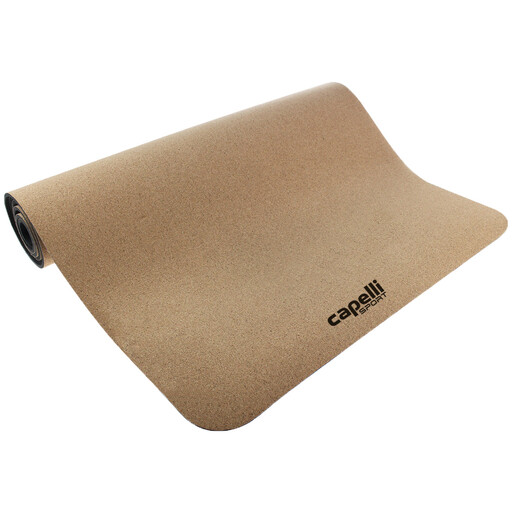
Why It Stands Out: This yoga mat combines a natural cork surface with a TPE underside. This eco-friendly material combination offers outstanding grip that actually intensifies with sweat.
Pros:
Who Is It For? Perfect for yoga practitioners of all levels, especially fans of Hot Yoga or Vinyasa flows. It's also a natural choice for eco-conscious athletes.
Haven't found the perfect mat for your specific needs in our selection? There is a wide variety of other mats optimised for different sports and applications.
Discover our entire range of wear-resistant mats and find the ideal solution for your workouts and daily life.
Cleaning depends on the material. Mats made of PVC or PE, like the GoZone mat, can be simply wiped down with a damp cloth and a mild soap solution. Cork mats should only be cleaned with a slightly damp cloth when necessary, as the material has natural self-cleaning properties. Allow any mat to air-dry completely after cleaning before rolling or folding it.
For most yoga styles, a thickness of 4 to 6 mm is a good standard. It offers a balance of comfort and stability. Thinner mats (up to 3 mm) are lighter and provide more connection to the floor for balancing exercises, while thicker mats (>6 mm) offer more cushioning for sensitive joints but can compromise stability. The 5 mm cork mat featured here is a great all-rounder.
Yes, a yoga mat is well-suited for low-impact exercises like stretching, Pilates, or bodyweight training. However, for high-impact training (HIIT) or exercises involving weights, a more robust and thicker exercise mat or gymnastics mat is a better choice, as it offers more cushioning and is more resistant to wear from shoes or equipment.