
Lieferung heute & morgen

Qualitätsgarantie

Willkommens-Angebote freischalten: KOSTENLOSE Lieferung | Bis zu 80 % RABATT | Kostenlose 30-Tage-JoyPlus-Testphase
App herunterladen
If you want to buy high-quality fitness and photography equipment, you’ll find plenty of products online making similar promises. Whether you’re looking for an adjustable dip station, home parallel bars, construction toys or a travel tripod, what matters isn’t flashy advertising but clear specifications, safe use and a design that suits your needs.
A stated load capacity is primarily a technical limit under the specified conditions. Dynamic exercises put different forces on a dip station than simply leaning on it. You should also check the base, connectors, materials and assembly.
The same applies to tripods: the maximum load alone doesn’t tell you how steadily a camera will stand in the wind or on uneven ground. The combination of the tripod’s own weight, leg sections, locks and centre of gravity is what matters.
A particularly small travel tripod is easier to carry, but may offer less working height or have less capacity for heavy lenses. By contrast, a large aluminium camera tripod is often more stable, but takes up more room in your luggage.
When choosing parallel bars for home use, don’t focus solely on the maximum height. The footprint, connecting bar and surface they’ll stand on are also important. An adjustable design is only useful if you can lock it securely into your chosen position.
Macro functionality, conversion to a monopod or ARCA-SWISS compatibility can be useful, but they offer no practical benefit if you won’t use them day to day. Before you buy, decide whether you’ll mainly be travelling, taking photos with long lenses, shooting small subjects or working with a permanent studio setup.
For fitness equipment, a metal frame with non-slip grips is a good starting point. Check whether the grips are padded and whether the station needs to be used on a flat, stable surface. With an adjustable dip station, all adjustment points should be securely locked after assembly.
For tripods, aluminium, leg section diameter and locking mechanism are useful points of comparison. Twist locks allow for a compact design, but they must be fully tightened. An available hook can improve stability in windy conditions when you add extra weight, but it’s no substitute for setting the tripod up securely.
Add together the weight of your camera body, lens, flash and any other accessories. The total should be below the stated maximum load. A monopod tripod is handy for shooting on the move with longer focal lengths, as it takes up less space. However, don’t use the tripod right at its load limit if you expect frequent movement or windy conditions.
For eye-level shots, maximum working height is key. For macro photography tripods, a low minimum height and reversible centre column are more important. If you regularly travel by train, bicycle or plane, compare the packed size and weight, including the tripod head.
For toys, check the scale, moving parts and age recommendation. The Siku Mega Lifter is made to a 1:55 scale and has an extendable telescopic arm and extendable supports. These details are more useful for play and collecting than general claims such as ‘realistic’ or ‘sturdy’.
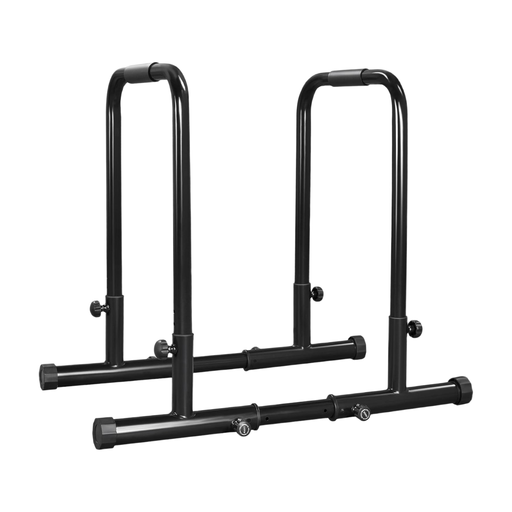
Why it suits this profile: This dip station is designed for a range of exercises at home, with adjustable parallel bars and a connecting bar. Weighing 8,45 kg, it can be moved around the home.
The connecting bar helps prevent sideways movement in the frame. The stated maximum load of 227 kg must still be observed; the station needs to be assembled securely and placed on a level surface.
Metal frame, padded non-slip grips measuring 19,7 cm long, and a range of exercise options including dips, press-ups, rows and leg raises.
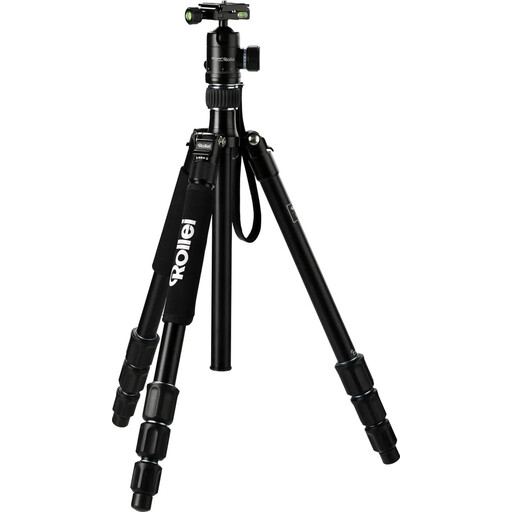
Why it suits this profile: The C5i is aimed at photographers looking for a versatile aluminium camera tripod for a range of shooting situations.
Its limits are clearly stated: an 8 kg load capacity and a maximum height of 159 cm. In windy conditions or on slippery ground, add weight to the hook; do not exceed the load limit.
4-in-1 design, ARCA-SWISS-compatible quick-release plate, 21,5 cm minimum height and the option to convert it into a monopod.
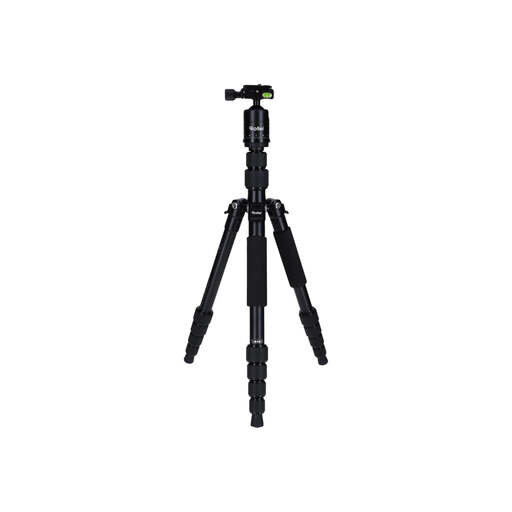
Why it suits this profile: This travel tripod is designed for people who regularly shoot in different locations. Its 32 cm packed length and weight of 1,17 kg, including the head, make it easier to carry.
The relationship between packed size, the tripod’s own weight and maximum load is clearly stated. For heavy telephoto lenses or windy locations, bear in mind the 5 kg limit and lower working height.
Working height of 32 to 134 cm, 180-degree folding mechanism, reversible centre column and a position for close-to-the-ground macro photography.
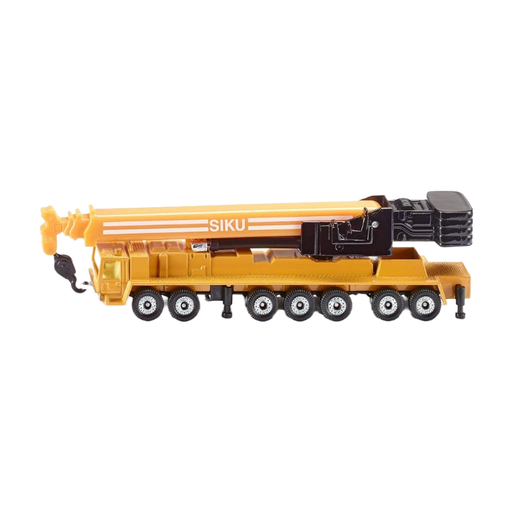
Why it suits this profile: This 1:55-scale model is ideal for construction toy collections, play scenes and model railway layouts. According to the product information, it is suitable for children aged 3 and over.
The combination of a metal body and plastic components is specified, along with the product dimensions of 14,7 × 3,0 × 24,1 cm. Small parts may pose a choking hazard, so follow the warning notice.
Telescopic arm, extendable supports, rolling plastic tyres and compatibility with other Siku construction and transport vehicles.
We’ve put together a comprehensive, regularly updated list of products that meet these strict selection criteria and fully comply with the safety regulations in force in the EU.
An adjustable dip station with a sturdy connecting bar can take up less space than several separate pieces of equipment, while supporting a range of exercises. Before buying, check the footprint, maximum load, grip design and assembly requirements. Always observe the stated load limit, and use the equipment in a controlled way.
Both need to suit your camera equipment. A lightweight travel tripod is easier to carry, but usually offers less capacity than a heavier aluminium camera tripod. Work out the total weight of your camera and accessories, and also take wind, the surface and focal length into account.
It isn’t possible to give a reliable lifespan without knowing how a product will be used. Regular visual checks, fully tightened twist locks, dry storage and staying within the load limits can all help keep it in good working order. Do not continue using the product if the connections are loose, the grips are damaged or any components are bent.