
Lieferung heute & morgen

Qualitätsgarantie

Willkommens-Angebote freischalten: KOSTENLOSE Lieferung | Bis zu 80 % RABATT | Kostenlose 30-Tage-JoyPlus-Testphase
App herunterladen
Fitness supplements can be a practical addition to your daily diet when training. However, the choice available online is extensive: protein powder, whey protein, creatine monohydrate, creatine capsules, BCAA powder, amino acids, mass gainers and protein bars differ considerably in dosage, ingredients and use.
If you focus only on terms such as “muscle building”, “rapid recovery” or “maximum performance”, it is easy to overlook important details. As a Joybuy Product Recommendation Officer, I therefore filter the relevant product information and explain which criteria matter before buying fitness supplements.
A 5-kg mass gainer may seem attractively priced at first glance. However, the decisive factors are the price per serving and the actual composition. According to the product information, one serving of Optimum Nutrition Serious Mass may weigh around 334 to 335 g and provide approximately 1,260 to 1,268 kcal, 50 g of protein and more than 250 g of carbohydrates. If you do not need this many calories, you may be paying for ingredients that have no role in your individual diet plan.
A protein bar may contain milk protein, whey, casein, soya protein or hydrolysed collagen. These ingredients have different properties. Allergens such as milk, soya, egg, gluten or nuts must also be checked. A high percentage displayed on the front of the pack is therefore no substitute for looking at the ingredients list and nutrition table.
BCAA powder, amino acids, vitamins, electrolytes and creatine are sometimes combined in a single product. This can be convenient, but it makes it harder to control the dosage. If you already use several muscle-building supplements, you should avoid overlapping ingredients such as creatine, sweeteners or micronutrients.
With whey protein, the stated protein per serving should be considered alongside the serving size. According to the product information, Optimum Nutrition Gold Standard 100% Whey provides 24 g of protein in a 31-g serving. The product is based on a blend of whey isolate, whey concentrate and hydrolysed whey peptides.
According to the product description, MAMMUT Nutrition Whey Protein provides an average of 27 g of protein per serving. The recommended preparation consists of 25 g of powder mixed with 300 ml of semi-skimmed milk. This changes the calorie, sugar and fat values compared with mixing the powder with water. For a fair comparison, you should therefore always check the values per 100 g and per serving prepared with the drink you actually use.
With creatine monohydrate, the daily quantity matters more than eye-catching packaging. According to the product information, Optimum Nutrition Micronised Creatine Powder provides 3 g of creatine per serving from 3.4 g of creatine monohydrate. The fruit-flavoured product from the same range also states 3 g of creatine per serving, but uses a 4.5-g serving for this amount.
Creatine capsules are an alternative for users who do not want to weigh or mix powder. The MAMMUT Nutrition Creatine Capsules product states that four capsules provide a daily serving containing 3.5 g of creatine monohydrate. With capsules, you should check the number per daily dose, the capsule shell and any animal-derived ingredients.
According to the relevant product labelling, creatine can increase physical performance during short-term, repeated bursts of high-intensity exercise when 3 g of creatine is consumed daily. Food supplements are not a substitute for a varied diet. If you have a medical condition, take medication, are pregnant or are unsure whether a product is suitable for you, consult a doctor.
A mass gainer is primarily intended for people who want to increase their calorie intake through a drink. A protein bar, on the other hand, is more suited to eating on the go or between meals. According to the product information, the BEST BODY NUTRITION Protein Block contains 51% protein, 9.6 g of fat and 28 g of carbohydrates per 90-g bar. The listed protein sources include hydrolysed collagen, milk protein, calcium caseinate and soya protein.
Grenade Carb Killa uses milk and soya proteins, among other ingredients. The product also contains more than 10 g of polyols per 100 g; according to the labelling, excessive consumption may have a laxative effect. Such information is relevant when deciding how much to consume each day.
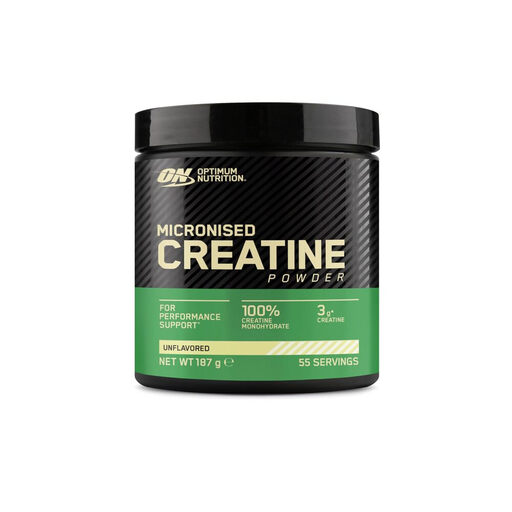
Why this product suits the profile: The unflavoured powder can be combined with water, whey protein or a recovery drink, allowing for flexible dosing.
According to the product information, the ingredients list consists of creatine monohydrate. No additional calories, sugar or flavourings are listed.
3 g of creatine per serving, micronised powder and around 55 servings per 187-g pack.
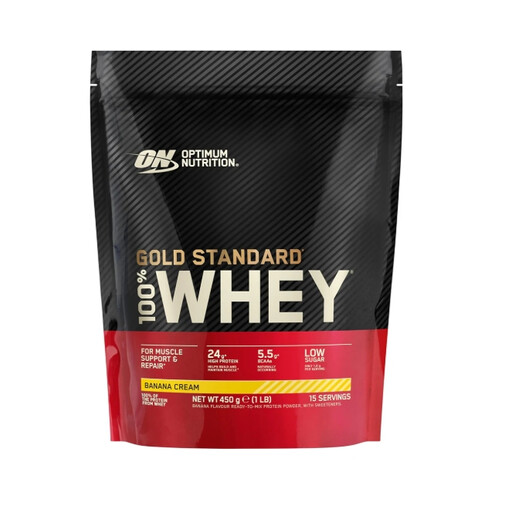
Why this product suits the profile: The protein source and serving size are clearly stated. According to the product data, each 31-g serving provides 24 g of protein.
Comparing products by protein quantity rather than marketing claims makes it easier to assess the calories, fat and sugar per serving.
Whey isolate, whey concentrate and hydrolysed whey peptides; 115 kcal and 1.2 g of fat per 31-g serving according to the labelling.
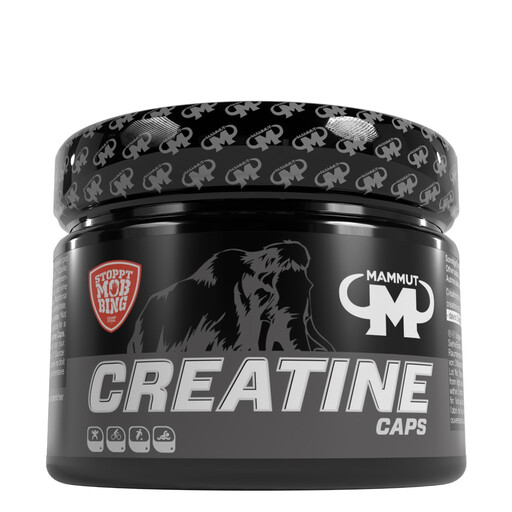
Why this product suits the profile: The capsule format is ideal for training days, travel or commuting when mixing powder is impractical.
The daily serving is stated as four capsules providing 3.5 g of creatine monohydrate. This makes it easy to plan your intake without having to measure powder.
240 capsules per bottle, 3.5 g of creatine monohydrate per daily serving and, according to the product information, no artificial colours or sweeteners.
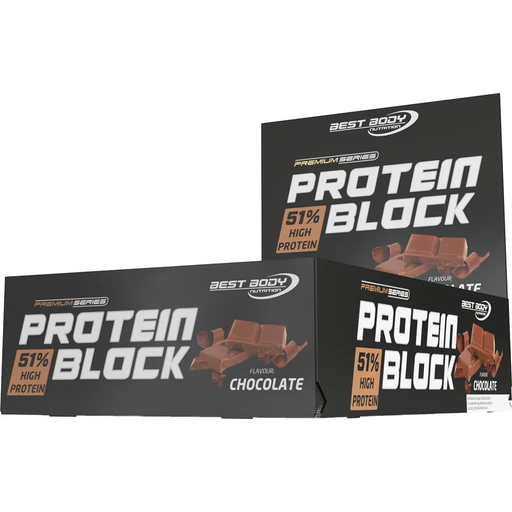
Why this product suits the profile: The individually portioned bar is designed for the office, commute or gym bag and requires no preparation.
The nutrition values and protein sources are clearly stated. Milk and soya are listed as allergens and should be checked before purchase.
51% protein according to the product description, 90-g format and an aspartame-free recipe according to the manufacturer.
We have compiled a complete, regularly updated list of products that fully meet these strict selection criteria and the safety regulations applicable in the EU.
Protein powder is a practical way to supplement your daily protein intake. It is not essential if your individual requirements are already met through regular foods. Serving size, protein source, calorie content and tolerability are the key considerations.
The best-before date and storage instructions on the packaging are the deciding factors. Creatine monohydrate should be stored in a dry place and tightly sealed, as moisture can affect how easy the powder is to handle. For capsules, follow the relevant manufacturer’s instructions.
Divide the pack price by the actual number of servings. For products with different serving sizes, you should also calculate the price per gram of protein or creatine. This allows you to compare whey protein, creatine capsules, BCAA powder and mass gainers more objectively than by pack size or marketing claims.