
Lieferung heute & morgen

Qualitätsgarantie

Willkommens-Angebote freischalten: KOSTENLOSE Lieferung | Bis zu 80 % RABATT | Kostenlose 30-Tage-JoyPlus-Testphase
App herunterladen
The selection of fitness trackers is vast and often overwhelming. Manufacturers advertise a wealth of features, but not all of them live up to their promises. Many users quickly find that their new device is impractical, incurs hidden costs, or delivers inaccurate data. This guide will help you navigate the common pitfalls and find an activity tracker that truly suits your needs.
As a Joybuy Product Recommendation Officer, I filter out the marketing hype to bring you the relevant information, so you can make an informed decision.
Before we dive into features, let's look at the most costly mistakes that buyers repeatedly make.
To avoid a bad purchase, focus on the fundamental characteristics that are crucial for long-term, satisfactory use.
The choice of the right form factor depends entirely on your lifestyle and priorities.
Instead of being dazzled by long feature lists, you should focus on the precision of the core sensors.
Two factors that are often underestimated but crucial in daily use are endurance and durability. A battery life of at least 5–7 days significantly reduces the charging hassle. A water-resistant fitness tracker (at least 5 ATM) can withstand not only showering but also swim training without any issues.
Here are some recommendations tailored to different needs that also address the pitfalls mentioned.
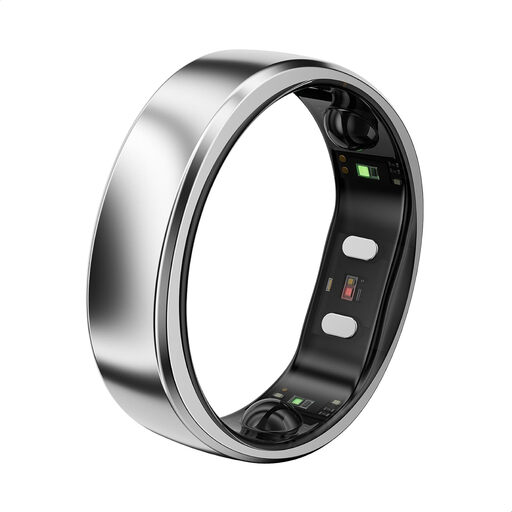
Why This Fits Their Persona: Ideal for users who want to collect comprehensive health data without a distracting device on their wrist. The smart ring is extremely lightweight and discreet, making it perfect for 24/7 tracking and especially as a sleep tracker.
This model bypasses the subscription trap, as the manufacturer states its essential standard features are available for life without additional fees.
Very long battery life of up to 10 days (manufacturer's claim) and an extremely lightweight titanium body (approx. 2.5g) that is barely noticeable when worn.
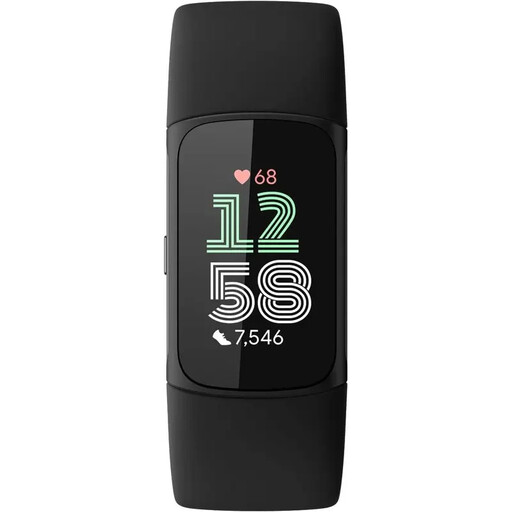
Why This Fits Their Persona: A balanced solution for users looking for a classic fitness band with proven tracking capabilities and useful everyday features. It combines sports tracking with smart functions like Google Wallet and Maps.
Its slim design and battery life of up to 7 days (manufacturer's claim) make it suitable for daily use and prevent it from being discarded due to impracticality.
Integrated GPS for smartphone-free outdoor activities and seamless integration of Google services for navigation and contactless payments.
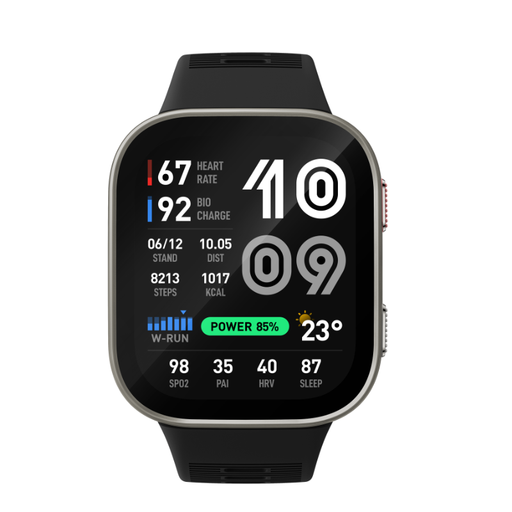
Why This Fits Their Persona: For anyone who wants a large display, comprehensive smart features, and long battery life combined in one device. The watch offers over 150 sport modes and allows you to take phone calls directly from your wrist.
Despite its extensive feature set and bright AMOLED display, it avoids the short battery life trap. According to the manufacturer, up to 20 days of use are possible.
The large 2.07-inch display offers excellent readability. The 4 GB of internal storage allows for storing offline maps and music.
We have compiled a complete, up-to-date list of products that fully meet these strict selection criteria and rigorous safety standards.
Not necessarily. There are numerous models on the market that provide their core functions without ongoing costs. However, before buying, you should check exactly which features are included in the base price and which might require a subscription-free wearable model. This information can usually be found on the product page or the manufacturer's website.
The SpO2 measurement on a fitness tracker can provide useful indicators of blood oxygen saturation, especially during sleep. However, it is important to stress that these devices are not medical products. The readings are intended for fitness and wellness purposes only and should not be used to diagnose or treat any medical conditions.
No. Pay attention to the water resistance rating, which is given in ATM (atmospheres). A device labelled "water-resistant" or 3 ATM is only protected against sweat and splashes. For swimming, you need a water-resistant fitness tracker with a rating of at least 5 ATM, which corresponds to a water depth of 50 metres. For high-speed water sports or activities at greater depths, models with a 10 ATM rating are recommended.