
Lieferung heute & morgen

Qualitätsgarantie

Willkommens-Angebote freischalten: KOSTENLOSE Lieferung | Bis zu 80 % RABATT | Kostenlose 30-Tage-JoyPlus-Testphase
App herunterladen
Integrating an effective cardio workout into your home routine that is also easy on the joints can be a challenge for many. A fitness trampoline, also known as a rebounder, offers a space-saving and functional solution to this problem. It provides a full-body workout that improves endurance and strengthens muscles without placing excessive strain on ligaments and joints.
This article serves as a comprehensive guide. It explains the key features to consider when making your selection and presents various models designed for different needs and user groups—from light exercise for children to intense workouts for adults.
The decision for the right model depends on your individual needs. The following criteria will help you make an informed choice.
The suspension system is crucial for the bounce experience and noise level.
Two practical aspects are the maximum user weight and storage.
An indoor trampoline with a handlebar provides additional stability and safety. The bar is especially helpful for beginners, during intense training sessions, or for seniors to maintain balance. On many models, the height of the handle is adjustable. A padded edge cover that conceals the springs or bungee cords minimises the risk of coming into contact with the frame or suspension system during a misstep.
Based on the criteria mentioned, we have compiled a selection of models for various applications.
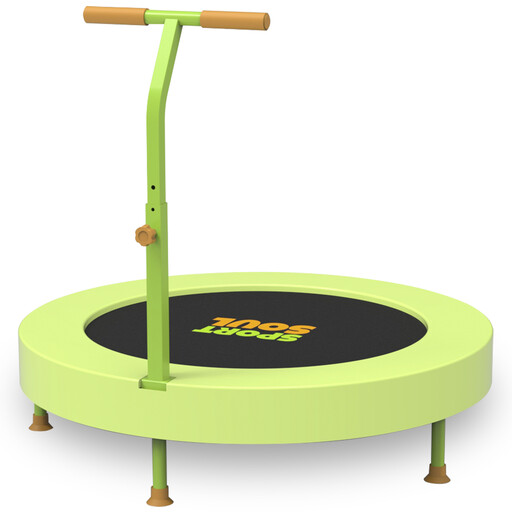
Why it stands out: This model is specifically designed to meet the needs of children. Instead of steel springs, it uses 24 elastic bungee cords, ensuring quiet operation and a soft, safe bounce.
Pros:
Who it's for: Ideal as a safe indoor activity toy for young children with a body weight of up to 25 kg.
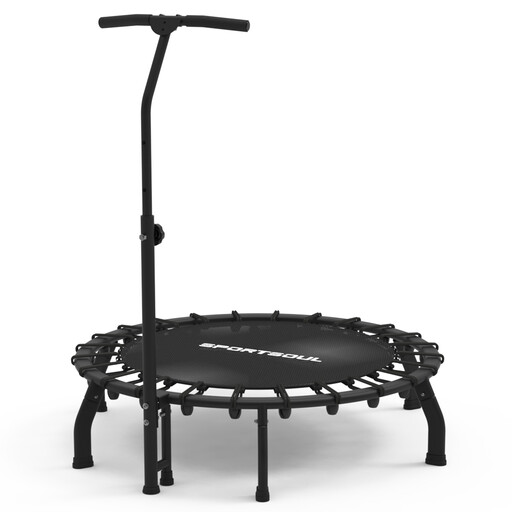
Why it stands out: With a high weight capacity and a robust build, this at-home rebounder is designed for regular cardio training for adults. The bungee cord system allows for an intense yet joint-friendly workout.
Pros:
Who it's for: For fitness-conscious adults seeking a reliable and durable training device for low-impact cardio, rehabilitation, or general fitness at home.

Why it stands out: This model combines the benefits of a foldable design with the stability of an adjustable handlebar and a classic steel spring system. It is a versatile solution for users who value flexibility and easy storage.
Pros:
Who it's for: For users up to 80 kg who are looking for a space-saving indoor trampoline with a handlebar for low-impact cardio exercises and appreciate the flexibility of a foldable device.
The models presented cover common use cases. However, if you are looking for specialised equipment or different designs, you may find the right product in our broader selection.
? Discover our entire range of Gym & Fitness Equipment.
1. Is trampolining a joint-friendly workout? Yes, training on a fitness trampoline is considered low-impact. The elastic jumping mat and the suspension system (especially with bungee cords) absorb a large portion of the impact energy. This significantly reduces the strain on your knees, hips, and spine compared to activities like jogging on hard surfaces.
2. What is the difference between a fitness trampoline and a kids' trampoline? The main difference lies in their construction, weight capacity, and intended use. A fitness trampoline (rebounder) is designed for adult workouts, featuring a firmer suspension for effective exercises and a higher maximum weight capacity (often up to 120 kg or more). A kids' trampoline is smaller, has a softer bounce for safe play, and a much lower weight limit (e.g., 25 kg). It is primarily intended for recreational movement, not structured training.
3. How much space do I need for a mini trampoline? A mini trampoline typically has a diameter of about 90 to 130 cm. Ensure you have about one metre of free space around the trampoline from walls and furniture. Also, make sure you have adequate ceiling height, especially if you plan to perform high-intensity jumping exercises. A foldable trampoline is a great solution if space is permanently limited.