Joybuy product selection
This selection includes open crêpe makers and an electric grill with both a flat and a ridged cooking surface for freshly cooked flatbreads. If you also want to heat fillings in the same appliance, check whether you need higher sides or a lid.
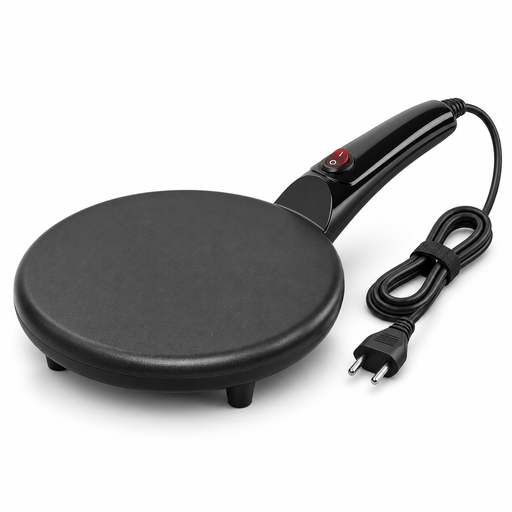 Image unavailable
Electric crêpe maker, 800 W, with non-stick plate
An open crêpe plate is worth considering if you want to cook individual thin flatbreads from scratch.
The product name specifies 800 W and a non-stick plate.
Joybuy
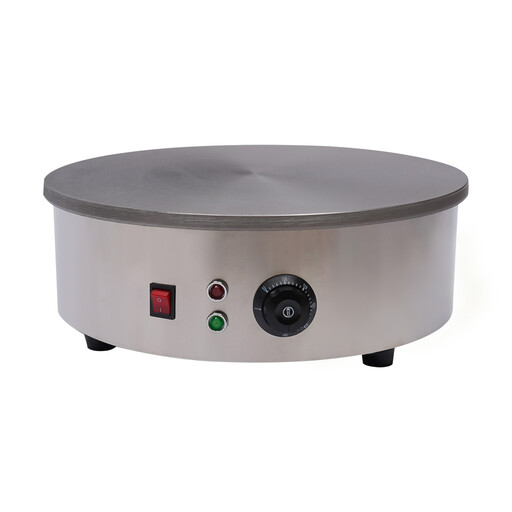 Image unavailable
Electric cast iron crêpe maker, 17.7 Inch, 3 kW
This open crêpe maker is an option if you want to prepare thin flatbreads from scratch and spread the batter across the plate.
Specifications include 17.7 Inch, 3 kW, adjustable temperature, a batter spreader and a spatula. Before buying, check that the power rating and dimensions suit the space where you plan to use it.
Joybuy
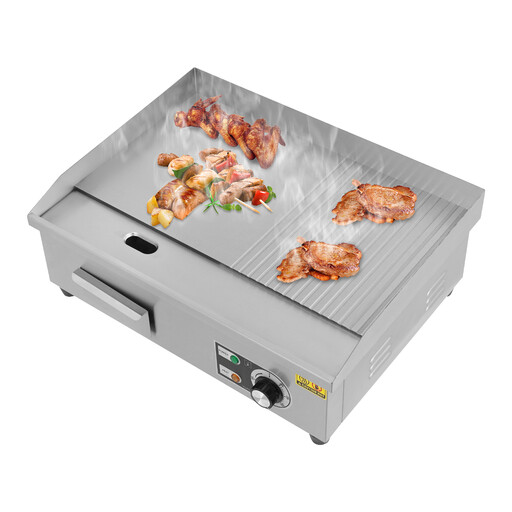 Image unavailable
Electric grill, 14 Inch, 3000 W, flat and ridged cooking surfaces
The flat section of the plate may work for small flatbreads, provided they fit within the usable cooking area.
The product specifications list 14 Inch, an 8 mm-thick plate and adjustable temperature. The surface is partly flat and partly ridged, so check which section you can use for your flatbread.
Joybuy
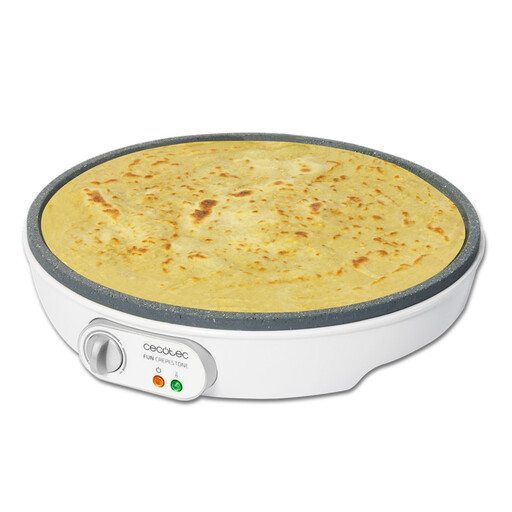 Image unavailable
Cecotec Fun Crepestone crêpe maker, 30.5 cm, 1000 W
This crêpe maker is worth considering if you want to cook and turn individual flatbreads on an open plate.
The product name specifies a diameter of 30.5 cm, 1000 W, adjustable temperature, a batter spreader and a spatula.
Joybuy
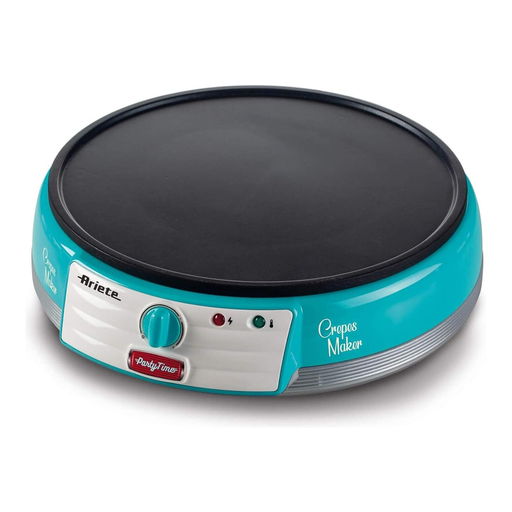 Image unavailable
Ariete Party Time Series crêpe maker, 33 × 33 × 9,5 cm, 1000 W, Light Blue
The crêpe function is suited to individual freshly cooked flatbreads. First, compare the stated appliance dimensions with the space you have available.
The product name specifies 33 × 33 × 9,5 cm and 1000 W. The description lists a coated cooking surface.
Joybuy
Frequently asked questions
How large should the cooking surface be for my flatbreads?
Measure one of your usual flatbreads and leave enough room to turn it. Compare it with the usable cooking surface of the specific appliance: Tefal lists 40 × 24 cm for the CB658P, for example, while Tristar gives a diameter of 40 cm for the PZ-2964. These dimensions describe different shapes, so they are not directly comparable.
Can I leave chopped perishable ingredients on the worktop until I cook them?
You should keep perishable ingredients chilled until you use them. In its kitchen hygiene guidance, the German Federal Institute for Risk Assessment gives a temperature range of 2 °C to no more than 7 °C for perishable foods in the fridge. An electric frying pan does not keep them chilled.
Does a keep-warm function automatically make prepared or cooked food safe?
No. For food that has already been heated, the German Federal Institute for Risk Assessment recommends keeping it at a minimum of 60 °C throughout when holding it hot. The appliance setting does not prove the temperature inside the food. Ingredients that have not yet been used and need chilling should instead be kept suitably cold.
What should I bear in mind when setting up and cleaning the appliance?
Follow the instructions for the specific model, including guidance on where to place it, its cable and any removable parts. Clatronic advises unplugging the PP 3401 before cleaning and not continuing to use it if it is damaged; these instructions do not automatically apply to other models.
What rights apply when buying an appliance online?
For a typical distance purchase from a business seller, you generally have 14 days from delivery to cancel, although exceptions may apply. The European Union’s Your Europe website distinguishes this right from the legal guarantee: goods bought from a business seller in the EU are covered for a minimum of two years. Claims for faulty goods are separate from cancelling because you have changed your mind.
Is the CE marking an independent quality mark?
No. According to the European Union’s Your Europe website, products need the CE marking when the relevant EU rules expressly require it; the manufacturer uses it to declare that the product meets those requirements. There is no central EU body that issues a certificate for this in every case. Whether a particular appliance meets the relevant requirements must be assessed for that product.


