Hikers eating without a dip
If you’ll be eating the crisps straight from the pack, the main thing is choosing a seasoning you enjoy on its own. If everyone has different tastes, check how much heat they like beforehand.


If not everyone in your hiking group likes spicy food, paprika is a more obvious choice for a snack everyone can share than Hot Chili. Very hot varieties are better suited to a group that knows it enjoys them. Check the ingredients, allergen information and nutritional values on the specific pack rather than relying on the flavour name. Also plan how you’ll carry the crisps and take the empty packaging home.
If you’ll be eating the crisps straight from the pack, the main thing is choosing a seasoning you enjoy on its own. If everyone has different tastes, check how much heat they like beforehand.
When you’re sharing, the ingredients and allergen information on the specific pack are essential. REWE lists milk ingredients for Doritos Nacho Cheese, and wheat and soya for Doritos Sweet Chili Pepper, so the flavour name alone isn’t enough to make your choice.
If you’re keeping an eye on pack size and waste, choose an amount that suits the group and plan to carry the packaging back with you. The German Alpine Club recommends taking your rubbish home.
First, check whether everyone likes spicy seasoning and whether any ingredients need to be avoided. Then compare the nutritional information and pack size for your planned break.
| Criteria | What to check when buying | Who it matters to most |
|---|---|---|
| Flavour and heat | Check the flavour and description of how spicy it is. If tastes differ, don’t choose only a variety that’s explicitly described as spicy. | If you want to snack without a dip and share the crisps with a group, choose a seasoning the other hikers will enjoy. Around 27% of consumers put flavour first. |
| Ingredients and allergens | Read the ingredients list and allergen information on the current pack, including any ‘may contain’ warnings. | If someone needs to avoid particular ingredients, the labelling will determine whether the pack is suitable for everyone to share. Around 33% of consumers prioritise this. |
| Salt and nutritional values | Compare salt, fat and energy using the same basis, such as per 100 g, and consider how much you’ll take with you. | If you’re organising food for the trip, you’ll want to be able to compare varieties objectively. Around 20% of consumers focus primarily on salt and nutritional information. |
| Pack size and carrying it home | Choose a pack size that suits the group and leave room to carry the empty packaging. | If there’s little space in your rucksack, make sure the amount of snacks suits your break and that you can bring the bag back with you. Taking the packaging home is the most important criterion for around 20% of consumers. |
A cheese seasoning may contain milk ingredients; Sweet Chili may also contain wheat and soya. This could make a variety unsuitable for someone in the group.
Before buying, check the ingredients and allergen information on the current pack rather than relying on the name or colour of the packaging.
If not everyone likes spicy food, the group may end up leaving the shared snack uneaten.
Ask the group what they prefer. If tastes vary, paprika could be the shared option, with chilli as an extra choice for those who like it hot.
Values per serving and per 100 g can’t be compared directly. The stated salt levels also vary between specific varieties: Chio lists 1.3 g per 100 g for Tortillas Salted, EDEKA lists 1.6 g per 100 g for GUT&GÜNSTIG Chili, and ALDI SÜD lists 0.9 g per 100 g for SUNSNACKS Salt.
Compare values per 100 g, then decide how much you actually want to take with you.
You’ll need space in your bag for the packaging after your break, too. The German Alpine Club points out that mountain huts aren’t responsible for taking away rubbish brought in by visitors.
Take the empty bag home with you and dispose of it after your trip.
Chio’s tortilla chips include Wild Paprika, Hot Chili, Mexican BBQ Style and Salted.
REWE stocks Doritos Nacho Cheese and Sweet Chili Pepper, among other tortilla chips.
EDEKA describes a chilli variety of tortilla chips in a 300-g pack.
ALDI SÜD describes SUNSNACKS Tortilla-Chips in the salted variety as a 300-g pack.
REWE stocks Fuego Tortilla-Chips Chili in a 450-g pack.
Lorenz makes snack ranges such as Crunchips and Naturals, which aren’t the same as tortilla chips.
This Joybuy selection is for hiking groups specifically looking for chilli heat or chilli and lime. If people in the group have different preferences when it comes to spice, choose the shared pack separately and treat a spicy variety as an extra option.
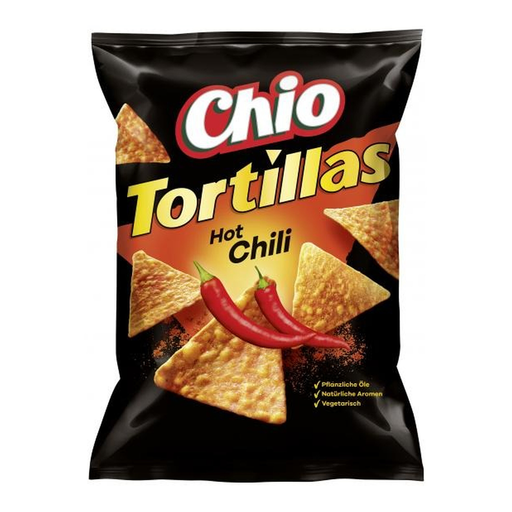 No image available
A chilli option for hikers who specifically want spicy tortilla chips.
110-g pack. If you’re sharing the crisps, check the ingredients and allergen information on the specific pack.
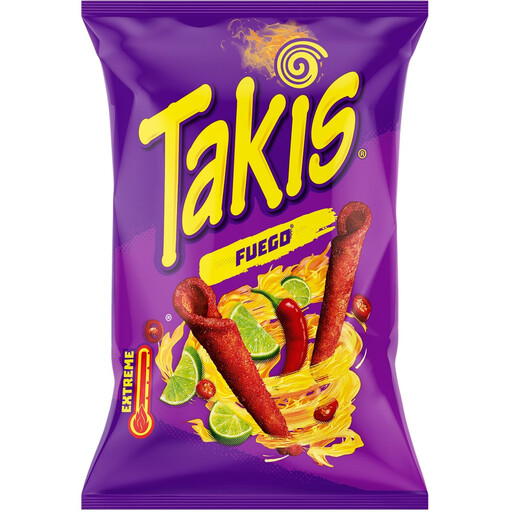 No image available
For a hiking break when chilli and lime is the flavour you’re after.
Check with the group before sharing a spicy variety, and read the ingredients and allergen information on the pack.
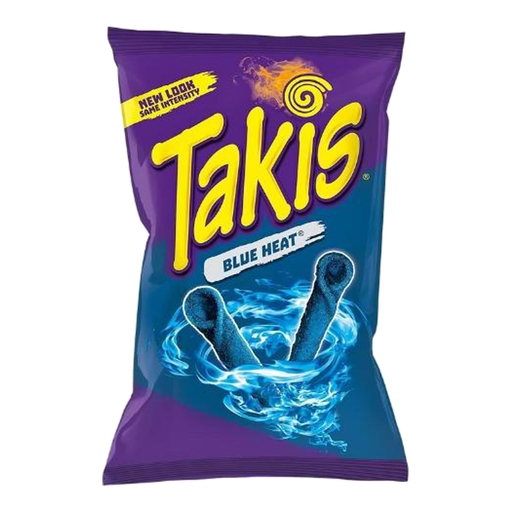 No image available
A Hot Chili Pepper variety for hikers who prefer a spicy seasoning.
Rolled tortilla chips in a 100-g pack. If you’re not sure what the group likes, this variety is better as an additional option.
For a pack everyone can share, choose paprika rather than a variety that’s explicitly described as spicy, and check people’s preferences beforehand if possible. Chio makes Wild Paprika, Hot Chili and Extra Hot Sauce Style as different varieties; the name ‘tortilla chips’ alone won’t tell you how spicy they are.
You can’t tell from the flavour name alone. REWE lists whey, cheese and buttermilk powder among the ingredients in Doritos Nacho Cheese, so this particular variety isn’t suitable if milk ingredients need to be avoided. Check the ingredients list on the current pack for any other variety, too.
Take the packaging home with you and dispose of it after your trip. The German Alpine Club recommends avoiding waste in the mountains and not leaving rubbish you’ve brought with you on paths or at mountain huts.
The responsible authorities in Germany’s federal states and the Federal Office of Consumer Protection and Food Safety publish information about affected food products on lebensmittelwarnung.de. If there’s a notice, compare the product details with those on your pack.