Listeners comparing recordings
If you want to judge the differences between performances, keep the volume and sound mode as consistent as possible. Bowers & Wilkins says the Px7 S3 has a five-band equaliser, allowing you to tailor the sound.


For comparing orchestral recordings on a long-haul flight, you could consider ANC over-ear headphones, ANC in-ear headphones or closed-back wired headphones. The right choice depends on which style feels comfortable and suits your planned audio source. Over-ears offer ANC, in-ears take up less space, and closed-back wired headphones work without a headphone battery but don’t offer ANC. Compare sound modes and volume using the same recordings. A codec or promise of spatial audio is no substitute for listening to the same tracks with consistent settings.
If you want to judge the differences between performances, keep the volume and sound mode as consistent as possible. Bowers & Wilkins says the Px7 S3 has a five-band equaliser, allowing you to tailor the sound.
If cabin noise drowns out quiet passages, both fit and noise cancelling matter. The WHO recommends well-fitting noise-cancelling headphones to reduce the need to turn up the volume in noisy environments.
If you plan to use your own audio source or the in-flight entertainment system, check the socket, cable and, where relevant, transmitter in advance. JBL says the Tour One M3 comes with a 3.5 mm cable; the transmitter is a separate Smart Tx version.
When comparing orchestral recordings on a long-haul flight, four questions are key to choosing the right headphones: sound, cabin noise, comfort and connection to your intended audio source.
A good choice if: You want to listen for long periods and the ear cushions and headband feel comfortable.
The trade-off: They take up more space in your luggage than in-ear headphones.
A good choice if: Compact size matters and the ear tips stay secure and comfortable for your planned listening time.
The trade-off: Sony says the WF-1000XM6 offers up to 8 hours per earbud charge with ANC on. For longer use, remember to factor in the charging case.
A good choice if: You’re listening from a suitable wired audio source and don’t want to charge a headphone battery.
The trade-off: Noise isolation is passive. With the Sennheiser HD 620S, check that its 150-ohm drivers are compatible with your specific audio source.
| Priority | What to check when buying | Who this matters most to |
|---|---|---|
| Comparing sound | Listen to the same recordings at the same volume and with the same sound mode; check for an EQ that you can set consistently. | If I want to hear the differences between performances, I don’t want changing settings to add another variable. Around 29% of consumers put comparing sound first. |
| A quieter cabin | Check the fit and ANC with quiet passages, rather than compensating for background noise by turning up the volume. The WHO recommends well-fitting noise-cancelling headphones to reduce the need for higher volume in noisy environments. | If cabin noise drowns out quiet passages, I want to hear them without turning the volume up unnecessarily. Around 29% of consumers prioritise a quieter cabin. |
| Long-wearing comfort | Try the headphones for longer than just a few minutes, and check the fit, headband pressure and whether the ear tips suit you. | If I want to wear my headphones on a long flight, the key thing for me is which style stays comfortable over time. Around 24% of consumers focus on long-wearing comfort. |
| Audio source and battery life | Check the socket type, any cable or transmitter you’ll need, and battery life in your planned mode of use. Each airline sets its own rules for using devices on board. | If I want to use a particular audio source, I need a compatible connection and enough battery life. Around 18% of consumers prioritise connectivity and battery life. |
Manufacturers may quote battery life under different conditions, such as with ANC on, with ANC off or with spatial audio enabled.
Only compare figures for the same mode, and allow for some extra battery life during long listening sessions.
JBL lists the Tour One M3 and Tour One M3 Smart Tx as different versions. The transmitter with an analogue 3.5 mm input is not included with the standard Tour One M3 just because of its model name.
Before ordering, check the exact model name, what’s included and the connection on your audio source.
If you need a transmitter, make sure you choose the version designed to include one.
A similar model name doesn’t tell you everything about the version. For the second-generation Bose QuietComfort Ultra, Bose quotes up to 30 hours of battery life, or 23 hours with 360-degree sound.
Before you buy, check the full model number and the details of the specific version against the manufacturer’s information.
Sony offers the WH-1000XM6 as ANC over-ear headphones and the more compact WF-1000XM6 as an ANC in-ear alternative.
The second-generation QuietComfort Ultra Headphones are an ANC over-ear option.
The Px7 S3 are ANC over-ear headphones for listeners who want to consider sound tuning when comparing recordings.
The Tour One M3 are ANC over-ear headphones supplied with an audio cable; the Tour One M3 Smart Tx is a separate version that comes with a transmitter.
The MOMENTUM 4 Wireless are ANC over-ear headphones, while the HD 620S are a closed-back wired alternative without ANC.
This Joybuy selection includes ANC in-ear and ANC over-ear headphones for listeners weighing up compact design, noise cancelling and adjustable sound when comparing recordings in flight.
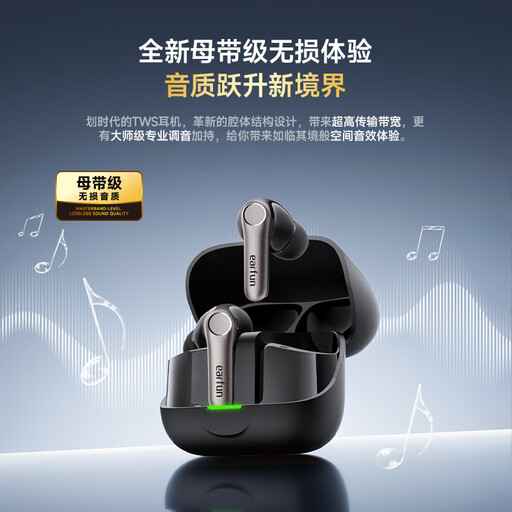 No image available
The in-ear design is a good fit if you need something compact and want to use ANC.
Bluetooth 6.0, aptX Lossless and LDAC are listed; check which formats your audio source supports.
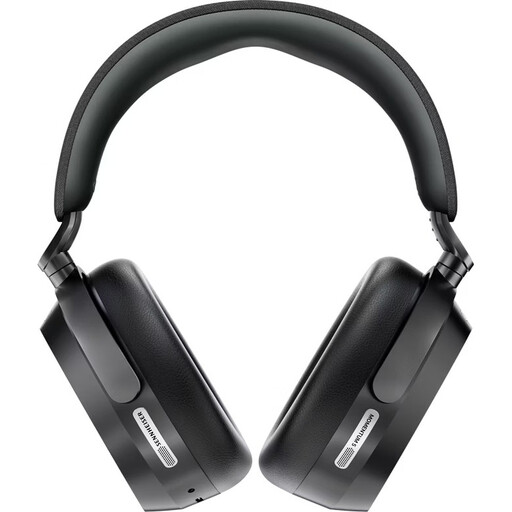 No image available
These closed-back over-ear headphones are an option if you want ANC and a wireless connection.
Bluetooth 5.4, a replaceable battery and up to 57 hours of battery life are listed. Check the battery-life figure for the mode you plan to use.
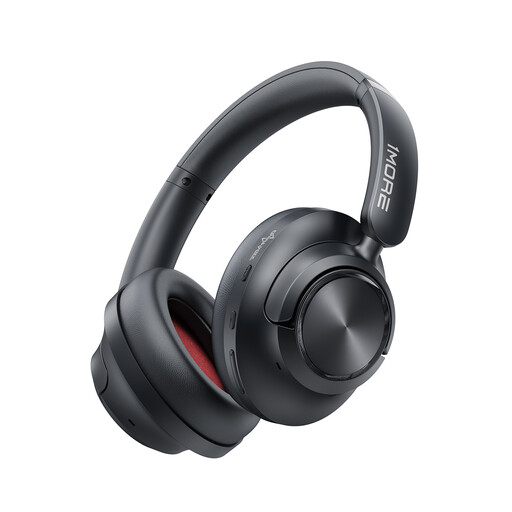 No image available
These over-ear headphones are an option if you’re looking for ANC and adjustable sound profiles for repeat listening comparisons.
The product name lists THX Spatial Audio and 50 dB ANC. Before ordering, check the exact version and battery life for each operating mode.
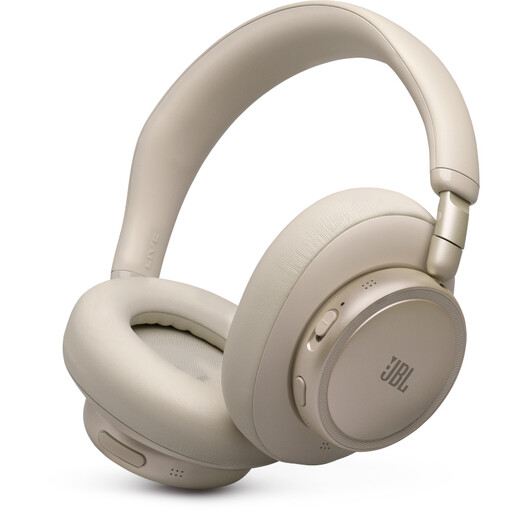 No image available
These over-ear headphones are worth considering if you want ANC and the option to adjust the sound profile in the JBL app.
True Adaptive Noise Cancelling and app EQ are listed for this model. Check that your intended audio source works with the setting you want to use.
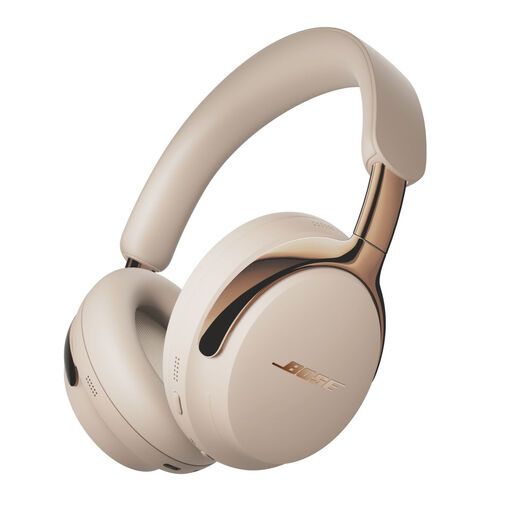 No image available
These ANC over-ear headphones are a good fit if you want to choose between wireless listening and using a suitable wired audio source.
Bose quotes up to 30 hours of battery life, or 23 hours with 360-degree sound. A 2.5 mm to 3.5 mm audio cable is listed.
Not necessarily. The European Union Aviation Safety Agency explains that airlines decide which portable electronic devices can be used during each phase of a flight; the crew may also restrict their use. Check your airline’s rules and follow the crew’s instructions on board.
First, check the socket on the specific aircraft. JBL says the Tour One M3 can be used with the supplied 3.5 mm cable; the separate Smart Tx version has a transmitter with a 3.5 mm input. This doesn’t guarantee compatibility with every in-flight entertainment system.
Look for a good-fitting pair of headphones and consider ANC, rather than relying on higher volume alone to compensate for cabin noise. The WHO recommends taking listening breaks and keeping an eye on your sound exposure; this doesn’t guarantee that any particular model will protect your hearing.
For purchases from a trader, EU consumer information says you have a legal guarantee of at least two years from the seller; an additional manufacturer’s warranty doesn’t replace it. In Germany, online orders generally come with a 14-day cancellation period from the date you receive the goods, subject to legal exceptions. The consumer advice centre recommends checking the specific returns process.
It depends on the airline and the device. Lufthansa recommends carrying personal electronic devices and batteries in hand luggage wherever possible. Check the conditions set by every airline on your trip rather than assuming Lufthansa’s guidance applies to other airlines.