
Lieferung heute & morgen

Qualitätsgarantie

Willkommens-Angebote freischalten: KOSTENLOSE Lieferung | Bis zu 80 % RABATT | Kostenlose 30-Tage-JoyPlus-Testphase
App herunterladen
A floating shelf seems like a simple solution: it creates storage space, showcases your decor, and has an elegant, unobtrusive look. However, the selection is vast, and not every model delivers on its promise. Many buyers only discover after installation that the shelf sags, the surface is delicate, or the mounting hardware was unsuitable for their wall. This guide will help you navigate the common pitfalls and find a functional, durable floating shelf that perfectly suits your needs.
Before you make a decision, you should be aware of the most common problems that often only become apparent after the purchase.
To avoid a bad purchase, focus on three core technical aspects that determine the quality and functionality of your floating shelf.
The choice of material affects not only the appearance but also the durability and suitability for different rooms.
The stated maximum load capacity is a critical value. It depends on two factors: the stability of the shelf itself and the included mounting system.
Think carefully about what you want to place on the shelf. The depth of the shelf is crucial here.
Here are some recommendations tailored to specific needs and use cases.
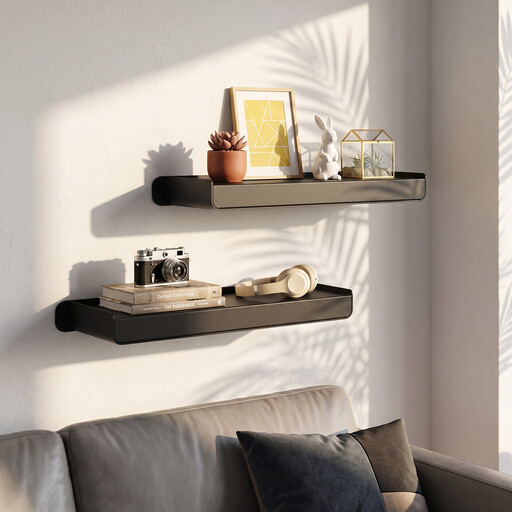
Why This Fits Their Persona: Ideal for users seeking a minimalist yet highly functional shelf. The award-winning design blends seamlessly into modern living concepts while offering high load capacity for books, plants, or kitchen utensils.
The aluminium construction is waterproof and rust-resistant, avoiding the material pitfall (unsuitable for bathroom/kitchen). The specified load capacity of up to 20 kg provides reliable stability, bypassing the trap of weak mountings.
High load capacity (up to 20 kg); premium aluminium material is water and rust-resistant; winner of the German Design Award 2022.
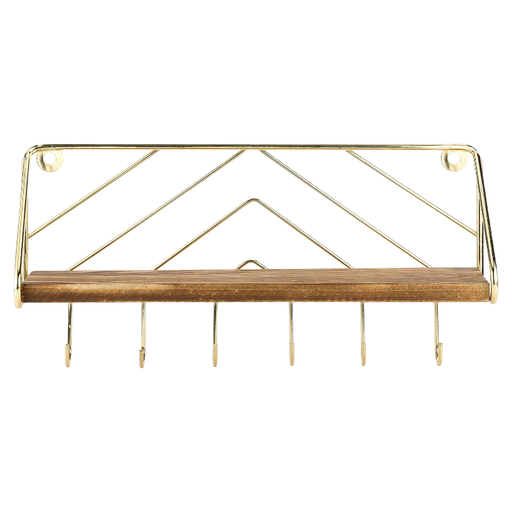
Why This Fits Their Persona: Perfect for anyone looking to create order in the entryway or hallway. This model combines a shelf for mail or a smartphone with hooks for keys, making it a multifunctional solution for small spaces.
As a specialised key rack with a shelf, its function is clearly defined and the construction is designed for it. The solid wood is more robust than cheap alternatives, and the metal hooks are firmly anchored, ensuring a long service life.
Combines a shelf surface and 6 key hooks; space-saving design made of solid wood and metal; ideal for hallways and entryways.
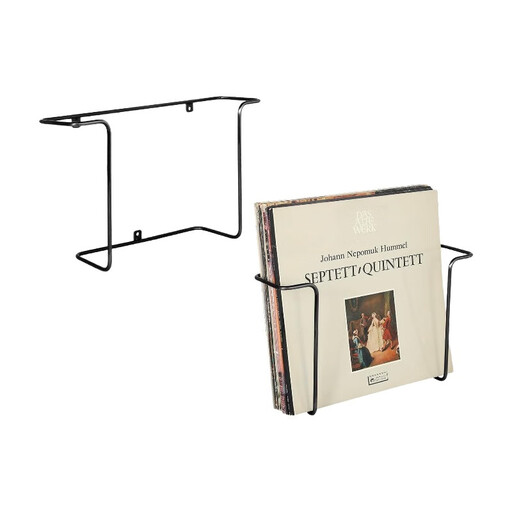
Why This Fits Their Persona: For music lovers who want to display their record covers like works of art. This shelving system is specially designed for storing LPs and transforms a collection into a decorative wall feature.
This shelf is a niche product with a clear purpose. It avoids the trap of unclear function and inadequate dimensions, as it is designed specifically for 10 and 12-inch records. The sturdy metal construction ensures a secure hold.
Specially designed for displaying vinyl records; minimalist wire design that highlights the covers; durable metal construction.
We've compiled a complete, up-to-date list of products that fully meet these strict selection criteria and safety requirements.
The load capacity varies significantly depending on the model, material, and wall condition. Simple decorative shelves often only support 2-5 kg. High-quality models made of solid wood or metal with a stable anchoring system can hold 15 kg or more. Always check the manufacturer's specified maximum load capacity and ensure that your wall (and the anchors used) is suitable for this weight.
For damp environments like the bathroom, water-resistant materials are essential. Shelves made of aluminium, stainless steel, or plastic are recommended. If you prefer a wooden wall shelf, make sure it has been specially treated for humid rooms (e.g., with a high-quality lacquer or special oils) or is made from a naturally moisture-resistant wood species like teak or bamboo.
A secure installation is crucial. Always use the appropriate anchors for your wall type: universal anchors for concrete and solid brick, hollow-wall anchors for drywall. Use a spirit level to align the shelf perfectly horizontally. Drill the holes precisely and deep enough for the anchors. Tighten the screws firmly, but avoid "over-tightening," as this can damage the anchor in the wall. If you are unsure or have very heavy shelves, it is advisable to seek professional help.