
Lieferung heute & morgen

Qualitätsgarantie

Willkommens-Angebote freischalten: KOSTENLOSE Lieferung | Bis zu 80 % RABATT | Kostenlose 30-Tage-JoyPlus-Testphase
App herunterladen
The selection of floor cleaners can be overwhelming. From simple mops to electric wet-dry vacuums, every system promises effortless floor cleaning. But not every solution delivers on its promise. Often, ill-considered purchases lead to frustration, damaged floors, or unexpected follow-up costs. Before you make a decision, it's important to know the most common pitfalls.
A common problem is the assumption that one product is suitable for all floors. Wet floor wipes with aggressive cleaners can permanently damage unsealed parquet or oiled wood floors. Another point is hidden costs: budget-friendly starter kits with disposable wipes can become more expensive in the long run than a system with a washable replacement pad. Finally, some models tend to spread dirt rather than pick it up because their mop pad isn't designed for the specific type of dirt or floor surface.
This guide will help you avoid these problems and make an informed choice that suits your household, your floors, and your standards of cleanliness.
To find the right floor cleaning system, you should consider three core aspects. These determine not only the cleaning performance but also the durability and running costs.
The core of any floor cleaner is the pad that makes direct contact with the floor. The choice of material is crucial for the cleaning result.
The mechanics of the system determine its efficiency and range of application.
Not every floor can handle every type of cleaning. Caution is especially advised for sensitive surfaces like wood or laminate.
Based on the criteria mentioned, we have compiled a few products for different user profiles and requirements.
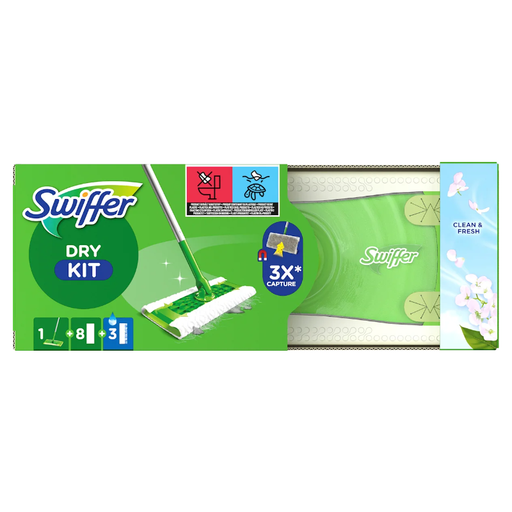
Why This Fits Their Persona: Ideal for people in smaller apartments or for anyone looking for a simple, fast solution for daily removal of dust and light dirt. Its light weight and easy handling make it perfect for in-between cleanings.
The set makes a clear distinction between dry dusting cloths and wet cleaning wipes. This prevents an unsuitable cloth from being used on a sensitive floor. The ongoing costs are transparent through the purchase of refill packs.
Complete starter kit for both dry and wet cleaning. The dry cloths use an electrostatic charge to effectively trap dust, dirt, and hair.
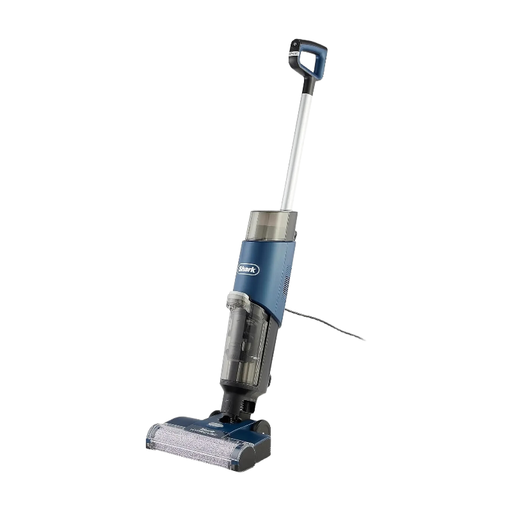
Why This Fits Their Persona: Perfect for households with children, pets, or large hard floor areas. Anyone who wants a time-saving and hygienic deep clean will benefit from the combined vacuuming and mopping function, which also removes stubborn dirt.
This device doesn't just spread dirt around; it actively suctions it up. The two-tank system separates fresh water from dirty water, ensuring you're always cleaning with a clean solution. The rapid drying is gentle on sensitive floors like laminate.
3-in-1 Cleaning: Vacuums, mops, and self-cleans in one. The antimicrobial brush roll and self-cleaning function ensure lasting hygiene.
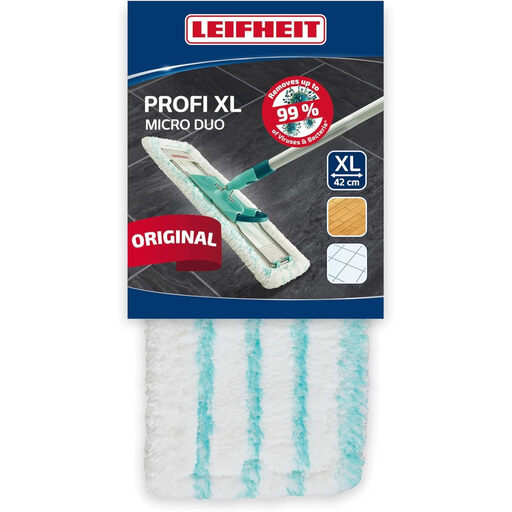
Why This Fits Their Persona: For users who prefer a durable, reusable system and want to maintain control over the cleaning agents they use. This pad (compatible with the Leifheit Profi XL system) is an investment in a long-term, eco-friendly cleaning solution.
As a washable replacement pad, it avoids the ongoing costs and waste of disposable wipes. The 2-fibre system effectively picks up dirt instead of just spreading it around and is suitable for almost all floors.
2-Fibre System: Slightly raised special bristles loosen stubborn dirt, while the fine microfibre absorbs dirt and water. Washable at 60°C for hygienic cleanliness.
We have compiled a complete, up-to-date list of products that fully meet these strict selection criteria and German safety regulations.
The lifespan of a washable mop pad depends on the frequency of use and the quality of the material. A high-quality replacement pad for a mop made of microfibre can be washed many times at 40°C or 60°C. It is recommended to replace the pad when its cleaning performance noticeably declines, the fibres become matted, or the pad is damaged. For hygienic floor cleaning, it is advisable to use several pads in rotation.
Not necessarily. Many wet floor wipes are part of a specific system (e.g., Swiffer) and have a specific size and attachment method. Furthermore, the ingredients in the cleaning solution are not suitable for all floors. For example, wipes designed for tiles are often too aggressive for parquet care. Always check the compatibility and suitability for your floor type on the product packaging.
The key to cleaning laminate properly is to minimise moisture. Use a microfibre floor cloth that is only damp. Wring out the pad as much as possible. Alternatively, a wet-dry vacuum is a great choice, as it immediately suctions up the dirty water, and the floor dries very quickly. Avoid steam cleaners and letting puddles of water stand on the floor.