
Lieferung heute & morgen

Qualitätsgarantie

Willkommens-Angebote freischalten: KOSTENLOSE Lieferung | Bis zu 80 % RABATT | Kostenlose 30-Tage-JoyPlus-Testphase
App herunterladen
A suitable floor cleaner can pick up dust, liquids and stubborn dirt in a single pass. However, steam cleaners, wet-and-dry vacuum cleaners and wet-dry vacuums differ considerably in terms of technology, maintenance and suitable surfaces. Focusing solely on wattage, the amount of accessories or high suction power can mean overlooking important details.
A wattage rating mainly describes the amount of electrical power consumed; it does not automatically indicate actual cleaning performance. With a wet-and-dry vacuum cleaner, brush design, water flow, filters and the separation of clean and dirty water also play a role. For a steam cleaner, steam pressure, heat-up time, tank capacity and temperature range are more informative than wattage alone.
A multifunctional floor cleaner with numerous attachments may be suitable for grout, windows, upholstery and car interiors. However, what matters is whether the attachments can be changed easily and then dried hygienically. Small nozzles and hoses require thorough cleaning after use to prevent residue from building up.
Laminate, untreated wood, delicate veneers and some natural stone surfaces can be affected by moisture or high temperatures. Before using the device for the first time, check the care instructions for your flooring and test the cleaner on an inconspicuous area. A steam cleaner for floors is therefore not automatically suitable for every type of flooring.
With a steam cleaner, higher pressure makes it easier to loosen stubborn dirt. The temperature specification indicates how hot the steam produced can become. According to the ASPIRON CA019 Steam Cleaner product specifications, the device operates at 1,500 watts, 4 bar, producing steam of up to 145 °C, and has a 1.5-litre water tank.
A larger tank extends the possible operating time, but usually also adds to the weight and the amount of water that needs to be heated. For a home with several hard-floor surfaces, a larger reservoir can be practical. For spot cleaning or occasional tasks, a more compact device is often sufficient.
A wet-dry vacuum or cordless floor cleaner should ideally have separate water compartments. This prevents dirty water from being spread across the floor again. Important factors include:
According to the product specifications, the Bissell CrossWave OmniForce Edge Select has a 0.63-litre clean water tank, a 0.44-litre dirty water tank, up to 30 minutes of runtime and a charging time of approximately four hours. Runtime may vary depending on the cleaning mode and whether the brush roller is activated.
A steam cleaner uses hot water vapour and can provide chemical-free cleaning on suitable materials. This does not mean that every type of dirt can be removed without pre-treatment, nor does it guarantee a medical-grade disinfecting effect.
A wet-and-dry vacuum combines dry pick-up with mopping. It is primarily suitable for sealed hard floors, while a carpet cleaner requires special brushes and controlled moisture delivery. If you want to clean carpets, upholstery and floors with one device, check whether the manufacturer expressly intends the relevant attachments for these surfaces.
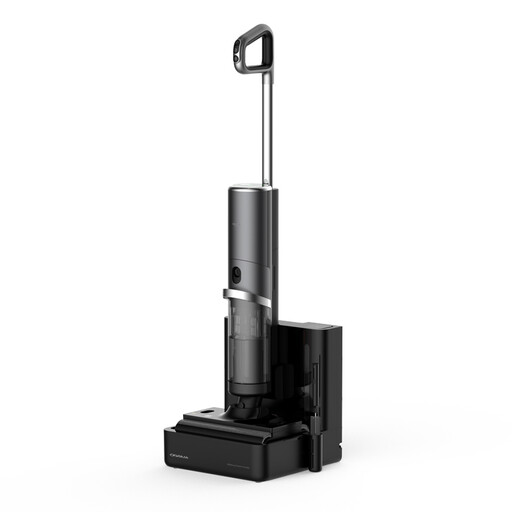
Why this product suits this profile: According to the product specifications, this cordless device combines vacuuming and mopping and is designed for daily use in flats and houses. Its stated runtime of up to 40 minutes may be sufficient for several rooms.
The separate water compartments help keep clean and dirty water apart. After each use, the dirty water tank and filter must be emptied or cleaned.
Cordless operation, vacuuming and mopping functions, plus a stated runtime of up to 40 minutes. Check the tank capacity and features on the product page before buying.
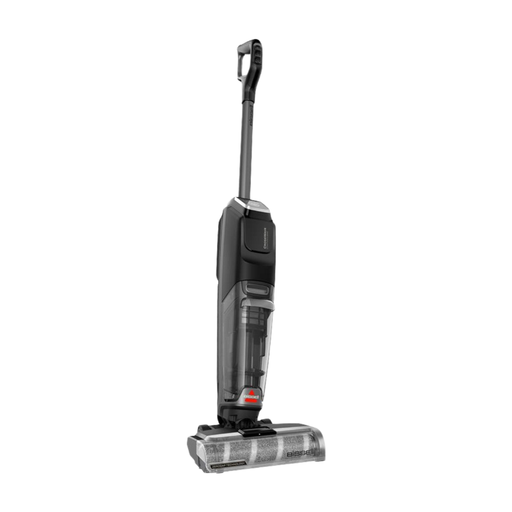
Why this product suits this profile: This model combines dry and wet cleaning, offers three speed settings, an LCD display and PTFE filtration. According to the product specifications, it is designed for hard floors, tiles and carpets.
Separating the water reduces the risk of spreading dirty water again. Cleaning after every use, including the brush roller and filter, is still necessary for proper maintenance.
0.63-litre clean water tank, 0.44-litre dirty water tank, LCD display and up to 30 minutes of runtime according to the product data. The device carries a CE marking according to the description.
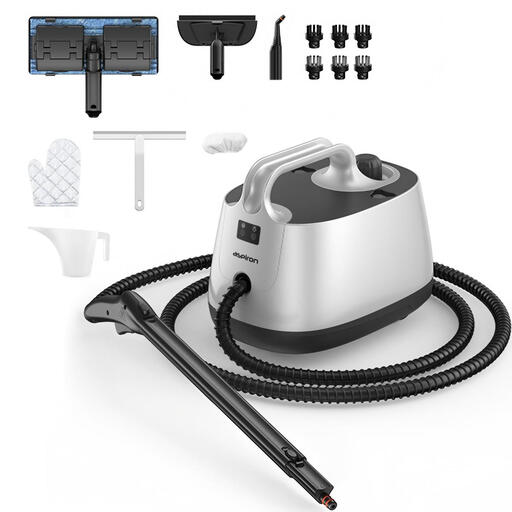
Why this product suits this profile: According to the product description, this steam cleaner comes with 21 attachments for floors, windows, grout, upholstery, carpets and car interiors. This makes it suitable for households that want to clean several surfaces with one system.
Observe the usage limits carefully: do not use it on unsuitable surfaces, with flammable liquids or without testing the material first. Hot steam requires particular care.
1,500 watts, 4 bar, steam temperatures of up to 145 °C, a 1.5-litre tank and 21 accessories according to the product specifications. It is designed for use without added cleaning chemicals.
The ongoing costs of a floor cleaning device involve more than just electricity. Filters, brush rollers, cleaning solutions and, where applicable, replacement parts should also be taken into account. A wet-and-dry vacuum requires the dirty water tank to be emptied and cleaned after every use. With a cordless floor cleaner, charging time and the potential need to replace the battery are also relevant.
A few basic rules apply to safe use:
We have put together a complete, regularly updated list of products that fully meet these strict selection criteria and the safety regulations applicable in the EU.
For pet hair on hard floors, a wet-and-dry vacuum or wet-dry vacuum cleaner can be practical, provided the brush roller and filter are easy to clean. For carpets, look for an explicitly stated carpet suitability and an appropriate dry or wet cleaning function.
Service life depends on frequency of use, maintenance, filter care and proper storage. Regular rinsing, thorough drying and removing hair from the brush roller can help maintain functionality. It is not possible to give a general service-life estimate regardless of the model.
That depends on how it is used. A steam cleaner generally requires water and electricity, while a wet-and-dry vacuum cleaner also uses consumable parts and, depending on the model, cleaning solution. A steam cleaner is not designed for dry dust; for picking up both dust and liquids, a wet-and-dry vacuum cleaner may be the more suitable type of device.