
Lieferung heute & morgen

Qualitätsgarantie

Willkommens-Angebote freischalten: KOSTENLOSE Lieferung | Bis zu 80 % RABATT | Kostenlose 30-Tage-JoyPlus-Testphase
App herunterladen
The right floor cleaner should remove dirt effectively, protect your flooring and fit easily into your daily routine. Yet eye-catching advertising claims often lead to the wrong purchase. A product designed for tiles isn’t automatically suitable for laminate or parquet, and a powerful machine can cause damage if used incorrectly.
The label “suitable for all floors” tells you little about how compatible a product really is with different materials. Sealed wood, laminate, vinyl, linoleum, natural stone and WPC all need different amounts of water, cleaning solution or pressure. Always check the manufacturer’s instructions, and test a new floor-care product on an inconspicuous area first.
A pressure washer or electric cleaning brush can tackle stubborn dirt. However, high pressure, stiff bristles or excessive heat can damage the finish on delicate surfaces. For indoor floors, a well-wrung-out mop or a suitable hard-floor cleaner is often all you need.
When choosing a machine, check whether brushes, mop pads, filters or specialist cleaning solutions are included. Energy consumption, water use and the cost of replacement parts also affect the overall price. So a low purchase price doesn’t automatically make something the most economical option.
For laminate, parquet, sealed wood and cork, remember: use only a barely damp mop and avoid leaving standing water. A laminate or parquet cleaner should be explicitly approved for the relevant surface. Tiles, unglazed ceramic and hard-wearing stone surfaces can usually tolerate more moisture, but unsuitable care products can leave streaks.
If you’re using a concentrated cleaner, follow the stated dilution ratio. For example, emsal Floor Care Cleaner specifies 75 ml per 5 litres of water. Stick to the recommended amount to prevent sticky residue.
The cleaning width determines how many passes you’ll need to cover an area. The Leifheit Profi XL Micro Duo has a 42 cm mop width, while the Kärcher PCL 6 is designed for patios, with a 300 mm working width. A 360-degree swivel joint makes it easier to manoeuvre around furniture, chair legs and corners.
For electric machines, cable length, battery life, tank capacity and weight also matter. According to the product details, the Dyson PencilWash Wet Floor Cleaner weighs 2.1 kg, runs for up to 30 minutes and has a 300 ml clean-water tank. That can be handy for small to medium-sized hard-floor areas, while larger households may need to refill it more often.
A patio cleaner with rotating brushes works differently from a pressure-washer attachment. The Kärcher PCL 6 uses four counter-rotating brush rollers, has a 300 mm working width and delivers a water flow of up to 180 l/h at 4 bar. According to the product description, it operates at low pressure and is designed for wood and WPC surfaces.
A steam mop uses heat and should only be used on sealed hard floors approved for steam cleaning. It isn’t suitable for unsealed wood or delicate coatings. Also follow the safety instructions concerning hot steam outlets and surfaces.
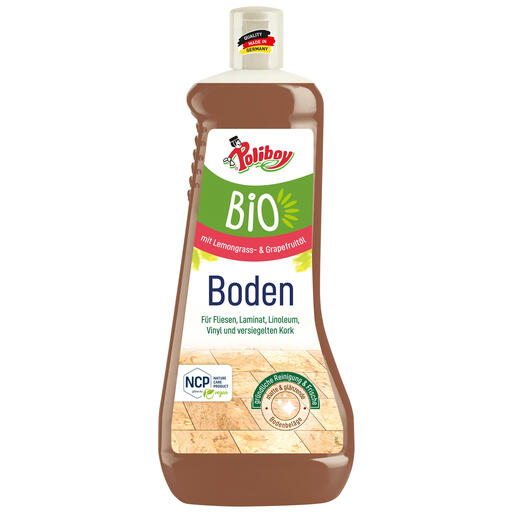
Why it’s a good match: This liquid cleaner is designed for wipe-clean floors, including tiles, laminate, linoleum, vinyl and sealed cork. It’s a handy choice for homes with several types of flooring.
The product details clearly state which surfaces it’s for and how to use it. According to the product information, its formula is based on natural active ingredients, is vegan and is made without animal testing.
1-litre bottle; designed for several wipe-clean hard floors; grapefruit and lemongrass fragrance.
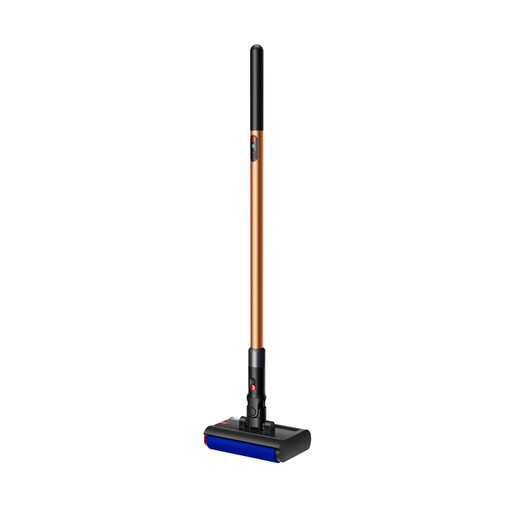
Why it’s a good match: This cordless cleaner has separate clean- and dirty-water tanks. It’s designed to pick up wet and dry dirt from hard floors in one go.
The run time of up to 30 minutes and the tank capacities are clearly stated. This makes it easier to decide whether it’s suitable for your home before you buy.
2.1 kg; two cleaning modes; charging dock and drip tray included.
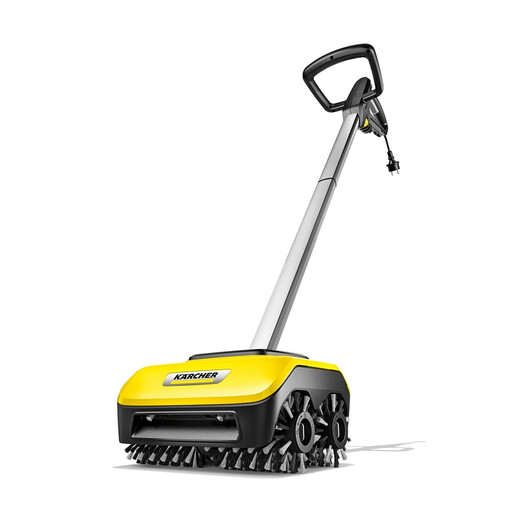
Why it’s a good match: If you have a wooden or WPC patio, this cleaner gives you four counter-rotating brush rollers, a water feed and a splash guard.
The cleaner is specifically described as suitable for wood and WPC surfaces. Suitable brush rollers for stone patios are available separately.
300 mm working width; 600–800 revolutions per minute; adjustable water flow and 230-volt connection.
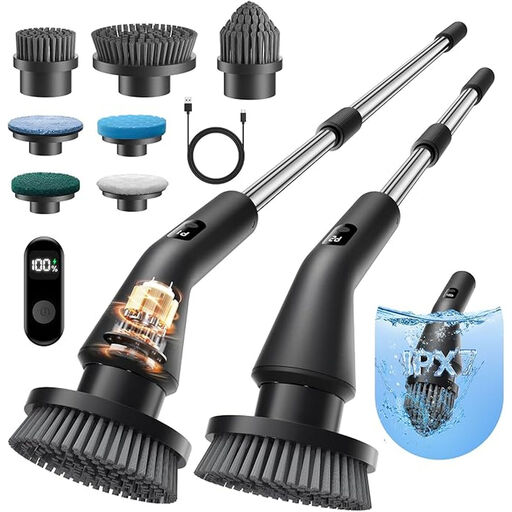
Why it’s a good match: This electric cleaning brush comes with seven brush heads, two speed settings and an extendable handle. It’s designed for floors, kitchens, bathrooms and hard-to-reach spots.
The two speed settings let you adjust the cleaner to suit the surface. Before use, check that the brush is not too stiff and that the floor is water-resistant.
350 and 450 revolutions per minute; up to 90 minutes’ run time; handle extends from 30 to 127 cm.
We’ve put together a complete, regularly updated list of products that meet these strict selection criteria and fully comply with the safety regulations in force in the EU.
A lightly diluted floor-cleaning solution approved for laminate is a good choice. The amount of moisture matters more than the fragrance. The floor shouldn’t be left wet.
It depends on the size of your household, whether you have pets, how much dirt gets brought in and how heavily the floors are used. You can remove loose dirt regularly, then damp-clean the floor when needed. Using too much cleaning solution can leave residue.
An electric hard-floor cleaner, steam mop or cleaning brush can save time on large areas, stubborn dirt or frequent cleaning. For smaller rooms, a mop with a suitable pad is often enough. The key things to consider are compatibility with your flooring, replacement parts, reach and how much cleaning the machine needs after use.