
Lieferung heute & morgen

Qualitätsgarantie

Willkommens-Angebote freischalten: KOSTENLOSE Lieferung | Bis zu 80 % RABATT | Kostenlose 30-Tage-JoyPlus-Testphase
App herunterladen
A floor cleaner can make cleaning the kitchen, bathroom and living spaces much easier. However, devices differ considerably in terms of their area of use, maintenance requirements and features. If you only focus on motor power, discount offers or a long list of accessories, you might end up buying a device that doesn't suit your floor type and dirt profile in everyday life.
A classic floor mop spreads liquids but often only picks up hair incompletely. A steam mop removes dirt with hot steam, but it is not automatically designed for loose crumbs or larger amounts of liquid. A wet-dry vacuum cleaner, on the other hand, is designed to pick up both dry and wet dirt simultaneously.
Before buying, you should therefore be clear about whether the device will mainly be used for light maintenance cleaning, stubborn stains or spilled liquids.
A cordless floor cleaner offers freedom of movement, but it must be charged after the specified running time. What matters is not just the maximum advertised minutes, but also the charging time, cleaning mode and tank size. For larger flats, a corded device with a long cable can be more practical.
A steam mop works without cleaning agents, provided the manufacturer allows it. However, the high temperature and moisture are not suitable for every surface. Unsealed wood, delicate coatings or open grout can be problematic. Before first use, you must check the care instructions from your floor manufacturer and the device's user manual.
A hard floor cleaner with a roller is particularly suitable for sealed hard floors and can pick up both wet and dry residue. A steam mop makes sense if cleaning with water and steam without additional chemicals is your priority. An electric cleaning scrubber works with rotating brushes and is especially useful for grout, shower areas and stubborn, stuck-on deposits.
Important: claims like "suitable for all floors" should not be taken at face value. What matters are the explicitly named surfaces and the instructions regarding water, cleaning agents and temperature.
With cordless devices, you should compare three values:
The Dyson PencilWash Wet Floor Cleaner, for example, is specified with up to 30 minutes of running time, a 300 ml clean water tank and a 340 ml dirty water tank. According to the product specifications, the weight is 2.1 kg.
For tiles, grout and bathtubs, the choice of attachments is often more important than a high wattage. A tile brush with a long handle can make working on wall surfaces and the floor easier. An adjustable telescopic handle reduces the need to bend down frequently. With an electric cleaning scrubber, you should also check the rotation speed, brush material, splash protection and spare parts availability.
An IPX7 rating describes the device's protection under the conditions defined by the manufacturer. It does not automatically mean that every device can be permanently submerged. The user manual and safety instructions remain the definitive guide.
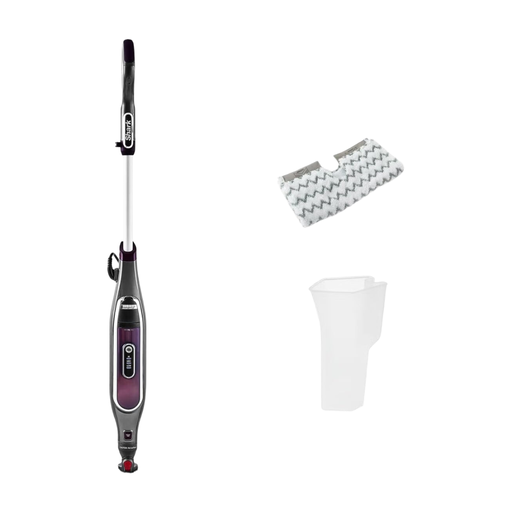
Why this product fits the profile: This steam mop is designed for sealed hard floors and, according to the product description, requires no cleaning agents. The 6-metre cable is suitable for longer cleaning runs without needing to recharge a battery.
The adjustable steam control prevents you from being stuck with a single steam mode for different sealed hard floors. Before use, check that your floor is approved for steam cleaning.
30-second heat-up time, two washable cleaning pads and a flip-down mopping head.
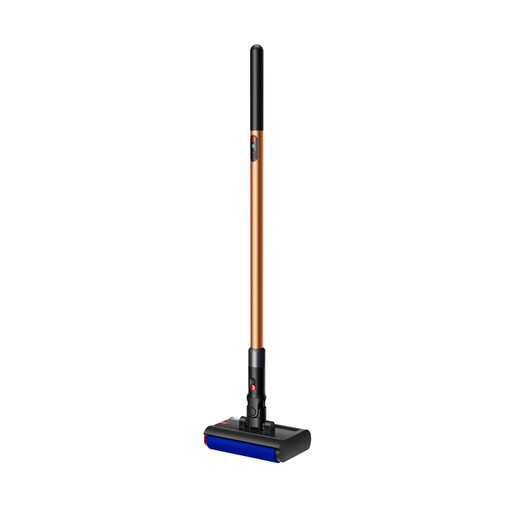
Why this product fits the profile: This device combines the collection of wet and dry dirt with a microfibre roller. The low-profile body is reportedly 15 cm high, which can be relevant for reaching under low furniture.
The separate clean and dirty water tanks make it clear when water needs to be changed or disposed of. The running time of up to 30 minutes should match the size of your home.
2.1 kg weight, two cleaning modes and a roller with a reported 64,000 microfibre filaments.
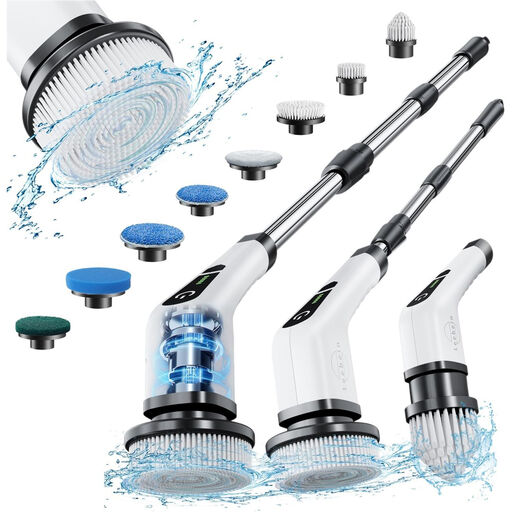
Why this product fits the profile: This electric cleaning scrubber is designed for the bathroom, kitchen, tiles and other hard surfaces. The adjustable handle reportedly extends from 30 to 137 cm.
The eight attachments reduce reliance on a single brush shape. For delicate coatings, test first on an inconspicuous area.
USB-C charging, up to 90 minutes of running time, two speeds and IPX7 water protection according to the product description.
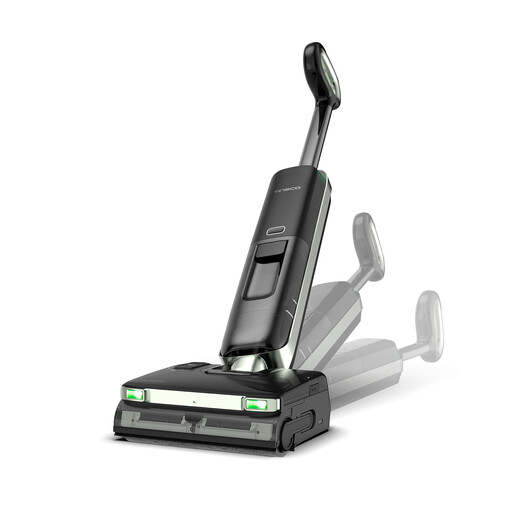
Why this product fits the profile: A wet-dry vacuum cleaner is designed for the combined collection of liquids and dry dirt. The product name mentions, among other things, a 9.9 cm low-profile body and a 23 kPa value.
This device class suits households where spilled liquids, hair and dry particles regularly occur together. You will need to factor in tank and device maintenance.
Low-profile body according to the product name, wet-dry function and a designated Flashdry function.
With a floor cleaner, ongoing costs arise in addition to the purchase price. These include electricity, water, cleaning pads, filters, brush rollers and possibly cleaning agents. Washable pads can reduce the consumption of disposable materials, but they must be completely dried after each use.
For devices with a water tank, the dirty water tank should be emptied and rinsed out after cleaning. Brushes and rollers should be cleaned according to the instructions. With steam mops, you must only use the water specified by the manufacturer. The Shark S6003EU, for example, explicitly states that you should not put any cleaning agents, fragrances or vinegar into the tank.
For grout and stubborn deposits, an electric scrubber may be more suitable than a classic floor mop. For daily liquid spills, a wet-dry vacuum cleaner is usually a better fit. If you only need to remove dust and light marks, a conventional floor mop might suffice.
We have put together a complete, regularly updated list of products that fully meet these strict selection criteria and the safety regulations in force in the EU.
A wet-dry vacuum cleaner or a hard floor cleaner with a suitable roller is designed for this purpose. A pure steam mop or floor mop can spread liquids and only pick up dry dirt to a limited extent.
The usable time depends on the battery, cleaning mode, brush resistance and maintenance. When making your buying decision, you should check the specified running time, the charging time and the availability of spare batteries. The maximum figure often applies to a specific operating mode.
Not every tile and not every grout line is automatically suitable for steam. Sealed, heat-resistant surfaces are generally more suitable than delicate coatings or damaged grout. Before first use, check the information from your floor manufacturer and the safety instructions for the steam mop.