
Lieferung heute & morgen

Qualitätsgarantie

Willkommens-Angebote freischalten: KOSTENLOSE Lieferung | Bis zu 80 % RABATT | Kostenlose 30-Tage-JoyPlus-Testphase
App herunterladen
Stubborn stains, pet hair, spilled liquids and dirty grout are part of everyday life in many British households. Floor and household cleaning appliances can simplify these tasks, but they differ significantly in terms of their intended use, maintenance requirements and ongoing costs. If you only focus on battery life or a large number of accessories, you risk overlooking important details.
Claims like "up to 90 minutes" usually refer to specific operating levels and not necessarily to use with a rotating brush or under heavy load. With a cordless floor cleaner, the actual runtime in intensive mode may be shorter. So, when choosing, you should also consider:
An electric cleaning scrubber with multiple brush heads is versatile, but it needs the correct attachment for each surface. Hard bristles can damage delicate coatings or unsealed materials. Before buying, you should establish whether the device is intended for tiles, grout, glass, sanitary surfaces, kitchen worktops or floors.
A wet/dry vacuum picks up liquids and dry dirt, but it has additional components such as a fresh water tank, dirty water tank, filter and brush roll. If these aren't rinsed and dried regularly, odours can develop. For devices with wear parts, the availability of replacement brush rolls or a replacement mop head is a practical cost factor.
For sealed hard floors, a hard floor cleaner with a suitable soft roller is ideal. If you want to clean carpets and hard floors with one device, look for explicit suitability for both surfaces. A floor mop, on the other hand, usually works without a suction unit and has a simpler design.
For bathrooms, grout and hard-to-reach areas, a bathroom cleaning brush or spin scrubber is more practical. Check whether the brush head is replaceable and whether the rotation speed can be adjusted.
With a wet/dry vacuum, a separate tank system prevents fresh and dirty water from mixing. For example, the BISSELL CrossWave OmniForce Edge Select 3999N has a fresh water tank with 0.63 litres and a dirty water tank with 0.44 litres. The model also features PTFE filtration and an LCD display.
Capacity isn't the only important factor – accessibility matters too: can the tanks, filter and roller be removed without tools? Can they dry completely? Are the manufacturer's cleaning solutions recommended? These points have a greater impact on day-to-day use than a single performance specification.
A cordless cleaning appliance offers freedom of movement, but it should feel balanced in your hand. An extendable handle can make floor cleaning easier, while a compact attachment is useful for sinks and corners. For water-carrying devices, pay attention to the specific ingress protection rating. An IPX7 classification doesn't automatically mean the entire device can be permanently submerged. The instruction manual remains the definitive guide.
Before using on delicate surfaces, it's advisable to test on an inconspicuous area. Electrical appliances should only be used with water, cleaning agents and charging accessories in accordance with the manufacturer's instructions.
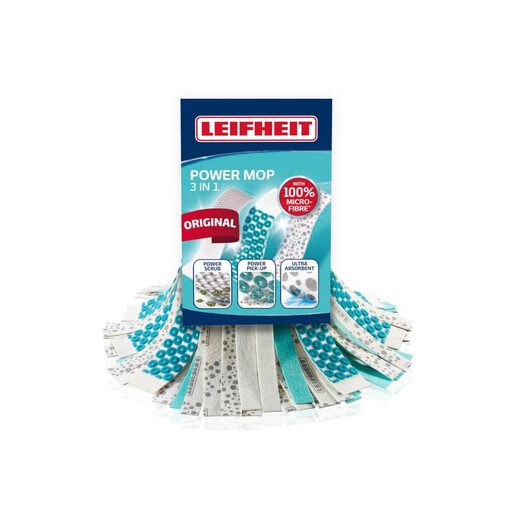
Why this product suits the profile: For households that already own a suitable handle and simply want to replace a worn-out mop part, a single replacement mop head is a straightforward solution.
Compatibility with standard handles featuring a screw thread should be checked before purchase. This avoids an unnecessary complete purchase.
Microfibre and viscose content, three designated cleaning zones and machine washable at 60 °C.
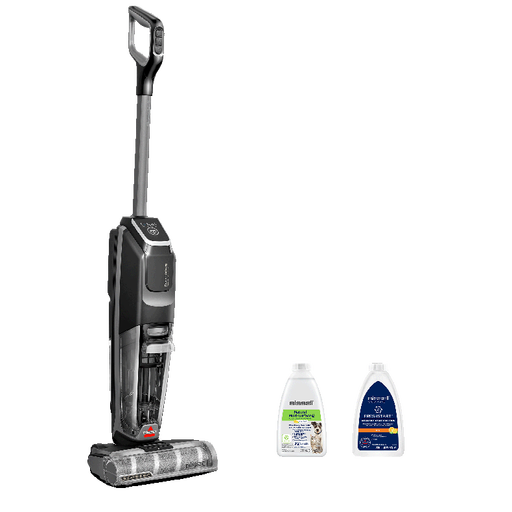
Why this product suits the profile: This cordless cleaning appliance is aimed at users who want to combine vacuuming and mopping of hard floors, as well as picking up dry debris, in a single device.
The separate tanks and the stated anti-tangle brush roll address typical maintenance points. However, the roller and filter still need to be cleaned after use.
Up to 40 minutes of battery life according to the product specification, ZeroGap technology for edge-to-edge cleaning and a 0.66-litre fresh water tank.
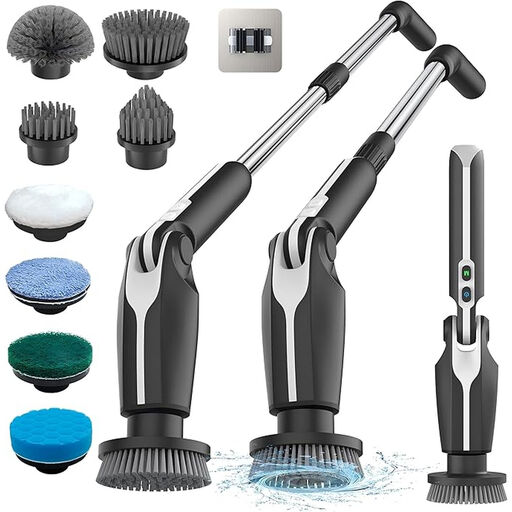
Why this product suits the profile: If you want to clean bathrooms, kitchens, windows, vehicles and hard-to-reach areas with an electric cleaning scrubber, you get several interchangeable attachments and an adjustable handle.
The two rotation speeds allow you to adapt to the task. Before use, the appropriate brush head should be tested on the surface in question.
Eight interchangeable brush heads, USB-C charging technology, IPX7 water protection and a handle with a length of 38 to 132 cm according to the product description.
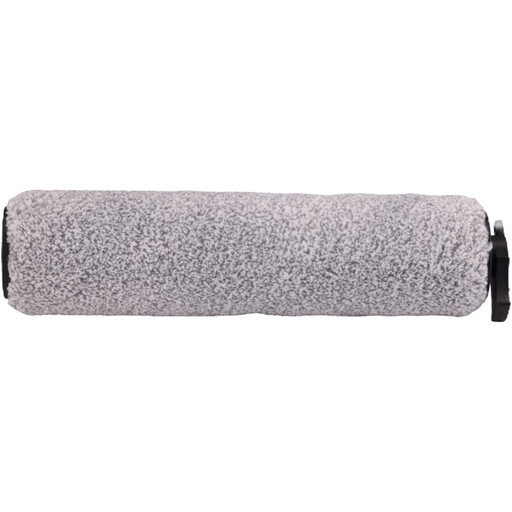
Why this product suits the profile: For existing BISSELL CrossWave HF2 or HF3 devices, a suitable replacement brush roll is often more sensible than buying a new floor cleaner.
Compatibility is specifically for the CrossWave HF2 and HF3 series. The model number and device name should be checked before ordering.
Original BISSELL replacement part with soft microfibre material, intended for sealed hard floors.
We've put together a complete, regularly updated list of products that fully meet these strict selection criteria and the safety regulations in force in the EU.
After each wet cleaning, the dirty water tank, brush roll and filter should be emptied, rinsed and dried completely. This doesn't automatically extend the lifespan, but it does reduce build-up and makes the next use easier. Cleaning solutions should only be used in the dosage recommended by the manufacturer.
With a spin scrubber, ongoing costs mainly come from wear on brush heads and the battery. With a wet/dry vacuum, depending on the model, you'll also need replacement brush rolls, filters and cleaning solution. Before buying, it's worth checking the availability of these parts and the recommended replacement intervals.
For tiled floors, a hard floor cleaner or floor mop is suitable, provided the surface is approved for the material in question. For grout, shower walls, sinks and corners, a bathroom cleaning brush with the right attachment is ideal. Delicate or unsealed surfaces should first be tested on an inconspicuous area.
The lifespan depends on the battery, charging habits, cleaning frequency and care of the moving parts. A general figure in years isn't reliable. Pay attention to warranty conditions, replaceable wear parts and the availability of replacement brush rolls or attachments.
In addition to electricity for charging, water, suitable cleaning solution, filters and brush rolls can all incur costs. The actual expenses depend on the floor area, cleaning mode and frequency of use. If you mainly remove dry dust, you'll generally need fewer consumables than with regular wet cleaning.