
Lieferung heute & morgen

Qualitätsgarantie

Willkommens-Angebote freischalten: KOSTENLOSE Lieferung | Bis zu 80 % RABATT | Kostenlose 30-Tage-JoyPlus-Testphase
App herunterladen
Floor-cleaning appliances should save you time and tackle different types of dirt. In practice, though, not every appliance suits every floor type or household. Families with children, pet owners and working professionals often need different features from those who only clean hard floors occasionally.
A figure such as ‘25,000 Pa’ describes an appliance’s maximum suction power, but on its own it tells you little about the brush design, navigation, filtration or how well it actually handles carpets and hard floors. A robot vacuum with a mopping function can clean large areas on its own, but it won’t necessarily replace manual cleaning on stairs, upholstery or heavily soiled edges.
A steam cleaner or steam mop uses heated water and can clean suitable, sealed surfaces without chemicals. However, unsealed wood, delicate laminate, cork and other moisture-sensitive surfaces can be damaged by heat and moisture. Before use, check the floor manufacturer’s care instructions and test the appliance in an inconspicuous area.
A self-cleaning function on a vacuum mop or wet-and-dry vacuum makes it easier to care for the brushes and tubes. However, you’ll still need to empty or clean the dirty-water tank, filters, seals and clean-water tank regularly. With a robot vacuum, you’ll also need to look after the dust bag, water tanks, mop pads and docking station.
When cleaning parquet and laminate, it’s important to control how much moisture is used. A traditional floor mop with a well-wrung-out head is often a better choice than an appliance that continuously releases a lot of water. For tiles, sealed stone or vinyl, steam cleaners and hard-floor cleaners are also options, provided the floor manufacturer allows this type of cleaning.
For carpets, look for an appliance with a vacuum-only mode, automatic carpet detection or a way to separate the mopping and vacuuming functions mechanically. A mop-lift function stops damp pads from passing over carpeted areas.
When choosing a cordless vacuum cleaner or wet-and-dry vacuum, always consider the stated battery life alongside the power setting. The Eureka NEW400, for example, offers up to 30 minutes of operation. That may be enough for a flat or individual areas, but larger spaces may require recharging or splitting the cleaning into stages.
Tank capacity matters too. A smaller water tank reduces the appliance’s weight, but means more frequent interruptions. Separate clean- and dirty-water tanks stop collected dirty water from being spread around again.
An automatic docking station needs space and a dry, level surface. Before buying, check:
With automatic floor cleaning, it’s also worth checking whether you’ll need to remove cables, small objects and pet bowls before every cleaning cycle. Even modern obstacle detection can’t eliminate every risk of objects getting trapped or knocked over.
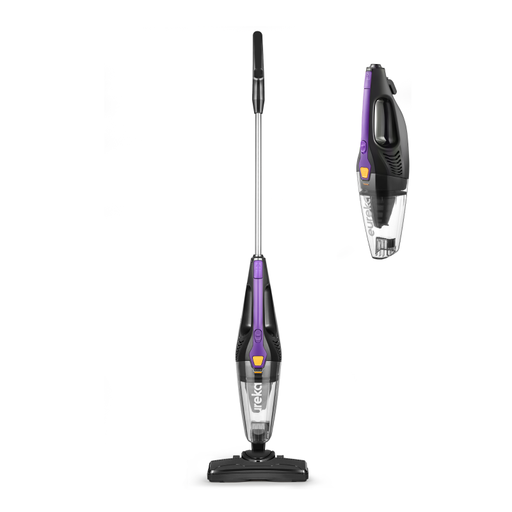
Why this product suits your needs: This corded stick vacuum is designed for dry dirt on hard floors and carpets, including low-pile carpets, and doesn’t need battery charging.
Powered by an 18-foot cable, it avoids the limitations of battery life. It’s not designed for liquids or wet dirt.
3-in-1 design, 0.6-litre dust container, 360-degree swivel steering and washable filtration system.
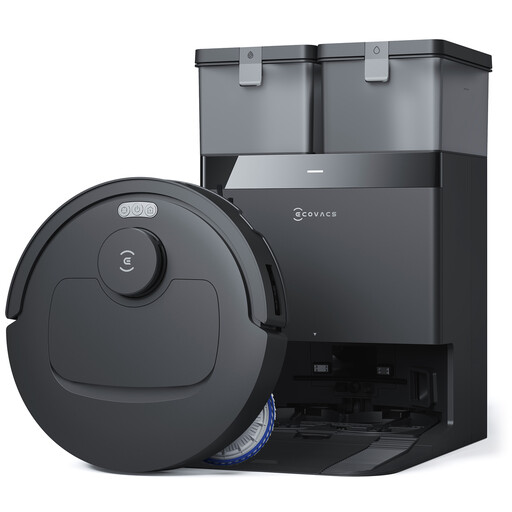
Why this product suits your needs: Homes with large hard-floor areas and carpets that need regular cleaning can benefit from app control, laser navigation and an OMNI station.
The mop pads can lift automatically on carpets. Even so, cables and small objects should be cleared away before each cleaning cycle.
Stated suction power of 25,000 Pa, up to 180 minutes of battery life, automatic dust emptying and mop washing at 75 degrees.
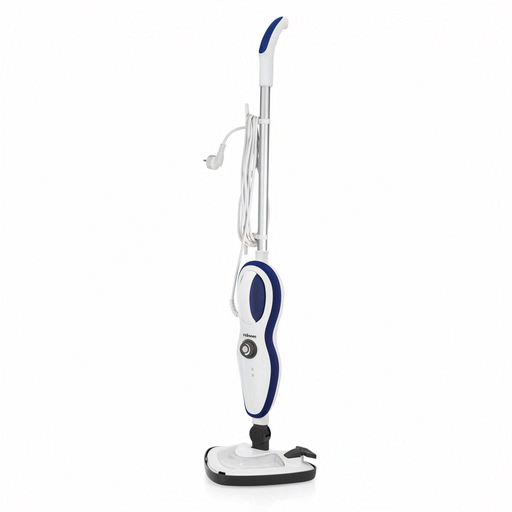
Why this product suits your needs: For sealed hard floors, tiles and selected surfaces, this appliance combines an upright steam mop with a detachable handheld cleaner.
The product specifications state a heat-up time of around 30 seconds and a detachable 0.4-litre tank. The key consideration is still whether the appliance is suitable for your particular floor.
1,500 watts, 1 bar steam pressure, five-metre cable and handheld use with accessories.
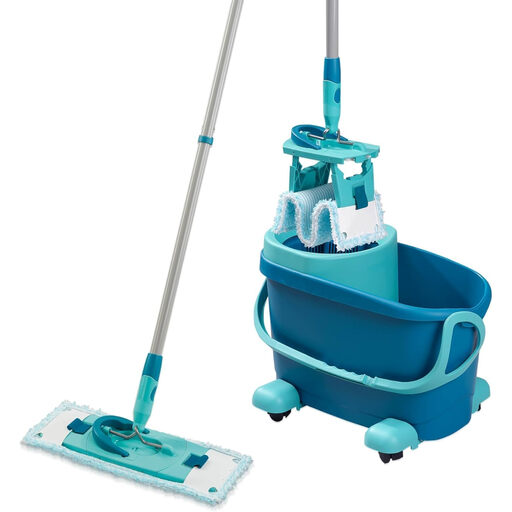
Why this product suits your needs: If you have delicate hard floors or floors that are sensitive to moisture, you can control the amount of water used with the built-in wringing mechanism.
The mop head can be wrung out to reduce excess moisture. The floor manufacturer’s care instructions should always be followed.
6-litre bucket with wheels, adjustable handle from 109 to 140 cm, 360-degree swivel joint and soft microfibre mop head.
We’ve put together a complete, regularly updated list of products that meet these strict selection criteria and fully comply with the safety regulations in force in the EU.
Before buying, remember to budget for consumables and cleaning products. These include filters, brush rollers, mop heads, dust bags and, where needed, cleaning solution. A vacuum mop with a self-cleaning function can reduce the amount of manual work, but still needs clean water and regular tank maintenance.
When using concentrated floor cleaners, follow the dilution instructions on the label. According to the product information, emsal Floor Care Cleaner should be diluted at 75 ml per five litres of water and is suitable for various sealed floors. For stone and tiled floors, emsal Stone & Tile specifies two capfuls per five litres of water. Always follow the instructions on the packaging and the floor manufacturer’s care advice.
For removing pet hair, look for a motorised brush, an easy-to-access roller and a design that makes hair easy to remove. Anti-tangle systems on robot vacuums can reduce the amount of maintenance needed. For sofas, stairs and hard-to-reach places, a cordless vacuum cleaner or handheld vacuum is often a useful choice.
Lifespan depends on how often you use the appliance, how well you maintain its filters, the availability of spare parts and whether you store it properly. After every wet-cleaning session, empty the dirty-water tank and dry the components as directed. Batteries are consumable parts; corded appliances don’t have this limitation on running time.
As well as electricity, you’ll need to factor in the cost of water, cleaning products, filters, brushes, mop pads and, for some docking stations, dust bags. A steam mop usually only needs water, while a robot vacuum with a mopping function may use additional cleaning solution and replacement parts, depending on the model. So it’s not just the purchase price that matters: you should also consider the availability and cost of consumables.