
Lieferung heute & morgen

Qualitätsgarantie

Willkommens-Angebote freischalten: KOSTENLOSE Lieferung | Bis zu 80 % RABATT | Kostenlose 30-Tage-JoyPlus-Testphase
App herunterladen
A clean home doesn’t start with the most expensive appliance. It starts with the right combination of floor type, dirt and cleaning method. When it comes to floor cleaning, households have plenty of options to choose from: floor cleaners, hard floor washers, wet and dry vacuum cleaners, steam mops, floor mops and specialist care products, each with its own benefits.
Some marketing claims can quickly lead to the wrong purchase. A cordless hard floor washer can be handy for everyday cleaning, but it won’t necessarily replace the careful treatment delicate floors need. A steam mop isn’t suitable for every surface, and an inexpensive cleaner can leave streaks or residue if it’s not diluted correctly.
A high figure in pascals or watts only tells you part of the story. Brush design, water pick-up, edge cleaning and drying time all matter when it comes to floor cleaning. Even a powerful appliance can be impractical if it’s hard to manoeuvre or needs a thorough clean after every use.
Laminate, parquet, vinyl, tiles and natural stone all react differently to water, heat and cleaning products. Too much moisture can be particularly problematic for parquet, cork and laminate. Before you buy, check whether the manufacturer explicitly lists your specific surface as suitable.
A self-cleaning hard floor washer will usually rinse the roller or internal tubes. You’ll still need to empty and dry the dirty water tank, filter, brush cover and seals regularly. Otherwise, odours and deposits can build up. Automatic hot-air drying can reduce the effort involved, but it doesn’t replace checking the components.
For sealed wood, laminate and vinyl, choose appliances that apply only a small amount of water and pick it up again straight away. For parquet floor care and laminate cleaner, look for a low recommended dose and use a well-wrung-out mop head. Care products must be suitable for your surface and used according to the label.
Tiles and many stone surfaces can usually handle more moisture. With natural stone, however, porosity and sealing are important. A tile cleaner isn’t automatically suitable for marble, terrazzo or porous stone. Read the manufacturer’s instructions before first use.
A cordless hard floor washer gives you more freedom to move around, but its run time is limited by battery capacity and charging time. For small to medium-sized homes, 30 to 40 minutes may be enough. If you have a larger area to clean, also consider the tank capacity.
A corded wet and dry vacuum cleaner is better suited to coarse dirt, spills, cellars, workshops or car interiors. It’s usually larger and less manoeuvrable than a compact hard floor cleaner, though.
Removable tanks, washable filters, easy-to-access brushes and a clear water-level indicator are all useful features. If you want to spend less time on maintenance, look for a self-cleaning function and a drying unit. Even so, empty the dirty water as soon as possible after cleaning and clean the components as instructed.
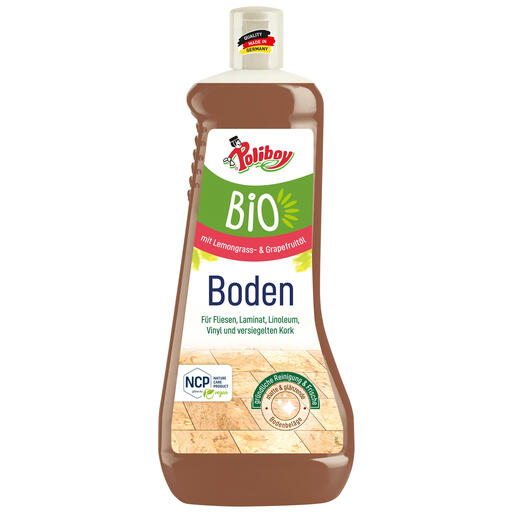
Why it suits this kind of buyer: This liquid floor cleaner is designed for washable floors such as tiles, laminate, vinyl, linoleum and sealed cork. It’s suitable for regular cleaning without the need for an appliance.
It’s used diluted, making it easier to control how much cleaner you use than if you were to overuse a concentrated product.
Suitable for several types of washable flooring; the product description says the formula is based on natural active ingredients.
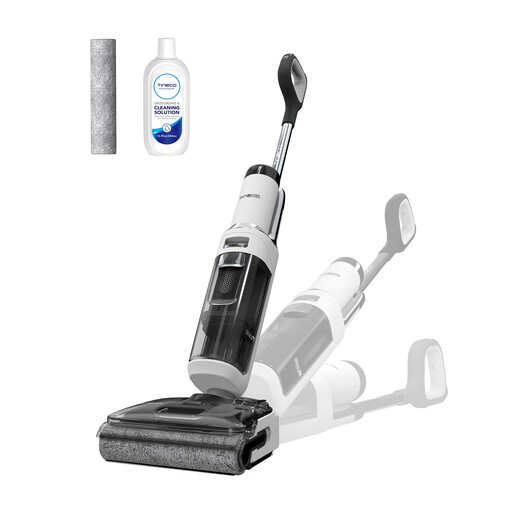
Why it suits this kind of buyer: Designed for hard floors, this appliance has a slim 180-degree design and a stated reclined height of 13 cm, making it easier to clean under furniture.
Its stated run time of up to 40 minutes and three-sided edge cleaning make it easy to assess the features that matter when you’re choosing an appliance.
180-degree slim design, 13 cm reclined height, 5-minute FlashDry self-cleaning and up to 40 minutes’ run time, according to the product details.
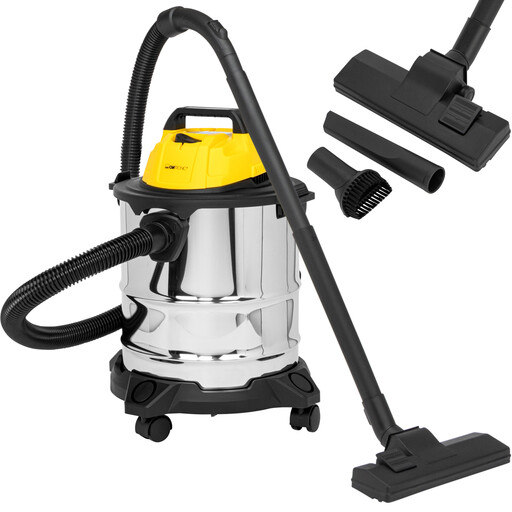
Why it suits this kind of buyer: This vacuum cleaner is designed for homes and workshops, and for anyone who wants to clean more than just floors, including cars, cellars, garden areas and renovation debris.
It’s not simply a hard floor washer: it’s clearly described as a wet and dry vacuum cleaner, with separate attachments and a blower function.
1,200 watts, 20-litre tank, 5-metre cable, three suction tubes and washable permanent filters, according to the product description.
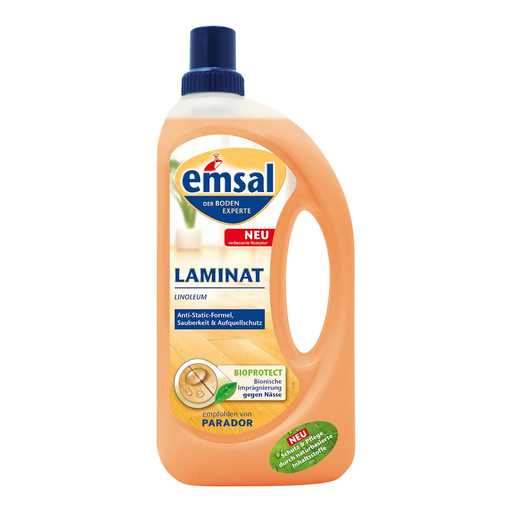
Why it suits this kind of buyer: According to the manufacturer, this care product is suitable for laminate, cork, vinyl, design flooring and linoleum, and is used with only a small amount of water.
The instructions specifically recommend using a well-wrung-out mop head and warn against using too much moisture on laminate, parquet and cork.
Suitable for several moisture-sensitive hard floors; the product details say it won’t leave a film when used as directed.
We’ve put together a complete, regularly updated list of products that meet these strict selection criteria and fully comply with the safety regulations in force in the EU.
It depends on how the floor is used, your household and how dirty it gets. Hallways, kitchens and areas where pets spend time usually need more frequent vacuuming and mopping than rooms that are rarely used. Dry cleaning first removes grit and hair before you mop.
A floor cleaner costs less to buy initially and, with a suitable floor mop, is a good choice for regular care. A hard floor washer can save time if you often want to vacuum and mop at the same time. However, you’ll also need to factor in the cost of electricity, filters, rollers and, where applicable, cleaning solution.
Its lifespan depends on the battery, brushes, filters and how well it’s maintained. Rinsing it regularly, letting it dry completely and following the instructions can help reduce wear and tear. Before buying, it’s worth checking whether replacement parts and consumables are available.