
Lieferung heute & morgen

Qualitätsgarantie

Willkommens-Angebote freischalten: KOSTENLOSE Lieferung | Bis zu 80 % RABATT | Kostenlose 30-Tage-JoyPlus-Testphase
App herunterladen
A good floor cleaning routine doesn’t start with the most expensive gadget – it starts with the right combination of floor type, dirt level and cleaning schedule. In British households, the requirements vary significantly: while tiles generally tolerate moisture and stronger cleaning, laminate, parquet and cork need a much drier, more careful approach. Homes with pets add hair, sand and small particles into the mix.
If you only focus on big power ratings or flashy marketing claims, you’ll often miss the crucial details. Three typical buying mistakes crop up time and again:
For smooth hard floors, a mop with a well-wringable head is often sufficient. A bucket with a wringer can help you control the water content more evenly and keep your hands dry when wringing out. On laminate, sealed wood and cork especially, the mop head should only be barely damp. Always follow the floor manufacturer’s care instructions first.
On tiles, vinyl, PVC or stone, cleaning can be a little wetter depending on the surface. Even so, standing water should never be left to sit. A microfibre mop head picks up dirt particles, but if it’s not cared for properly it can end up spreading dirt around instead. After use, rinse the head, let it dry completely and wash it according to the manufacturer’s instructions.
A vacuum cleaner removes dust, sand and pet hair before you start mopping. For smaller flats or hard-to-reach areas, a cordless vacuum cleaner can give you more freedom of movement. A corded model, on the other hand, works without needing a recharge, but you’ll need a socket and some cable management.
When comparing vacuum cleaners, don’t just look at the maximum power. What really matters is:
For cleaning in pet-owning households, a tangle-resistant brush roll and an easy-to-empty container are very practical. Power ratings like “Pa” or “W” should be seen as technical specifications, not as the sole proof of cleaning performance.
A floor cleaner must be suitable for the surface. With concentrates, the dilution ratio is critical. Using too much can cause streaks, sticky residue or unnecessary wear on the surface. Always check the label, safety warnings and your floor’s care instructions before use.
This is especially important with aggressive or biocide-containing products. Domestos Hygiene Cleaner with active chlorine, according to the product information, has a corrosive and environmentally hazardous effect. This product must not be mixed with other cleaners, as dangerous gases can be released. The safety precautions and usage instructions on the packaging are binding.
A steam cleaner works with water and can be an option for suitable, heat-resistant surfaces. According to the product information for the steam cleaner mentioned, unsealed wood, delicate textiles, heat-sensitive plastics and cold glass are not suitable for use. Always test on an inconspicuous area first.
The recommendations below are organised by usage scenario. What matters isn’t a general ranking, but how well they match your floor type, living space and cleaning habits.
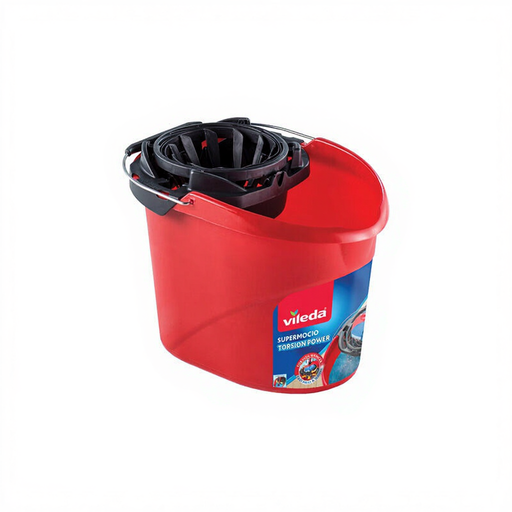
Why this product fits the profile: This set combines a 10-litre bucket with a wringing system and is ideal for households that prefer to mop without an electrical appliance.
The wringer design is aimed at controlled moisture and avoids having to wring out by hand. The matching mop should be checked separately for compatibility.
10-litre capacity, practical pour spout and ergonomic handle according to the product description.
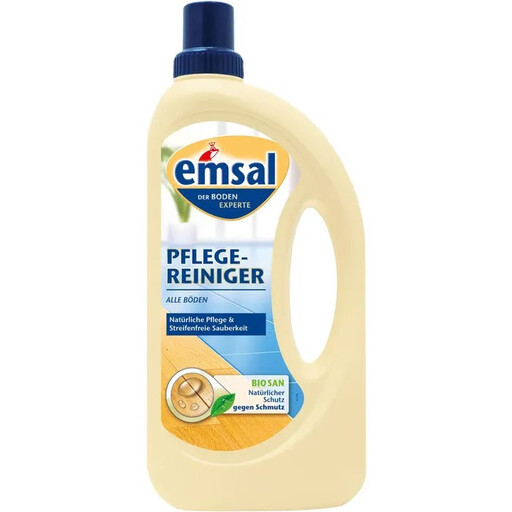
Why this product fits the profile: This concentrate is designed for numerous sealed hard floors, including tiles, laminate, vinyl, PVC, stone and sealed wood.
The product information specifies a clear dilution ratio of 75 ml to 5 litres of water. This reduces the risk of overdosing, but doesn’t replace checking your floor manufacturer’s instructions.
1-litre concentrate and intended use on various sealed hard floor types.
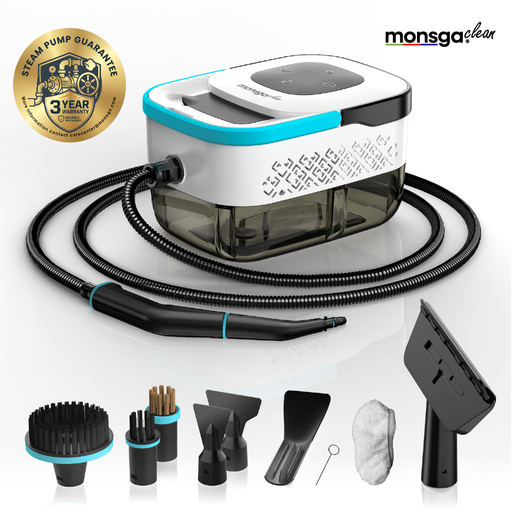
Why this product fits the profile: For larger households or additional cleaning tasks on suitable hard surfaces, this appliance offers a 1.6-litre tank and multiple steam levels.
The instructions advise against using cleaning agents, alcohol and fragrances in the tank. It also warns against use on unsealed wood, delicate fabrics and directing steam at cold glass.
1500 W, stated heat-up time of 15 seconds, 3.5 bar steam pressure and six steam levels according to the product data.
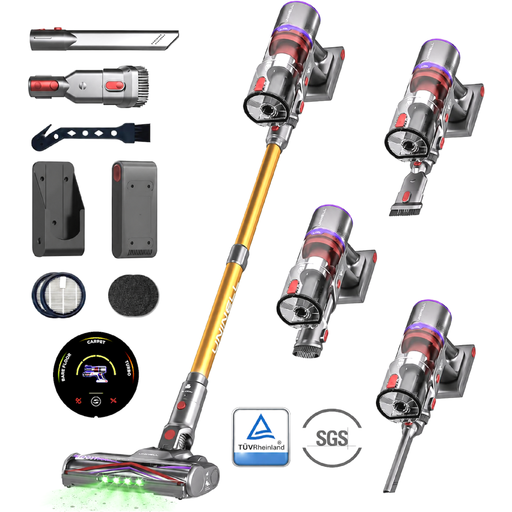
Why this product fits the profile: According to the product description, this cordless vacuum is designed for hard floors, carpets, pet hair, as well as upholstery, stairs and tight spaces.
The stated runtime depends on the selected mode. The removable battery, maintenance instructions and anti-tangle brush should be checked against your own cleaning needs before buying.
700-ml dust container, up to 65 minutes stated runtime, LED display and 180° flat cleaning according to the product data.
We’ve put together a full, regularly updated list of products that fully meet these strict selection criteria and the safety regulations in force in the EU.
Before you order a mop system, cleaning product or vacuum cleaner, make sure you’ve clarified these points:
How often depends on the floor type, your household and how dirty it gets. Dust and pet hair can be vacuumed daily if needed. Damp mopping is usually a good idea when there’s visible dirt, or when the floor manufacturer recommends regular care. Mopping too often or too wet can damage sensitive surfaces.
For laminate, a well-wrung mop is generally easier to control. A steam cleaner should only be used if the floor manufacturer explicitly allows the combination of heat and moisture. If you’re unsure, test it on an inconspicuous area first.
Washable mop heads and filters can cut down on disposable products, as long as you care for them according to the manufacturer’s instructions. With concentrates, stick to the recommended dilution ratio. For cordless vacuum cleaners, runtime, charging time and the availability of a spare battery are important factors for long-term use.