
Lieferung heute & morgen

Qualitätsgarantie

Willkommens-Angebote freischalten: KOSTENLOSE Lieferung | Bis zu 80 % RABATT | Kostenlose 30-Tage-JoyPlus-Testphase
App herunterladen
Whether it’s tiles in the bathroom, laminate in the living area or natural stone in the hallway, the right floor cleaning approach depends on more than just the cleaning product. The material, amount of moisture, equipment setup and maintenance effort all determine whether your floor gets clean without being subjected to unnecessary stress.
Many poor purchases come down to three typical pitfalls:
Before buying, you need to know whether you have a water-resistant, sealed or open-pored floor. Tiles, vinyl, PVC and linoleum are generally suitable for damp cleaning. With parquet, laminate, cork and sealed wood, however, the mop should only be used barely damp.
A floor cleaner or hard floor cleaner is only suitable if the manufacturer explicitly names the specific floor type. A product intended for both wood and stone may still have limitations. This applies, for example, to unsealed surfaces, glazed tiles or fine stoneware.
For regular maintenance cleaning, a well-wrung mop system is sufficient. A chenille or microfibre cover picks up dust and light soiling without needing a motor or battery.
A wet vacuum or wet-dry vacuum combines picking up dirt and mopping in one go. This can be practical in households with children, pets or larger hard floor areas. However, you need to consider the weight, run time, tank size and cleaning required after use.
For stubborn dirt on tiles, in the bathroom, garage or on the patio, a scrub brush with a long handle is ideal. Hard bristles and an integrated squeegee blade are often more practical there than a delicate microfibre cover.
Cleaning concentrates should be dosed according to the label. A higher concentration doesn’t automatically give better results and can leave residue. With wooden floors, it’s also important to wring out the water thoroughly and not leave any puddles.
For electrical appliances, clear technical specifications matter: weight, battery run time, clean and dirty water tanks, height and suitability for hard floors. Features like self-cleaning or a low profile can reduce maintenance effort, but they don’t replace emptying, rinsing and drying the components.
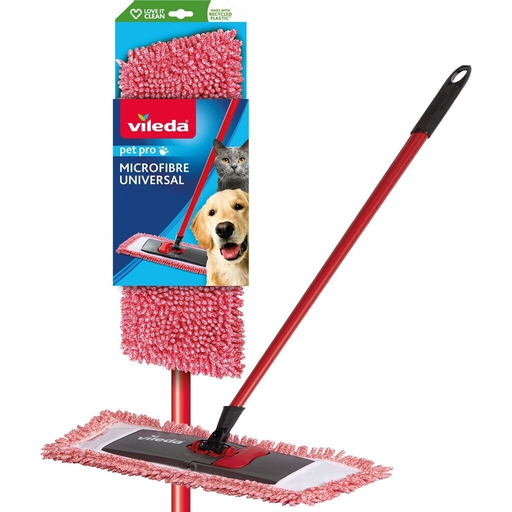
Why this product suits the profile: This manual mop system is ideal for households that want to clean smooth floors regularly, either dry or damp, and can do without a battery, charging station and dirty water tank.
The instructions require wringing out excess water. This makes it easier to adjust the moisture level for delicate floors.
Chenille cover made from 85% microfibre polyester and 15% viscose; trapezoidal mop head for corners and edges.
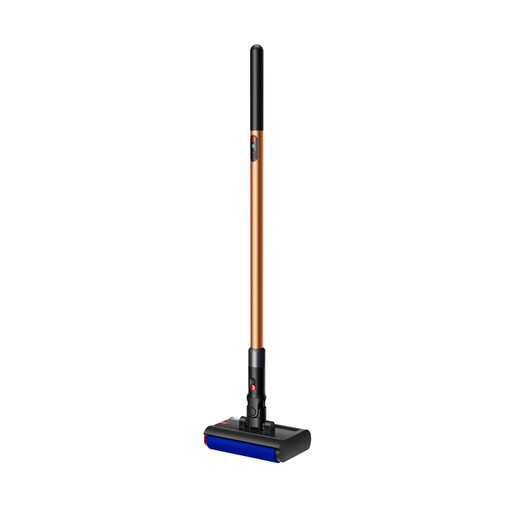
Why this product suits the profile: This cordless hard floor cleaner appeals to users who want to pick up wet and dry dirt in one go and prefer a comparatively slim device.
The technical specifications state a run time of up to 30 minutes and separate tanks for clean and dirty water. This makes it easier to assess suitability for your own floor area.
Weight of 2.1 kg, two cleaning modes, 300 ml clean water tank and 340 ml dirty water tank.
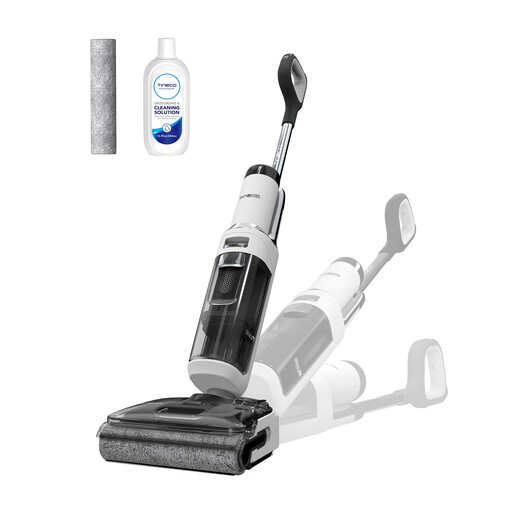
Why this product suits the profile: This device is aimed at private households or smaller commercial spaces with frequent cleaning needs and hard-to-reach areas under furniture.
The 180-degree design and a stated lying height of 13 cm make using it under lower furniture more predictable. The self-cleaning function still doesn’t replace regular drying.
Up to 40 minutes run time, three-sided edge cleaning, 70-degree drying and 4.5 kg device weight.
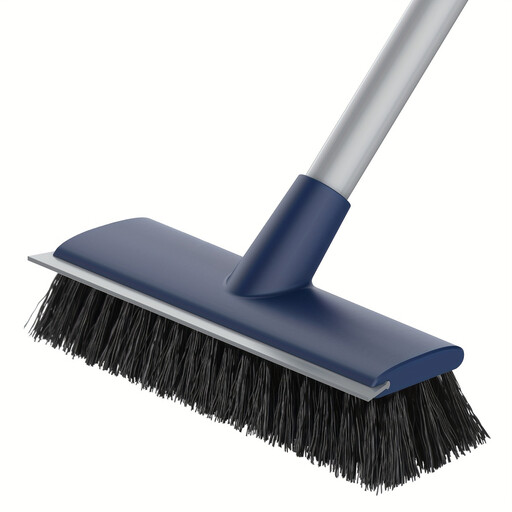
Why this product suits the profile: This scrub brush with a long handle is designed for bathrooms, tiles, garage, patio and other robust hard surfaces where mechanical scrubbing is needed.
Its clear design as a brush with a squeegee blade prevents a delicate mopping device from being used for heavy soiling.
Adjustable handle from 49.2 to 124 cm, 45-degree brush head and integrated rubber lip for removing water and dirt.
For ongoing floor care, the product must be explicitly suitable for your floor type. The emsal Floor Care Cleaner is stated by the manufacturer as suitable for sealed wood, cork, linoleum, vinyl, PVC, laminate as well as natural and artificial stone. The dosage is 75 ml per 5 litres of water; with wood, laminate and cork, the mop should be well wrung out.
The emsal Vollglanz Floor Cleaner, on the other hand, is not intended for laminate, unsealed wooden floors, glazed tiles and fine stoneware. This limitation shows why the full product information is more important than general terms like “for all floors”.
As another option, the POLIBOY Bio Floor Cleaner is described by the manufacturer as suitable for wipeable floors such as tiles, laminate, linoleum, vinyl and sealed cork. With every use, always follow the instructions on the label and packaging.
We’ve put together a complete, regularly updated list of products that fully meet these strict selection criteria and the safety regulations in force in the EU.
It depends on usage, the room and the level of soiling. Dust and loose particles can be removed regularly with dry cleaning. Damp floor cleaning in normally used living spaces is often sensible as needed. Entrance areas, kitchens and commercial spaces usually require shorter cleaning intervals.
The lifespan depends on the material, usage and care. A mop cover should be rinsed out and completely dried after each use. With a wet vacuum, emptying the tanks, cleaning the brush roller and filter, and using suitable cleaning products all extend the expected service life. Wear parts should be checked according to the manufacturer’s instructions.
In addition to the purchase price, there are costs for electricity, cleaning products and possibly replacement rollers or filters. A manual floor mop usually involves less ongoing technical expense. However, a wet vacuum can still be worthwhile if you regularly clean larger hard floor areas or need to deal with both dry and wet soiling at the same time.