
Lieferung heute & morgen

Qualitätsgarantie

Willkommens-Angebote freischalten: KOSTENLOSE Lieferung | Bis zu 80 % RABATT | Kostenlose 30-Tage-JoyPlus-Testphase
App herunterladen
Dust, crumbs, spilled liquids and pet hair are part of everyday life in many homes. When it comes to floor cleaning, advertised suction power alone does not determine whether a product will remain practical in the long term. The type of flooring, your cleaning routine, maintenance requirements and whether you want to tackle dry and wet dirt with one device are all crucial factors.
Figures such as watts, pascals or maximum runtime are only meaningful in relation to how the device is used. A cordless vacuum cleaner with high suction power may be suitable for pet hair, but it does not replace mopping. A wet and dry vacuum cleaner, on the other hand, can pick up dry and wet dirt, but is generally designed primarily for sealed hard floors.
Before buying, check the following:
When cleaning parquet and cleaning laminate, it is important to control the amount of moisture. Standing water can seep into joints and, depending on the construction or seal, increase the risk of damage. The manufacturer’s care instructions should also be followed for tiled floors, particularly where sensitive grout or natural stone surfaces are involved.
A microfibre mop with a wringing function allows you to control the moisture level. With electric wet and dry vacuum cleaners, use only the amount of liquid and cleaning solution specified by the manufacturer.
Depending on the model, a self-cleaning wet and dry vacuum cleaner may automatically rinse the brush roller or internal lines. This does not mean that all maintenance is unnecessary. The dirty-water tank, filter, seals and roller will generally still need to be emptied, rinsed and dried thoroughly. Otherwise, unpleasant odours may develop or cleaning performance may deteriorate.
Start by making an overview of the surfaces in your home:
If you are unsure whether a material is compatible with a cleaning product, test it on an inconspicuous area first.
A wet and dry vacuum cleaner combines vacuuming and mopping in a single process. This can be practical for kitchen spills, spilt drinks or pet mess. Look for separate clean- and dirty-water tanks, as this prevents you from continuing to mop with water that has already been collected.
For removing dust, crumbs and pet hair every day, a conventional cordless vacuum cleaner is often sufficient. A separate floor mop can then provide a flexible additional option.
A swivelling device head makes it easier to clean underneath furniture. With stick vacuum cleaners, the weight, position of the dust container and battery life are important. For manual mops, check the handle length, joint mobility and whether the mop heads are washable.
Useful questions to ask:
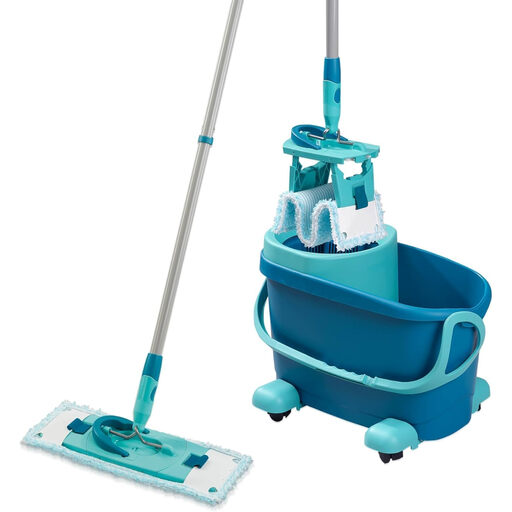
Why this product suits this profile: This set is ideal for households that want to care for parquet, laminate or sealed wood with a manual floor mop and a controlled amount of moisture. The 6-litre bucket with wringing mechanism needs neither a battery nor a charging station.
The integrated wringing function helps control the amount of moisture. This reduces the risk of using too much water on sensitive hard floors.
Telescopic handle from 109 to 140 cm, 360-degree joint and washable, soft microfibre mop head.
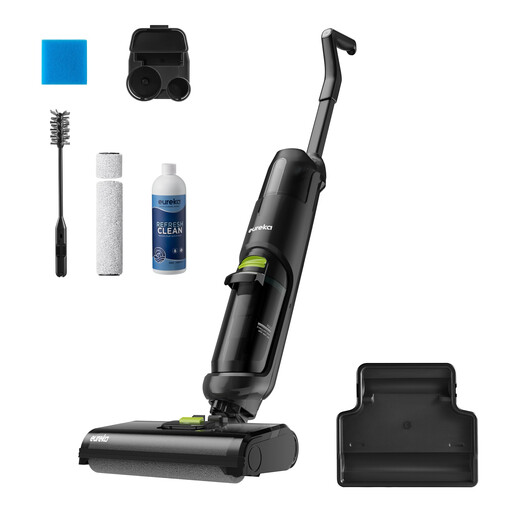
Why this product suits this profile: This cordless hard-floor cleaner is designed for households that want to tackle dry and wet dirt on sealed hard floors in a single process.
The separate clean- and dirty-water tanks prevent water that has already been collected from being spread around again. The self-cleaning function reduces direct contact with the brush roller, but does not replace drying the components afterwards.
Self-propulsion, swivelling brush head, simultaneous vacuuming and mopping, plus up to 30 minutes of battery operation according to the product description.
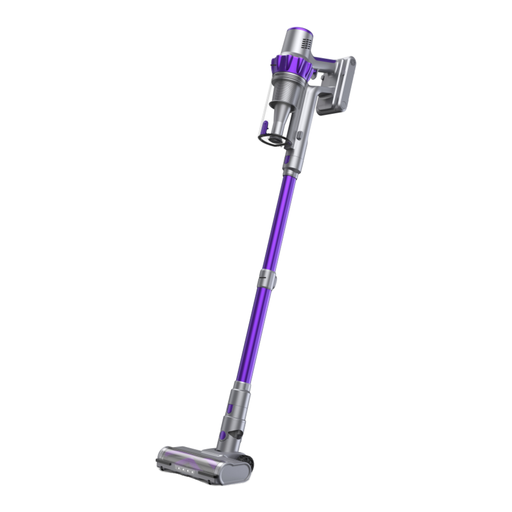
Why this product suits this profile: Families and pet owners get a cordless vacuum cleaner for dry dirt on hard floors and carpets, as well as for furniture, grout and hard-to-reach areas.
This device is not designed for wet dirt. This clear distinction prevents a dry vacuum cleaner from accidentally being used with liquids.
Touch display, 1.5-litre dust container, various power levels and a stated runtime of up to 55 minutes, depending on the setting and surface.
We have put together a complete, regularly updated list of products that fully meet these strict selection criteria and the safety regulations applicable in the EU.
Service life depends heavily on daily care. Empty dust containers and dirty-water tanks after use. Washable filters should be cleaned according to the instructions and dried thoroughly. Mop heads should be washed after every use, provided the manufacturer allows this.
When using cleaning products for floor cleaning, follow these guidelines:
This depends on the household, room and level of dirt. Kitchens, entrance areas and homes with pets often require dry cleaning every day. Depending on the flooring and how it is used, damp mopping can be carried out several times a week or whenever visible dirt appears.
A wet and dry vacuum cleaner can be used on suitable, sealed laminate if the manufacturer expressly permits this. Low water output, short periods of moisture and avoiding standing puddles are important. The laminate manufacturer’s care instructions take priority.
Ongoing costs include electricity, cleaning products, replacement filters, brush rollers, batteries and mop heads. A manual microfibre mop generally requires fewer consumable parts. An electric wet and dry vacuum cleaner can combine several cleaning steps, however, saving you time.