
Lieferung heute & morgen

Qualitätsgarantie

Willkommens-Angebote freischalten: KOSTENLOSE Lieferung | Bis zu 80 % RABATT | Kostenlose 30-Tage-JoyPlus-Testphase
App herunterladen
A well-chosen floor lamp can completely transform a room's atmosphere. It's more than just a light source—it's a functional design element. However, the market is flooded with models whose appealing looks can mask quality defects. Many buyers only realise weeks later that their new lamp doesn't meet their expectations. As your Joybuy Product Recommendation Officer, I'll help you recognise the typical pitfalls and make an informed decision.
The three most common mistakes when buying a floor lamp are:
To avoid a bad purchase, you should focus on the fundamental yet decisive technical parameters. These determine the lamp's function, longevity, and convenience.
The effect of a lamp depends significantly on two values:
Modern LED floor lamps offer high efficiency and a long lifespan, but the quality of the built-in chips is crucial for flicker-free and colour-accurate lighting.
Stability is a non-negotiable safety feature. Pay attention to the weight and material of the base. Heavy materials like steel, marble, or cement ensure a secure footing, even for taller or more expansive designs like an arc lamp. A wooden floor lamp can also be very stable, provided the base is solid and wide enough. Models in black are often powder-coated, which protects the metal from scratches and provides a low-maintenance surface.
Not every floor lamp is suitable for every purpose. The three most common types have distinct applications:
A cordless floor lamp offers additional flexibility, as it can be placed independently of power outlets, whether on the balcony or in a corner of the room without an electrical connection.
Based on the quality criteria mentioned, we have compiled a selection of models for different user profiles.
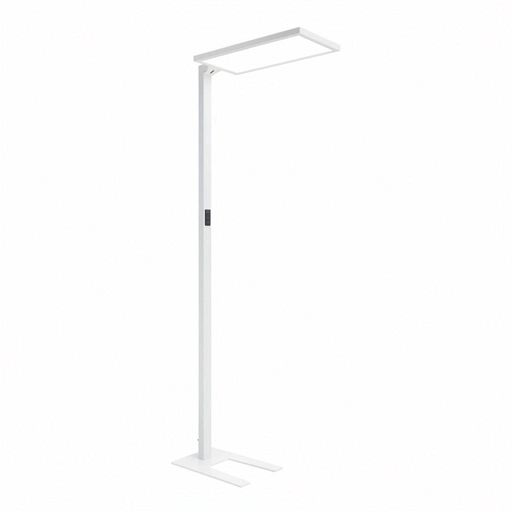
Why this model is a great fit: Designed for professional work environments, this lamp delivers extremely high light output and eye-friendly illumination, which is essential for focused work in a home office.
Avoiding the poor light quality trap: The UGR value below 19 minimises glare, which is compliant with standards for VDU workstations. The 4000 K colour temperature and high CRI of 80 ensure natural colour rendering and prevent eye strain.
Integrated daylight and motion sensor for automatic brightness adjustment and energy savings. Direct and indirect light components can be controlled separately.
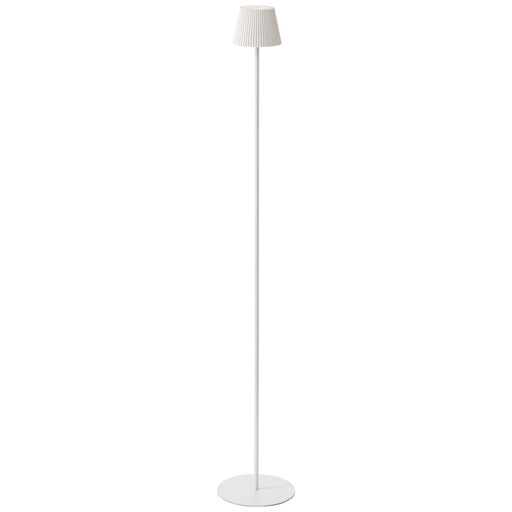
Why this model is a great fit: This cordless floor lamp offers maximum freedom. It's ideal for balconies, patios, or corners of a room without a power outlet, creating a cosy atmosphere with its warm white light wherever it's needed.
Avoiding the feature overload trap: Instead of complex apps, this lamp relies on an intuitive 3-step touch-dimming function. Operation is simple and reliable, without depending on a smartphone or a Wi-Fi connection.
The IP54 protection rating shields the lamp from dust and splashing water, allowing for safe outdoor use. The integrated battery is conveniently charged via a USB cable.
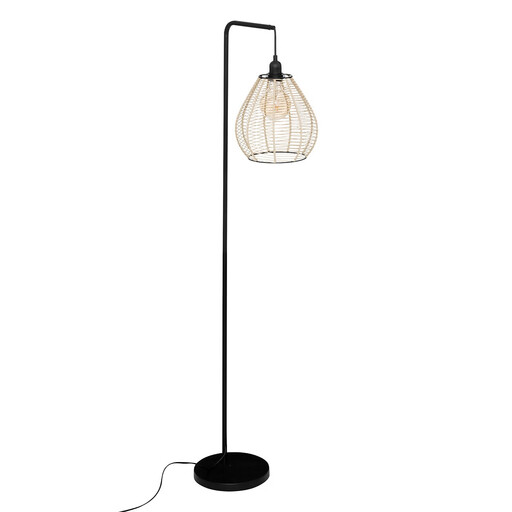
Why this model is a great fit: This arc lamp combines a modern, curved shape with a woven paper lampshade, making it a stylish statement piece in any living or dining room. It is ideal for lovers of Scandinavian or natural interior design styles.
Avoiding the stability trap: Despite its elegant, slender form, the base made of steel and cement provides the necessary counterweight. This prevents wobbling, a common problem with visually similar but poorly constructed arc lamps.
The woven paper shade creates a particularly warm and diffuse light, fostering an inviting atmosphere. The design is timeless and combines well with various furniture styles.
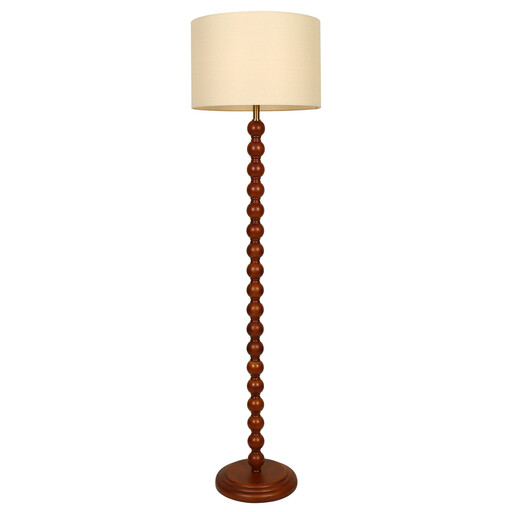
Why this model is a great fit: For anyone who values natural materials and a warm aesthetic. The base made of solid rubberwood and the oatmeal-coloured fabric shade bring an organic and tranquil note to any living space.
Avoiding the stability trap: Unlike lamps with thin metal legs or lightweight plastic bases, the solid, stacked wood construction offers excellent inherent stability and sturdiness. No corners were cut on materials here.
The combination of real wood and a classic cylindrical fabric shade is timeless and blends harmoniously into many interior styles, from classic to modern-natural.
We have compiled a complete, real-time updated list of products that fully meet these strict selection criteria and UK/EU safety regulations.
It depends on the desired function. For general, atmospheric ambient lighting from an uplighter, 1500–3000 lumens is a good guideline. If the lamp is primarily used as a reading light, 400–500 lumens directed onto the page is sufficient. A dimmable lamp offers the greatest flexibility for different moods and purposes.
Direct light is aimed specifically at a surface or object, as with a reading lamp. It creates distinct shadows and is suitable for tasks requiring concentration. Indirect light, typical of uplighters, is cast onto a wall or ceiling and then scattered diffusely into the room. It produces soft, low-shadow, and glare-free ambient brightness. Many modern floor lamps combine both types of light.
Yes, the difference is significant. An LED floor lamp consumes up to 85% less electricity than a conventional incandescent bulb and about 50% less than a halogen lamp for the same brightness (lumens). Additionally, high-quality LEDs have a lifespan of 15,000 to 50,000 operating hours, which significantly reduces maintenance and replacement costs over the years.