
Lieferung heute & morgen

Qualitätsgarantie

Willkommens-Angebote freischalten: KOSTENLOSE Lieferung | Bis zu 80 % RABATT | Kostenlose 30-Tage-JoyPlus-Testphase
App herunterladen
A well-chosen floor lamp is more than just a light source. It's a central design element that creates atmosphere, brightens dark corners, and provides functional lighting for tasks like reading or working. But the market is saturated, and many models don't live up to their product images. Before you make a decision, it's crucial to know the most common pitfalls to avoid a bad investment.
Many buyers focus solely on aesthetics, overlooking critical functional flaws. These three issues often lead to disappointment:
To make the right choice, you should focus on a few objective criteria that go beyond design and price.
A floor lamp's stability depends directly on the weight and design of its base. A heavy base made from materials like marble, concrete, or solid steel ensures it stands securely. Models with a base made of wood or heavy metal in black are not only stable but also add a stylish touch. Check the base's diameter in relation to the lamp's height—a wide base prevents tipping.
The choice of socket determines your flexibility.
The type of lamp determines how light is distributed in the room.
Based on these objective criteria, we have identified some models that are suitable for different user profiles and requirements.
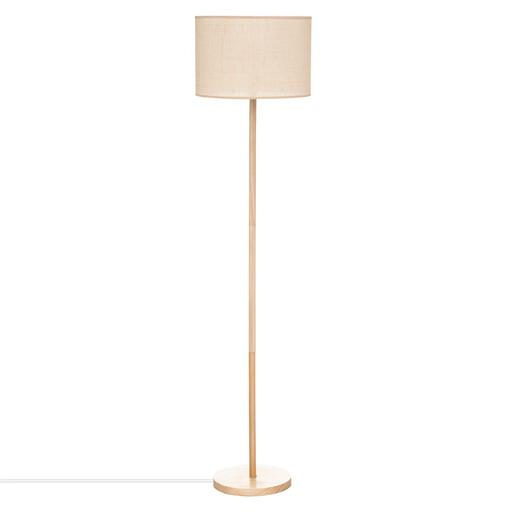
Why This Fits Their Persona: Ideal for anyone who appreciates a warm, natural aesthetic in a Scandinavian or Boho style. The lamp brings a calm and cosy atmosphere to living rooms or bedrooms.
The tripod base made of pine wood provides a solid foundation, avoiding the instability of cheaper models. By using a standard socket, it bypasses the problem of non-replaceable bulbs.
Combination of natural materials (wood and rice straw) for a warm lighting mood. Simple self-assembly and flexibility in choosing the bulb.
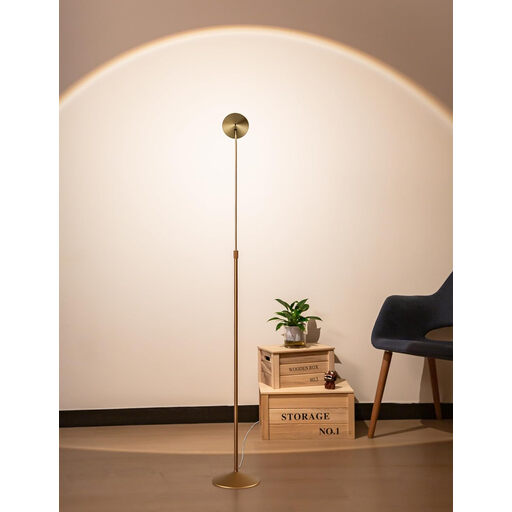
Why This Fits Their Persona: Perfect for readers, hobbyists, or the home office. This lamp offers high-precision, adjustable lighting exactly where it's needed, combining it with a minimalist design.
It solves the problem of poor light quality with a 3-step touch-dimming function. The construction of galvanised steel and aluminium with a weighted base ensures maximum stability.
Extreme flexibility thanks to a 150° pivoting head and height-adjustable rod. Offers both indirect ambient light and direct, focused task lighting.
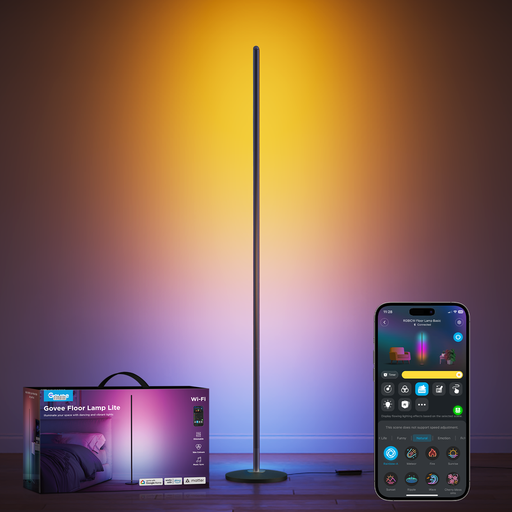
Why This Fits Their Persona: For users who want to create a smart home and see lighting as part of their entertainment. Ideal for gaming rooms, home cinemas, or for creating dynamic light scenes in the living room.
Although it has integrated LEDs, the advanced RGBIC technology justifies it. The problem of poor light colour is completely eliminated with 16 million colours and 58 scene modes.
Full smart home integration (App, Alexa, Google Assistant). Music sync mode and the ability to control light segments individually offer a high degree of personalisation.
We've curated a complete, up-to-date list of products that meet these strict selection criteria and adhere to rigorous safety standards.
For general, ambient lighting in a living room, around 800 to 1,500 lumens is sufficient. If the lamp will also serve as a primary reading light, 1,500 lumens or more is recommended. A dimming feature is especially practical here to adjust the brightness as needed.
E27 is the common, larger screw socket ("Edison screw") used for most standard bulbs. E14 is the smaller version, often found in slimmer lamps like candle or teardrop bulbs. The choice of socket does not affect the light quality, only the size of the compatible bulb.
No. An LED lamp is only dimmable if it is explicitly marked as such. This applies to both lamps with integrated LEDs and replaceable LED bulbs. Attempting to use a non-dimmable LED with a dimmer can lead to flickering, buzzing, or damage to the electronics.