
Lieferung heute & morgen

Qualitätsgarantie

Willkommens-Angebote freischalten: KOSTENLOSE Lieferung | Bis zu 80 % RABATT | Kostenlose 30-Tage-JoyPlus-Testphase
App herunterladen
Choosing the right flour can be a challenge given the vast selection available. Whether you're making a light and airy cake, an authentic pizza, or a hearty sourdough loaf, the right type of flour is the foundation for any successful recipe. This guide is designed to help you make an informed decision by objectively outlining the key features of different flours and presenting a selection of products for various culinary uses.
Before you order flour online, a few basic criteria can simplify your selection. The following points offer guidance to help you find the right product for your project.
In Germany and much of Europe, flour is classified by type (e.g., Type 405 wheat flour, 550, 1050). This number indicates the mineral content (ash content) in milligrams per 100 grams of flour.
Protein content, often referred to as gluten content, is crucial for dough structure. Gluten forms an elastic network that traps gases (e.g., from yeast), giving baked goods volume and a chewy texture.
For individuals with gluten intolerance or those looking to diversify their diet, there is a growing selection of alternatives. Gluten-free chickpea flour is a popular option. It is naturally high in protein and lends a slightly nutty flavour to dishes. It is suitable for making pancakes, flatbreads, or as a binder in soups and sauces.
Here is a curated selection of flours suitable for a variety of culinary projects. The descriptions are based on manufacturer specifications and the unique properties of each product.
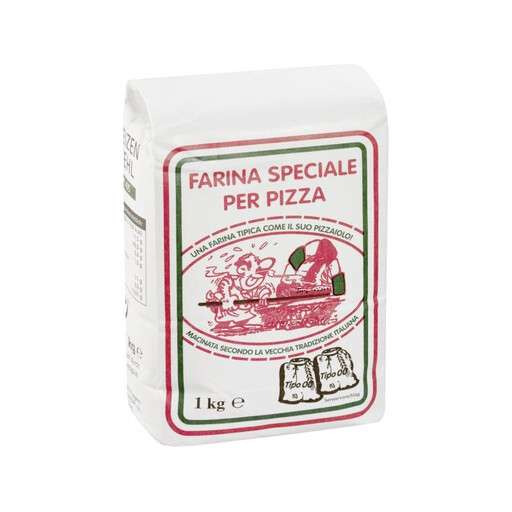
Why it stands out: This specialty Type 00 flour is very finely milled, a hallmark of Italian pizza flour. It allows you to create a smooth, elastic dough that can be stretched thin and develops an airy, crispy crust when baked.
Who it's for: Home pizza makers and chefs who want to replicate the characteristic thin yet airy crust of a Neapolitan-style pizza at home.
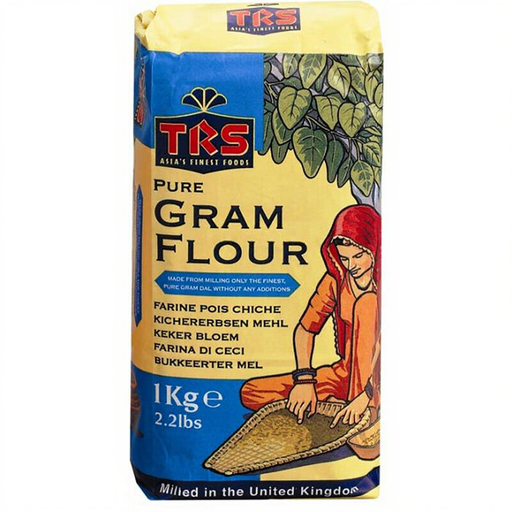
Why it stands out: Made from 100% pure chickpeas, this flour is naturally gluten-free and exceptionally high in protein. Its fine milling makes it versatile, from traditional Indian dishes like pakoras to use as a binding agent.
Who it's for: Health-conscious individuals, people with gluten intolerance, and anyone looking for a nutrient-rich alternative to wheat flour for making pancakes, flatbreads, or thickening sauces.
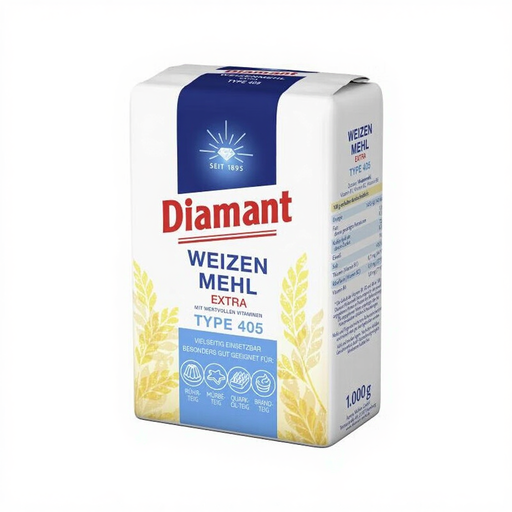
Why it stands out: As a classic Type 405 wheat flour, this product is an all-rounder for delicate baking. It is ideal for tender batters and doughs for sponge cakes, batter cakes, cookies, and dumplings. According to the manufacturer, it is enriched with vitamins B1, B2, and B6.
Who it's for: Bakers who need a reliable all-purpose flour for cakes, cookies, and other fine pastries, and who value a light, delicate crumb.

Why it stands out: This flour was specially selected for its high protein (gluten) content. It is the ideal base for baked goods that require a strong structure and good fermentation stability, such as bread, bagels, or elastic pizza doughs.
Who it's for: Home and professional bakers looking for a high-protein flour for making bread and other yeast-based goods that ensures excellent dough elasticity and a chewy crumb.
This selection covers some of the most common uses. However, if you are looking for different milling grades, specialty grains, or simply a wider range of package sizes, you can find more products in our category.
? Discover our entire range of 1kg flour here
Type 405 flour is the finest and lightest wheat flour with the lowest mineral content. It is mainly used for cakes, cookies, and fine pastries. Type 550 flour contains slightly more minerals and has a higher gluten content, making it an all-rounder for white bread, rolls, pizza, and yeast doughs.
Theoretically, yes, but the results will vary greatly. For a successful loaf with good volume and an appealing crumb, a bread flour with a higher protein content (from approx. 11%) and a higher type number (e.g., 550, 812, or 1050) is recommended. Flours like Type 405 will result in a less stable dough and a denser loaf.
Specialty flours like Tipo 00 pizza flour or gluten-free chickpea flour are often not available in every supermarket. Online shops offer a wide selection, allowing you to find the exact product for your recipe and have it delivered directly to your home.