
Lieferung heute & morgen

Qualitätsgarantie

Willkommens-Angebote freischalten: KOSTENLOSE Lieferung | Bis zu 80 % RABATT | Kostenlose 30-Tage-JoyPlus-Testphase
App herunterladen
Whether for a Sunday cake, a birthday masterpiece, or Christmas cookies, the right baking ingredients are the foundation of any successful bake. But the market is vast, and not every product lives up to its promise. We’ve all been there: the lemon flavouring tastes artificial, the vanilla is barely noticeable, or the food colouring doesn't give the dough the vibrant shade you hoped for. This guide will help you navigate common pitfalls and choose the perfect ingredients for your needs.
Before you fill your shopping cart, be aware of two common issues that often lead to disappointment in the kitchen.
To ensure your baking projects are a success, you should pay attention to a few key parameters. These will help you objectively assess the quality and suitability of an ingredient.
The most important distinction is between natural, nature-identical, and artificial flavourings.
Check the ingredients list: terms like "natural vanilla flavour" or "Bourbon vanilla extract" indicate higher quality than a simple "flavouring" designation.
The form an ingredient comes in affects its application and how far it goes.
The right form depends on your recipe. For a simple batter cake, a liquid lemon flavouring is practical, while a thicker food colouring is better for decorating cookies, as it won't thin out the icing.
Depending on the occasion and your standards, the requirements for baking ingredients will vary. Here are some recommendations tailored to different profiles.
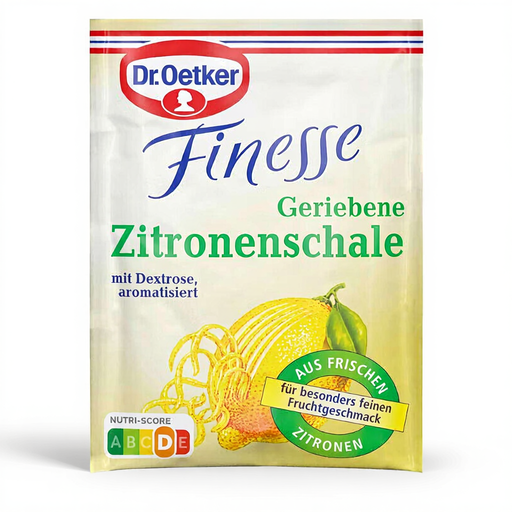
Why it's a great fit: Perfect for anyone who bakes regularly and wants a reliable, hassle-free alternative to fresh lemons. The pre-portioned sachets are convenient and guarantee consistent results in cakes, glazes, or desserts.
The product contains 36% dried lemon peel and natural lemon oil, ensuring an authentic taste and avoiding the pitfall of artificial flavourings. The sachets also prevent any loss of aroma.
Simple, mess-free dosing without any grating; long shelf life and consistent flavour intensity.
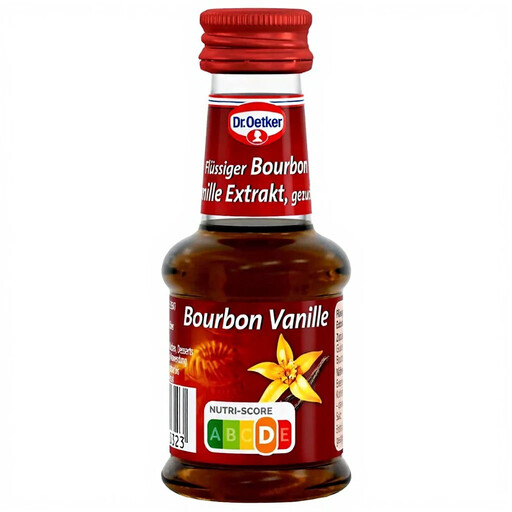
Why it's a great fit: For those who value a deep, authentic vanilla flavour in their desserts, creams, and delicate pastries. This extract is derived from high-quality Bourbon vanilla beans from Madagascar.
It delivers real vanilla taste instead of synthetic vanillin. The resealable bottle effectively protects the concentrated flavour from evaporating, solving the problem of impractical storage.
Intense, natural flavour; easy to measure by the teaspoon and resealable for long-lasting freshness.
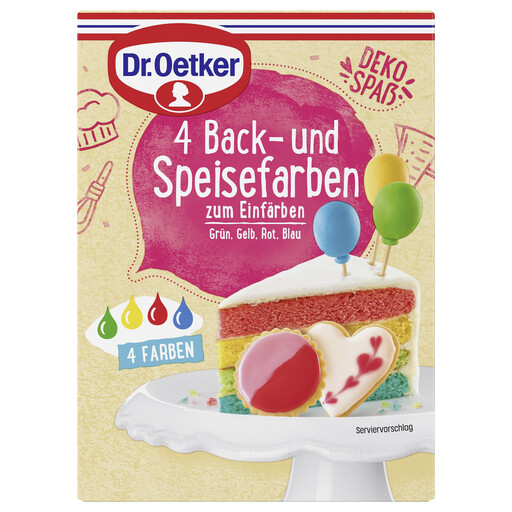
Why it's a great fit: For anyone who wants to get creative with **cake decorating**. This set of four primary colours (yellow, green, red, blue) allows you to colour icing, marzipan, or dough for vibrant creations.
The paste-like consistency is easy to dose and barely alters the texture of icing or creams—a common problem with overly liquid colours. The colours are also bake-stable.
Excellent colouring power and easy to incorporate into various mixtures; the colours can be mixed to create custom shades.
We have compiled a complete, up-to-date list of products that fully meet these strict selection criteria and comply with German regulations.
A vanilla bean is the unprocessed, natural product and offers the most intense, complex flavour. The seeds are scraped directly from the pod. Vanilla extract is an alcoholic infusion made from chopped vanilla beans and is easy to measure. Vanilla paste is a thick blend of extract and ground vanilla seeds, offering a great balance between ease of use and intense flavour with visible vanilla specks.
Liquid baking flavourings and extracts should always be stored tightly sealed in a cool, dark place to minimise flavour loss from light and air. A kitchen cupboard is ideal; refrigeration is usually not necessary. Powdered ingredients like Dr. Oetker Finesse should be kept dry to prevent clumping.
Most commercial food colourings are bake-stable and can be used in batter, shortcrust pastry, or sponge cake dough. In highly acidic doughs (e.g., those with a lot of lemon or buttermilk), some colours may change shade slightly. It's a good idea to test the colour in a small amount of dough first. Paste or gel colours are better suited for most applications than liquid colours, as they have less impact on the dough's consistency.