
Lieferung heute & morgen

Qualitätsgarantie

Willkommens-Angebote freischalten: KOSTENLOSE Lieferung | Bis zu 80 % RABATT | Kostenlose 30-Tage-JoyPlus-Testphase
App herunterladen
Cutting dies with floral motifs open up a world of creative possibilities, from custom card making to elaborate scrapbooking projects. However, the joy of crafting can quickly fade when the results don't meet your expectations. Many crafters invest in tools that turn out to be impractical or low-quality. The most common problems include frayed edges, incompatibility with their die-cutting machine, or intricate designs that tear the paper instead of cutting it cleanly.
This guide will help you identify and avoid these common pitfalls. We focus on the key features that define a quality cutting die, ensuring your creative ideas for DIY decor and paper crafts can be executed with precision.
Before making a purchase, you should check three technical aspects. These are the primary determinants of the functionality and longevity of your cutting tools.
The sharpness and durability of a cutting die depend directly on the material used.
Therefore, pay close attention to the product description and give preference to models that explicitly list carbon steel as the material.
A common source of error is incompatibility between the cutting die and the die-cutting machine. Most Cutting Dies available on the market are designed to be "wafer-thin" and work with standard manual die-cutting and embossing machines (e.g., from Sizzix, Spellbinders, or Cuttlebug). Nevertheless, there are two points to verify:
A quick comparison of the dimensions in the product description with your machine's specifications will prevent a bad purchase.
Intricate designs like a flower border die are visually appealing but place high demands on the tool. With poor manufacturing, small paper pieces get stuck in the die, or delicate bridges tear when the cut-out is released.
Look for designs that have sufficiently stable connecting bridges despite their complexity. Well-constructed dies also have small holes on the back to facilitate the removal of the die-cut paper with a pointed tool. This is particularly important for embossing stencils for scrapbooking, where clean results are crucial.
Here are some recommendations tailored to different profiles for paper crafting.
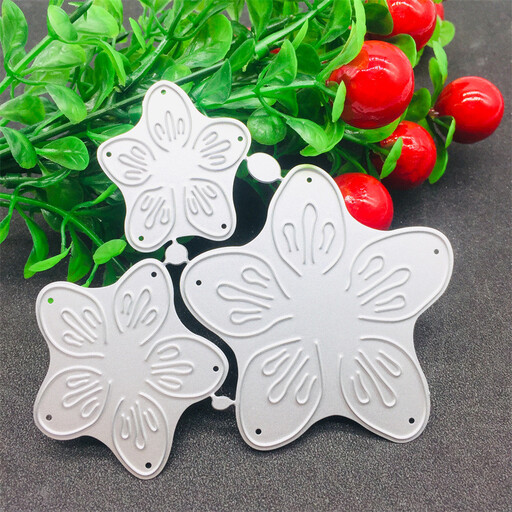
Why This Fits Their Persona: This set offers a selection of different, clearly defined flower and leaf shapes. It's ideal for beginners who are just starting to design cards with cutting dies and are looking for a versatile starter kit for various projects.
The sturdy, not overly intricate designs minimise the risk of paper tears and messy cuts, avoiding common points of frustration for beginners.
Offers a good selection of basic floral shapes for diverse projects. Its steel construction promises good durability.
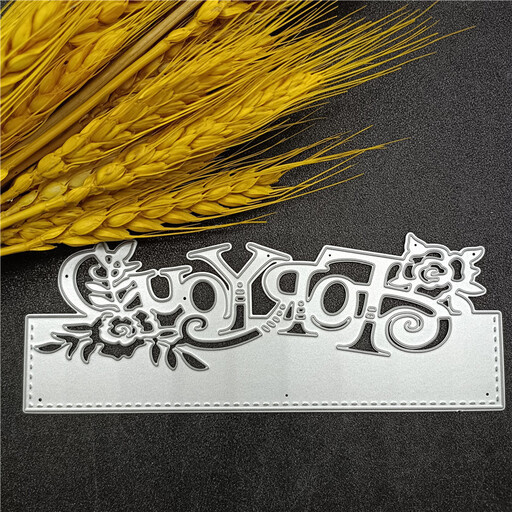
Why This Fits Their Persona: This flower border die is specifically designed for creating decorative edges. It's perfect for embellishing invitation cards, menus, or as a decorative element in albums to achieve a high-end, lace-like effect.
While the design is intricate, the cutting lines are clearly and continuously constructed. Combined with the steel material, this ensures a clean cut without fraying the delicate points.
Creates a continuous, decorative edge that gives projects a professional and elegant feel. Ideal for wedding and holiday decorations.
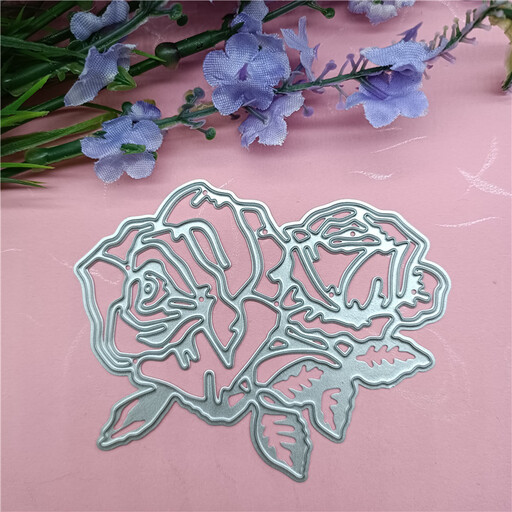
Why This Fits Their Persona: This classic rose die is an essential tool for scrapbooking enthusiasts. It allows you to create detailed, individual rose blossoms that are ideal for layering, creating 3D effects, and designing themed album pages.
Despite the fine lines of the petals, the die is designed to cut cleanly through the paper and allow for easy release of the motif, which is crucial when working on precious scrapbook layouts.
Enables the cutting of detailed rose motifs that can be versatilely combined for themed DIY decor and albums.
We have compiled a comprehensive, up-to-date list of products that fully meet these strict selection criteria.
1. Which die-cutting machine is suitable for metal dies? Most thin metal dies (wafer-thin dies) are compatible with standard manual die-cutting and embossing machines. These include models like the Sizzix Big Shot, Spellbinders Platinum, or the Cricut Cuttlebug. However, it is always advisable to know the maximum pass-through width of your machine and compare it with the dimensions of the desired die.
2. How do I properly clean and store my cutting dies? After use, small paper scraps can be removed from the die with a dry, stiff brush or a special tool (a die pick). Avoid water to prevent corrosion. For storage, magnetic sheets or special storage pouches are suitable. This keeps the dies flat, well-organized, and protected from damage.
3. Why does the paper tear when cutting intricate designs? This can have several causes. Often, it's due to a low-quality, dull die. Sometimes the paper is not suitable (too fibrous or too thin). Another reason could be insufficient pressure from the machine. Try running an extra sheet of thin cardstock (a "shim") through the machine to slightly increase the pressure. This can often lead to a cleaner cutting result.