
Lieferung heute & morgen

Qualitätsgarantie

Willkommens-Angebote freischalten: KOSTENLOSE Lieferung | Bis zu 80 % RABATT | Kostenlose 30-Tage-JoyPlus-Testphase
App herunterladen
Flower cutting dies for scrapbooking are ideal for personalised cards, photo albums, wedding stationery and decorative paper projects. Choosing one may seem straightforward at first: pick a design, place your order and start creating with your die-cutting machine. In practice, however, unclear product details, compatibility issues or very fine cutting lines can often lead to unnecessary purchases.
This buying guide from the Joybuy Product Recommendation Officer explains which details matter before you buy and which flower, leaf, butterfly and frame designs are best suited to different craft projects.
Product images often show several layers of paper, cards or decorations. Without specific measurements, however, it is impossible to tell whether a rose cutting die is suitable for a large greeting card, a small gift tag or a scrapbook page.
Before buying, you should therefore check:
If the product description does not include measurements, it is worth checking the details with the seller before planning your project around the product.
Metal cutting dies are normally used with a suitable die-cutting and embossing machine. What matters is whether the die fits the plate arrangement you have and whether the machine is designed for thin metal dies. The thickness of the paper also affects the result.
Many projects require the following factors to be matched:
A set with several designs can be practical if you are planning different projects. However, it is worth checking whether you will actually use all the included dies. A rose cutting die may be sufficient for a single wedding card, while flower and leaf dies or frame dies offer more creative possibilities for a photo album.
Also consider storage. Small dies can easily go missing. A labelled box or magnetic storage sheet helps you continue using them over the long term.
Choose the design according to how you plan to use it:
Combining a main design with complementary shapes makes it easier to create a consistent style without making every card look the same.
A detailed design creates a delicate result, but it can be more challenging to weed. Check whether the die contains lots of small inner sections. Clear outlines are often easier for beginners to handle. More experienced card makers, on the other hand, can work with fine petals, lace borders or nested frames.
Product names often include terms such as “Set”, “Lot” or a stated quantity. You should compare these details with the actual product description. Important points include:
If technical details are not provided, your buying decision should be limited to the features that are clearly described.
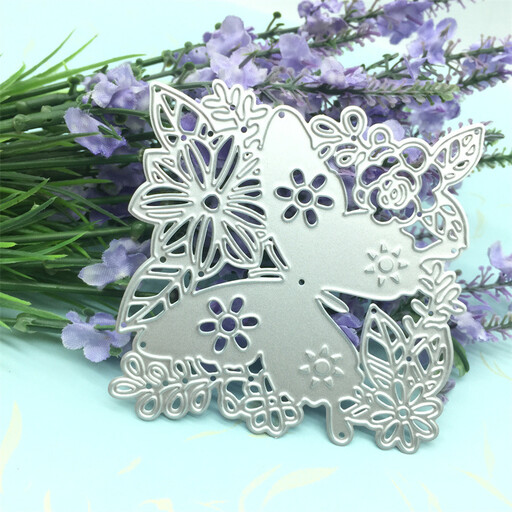
Why this product suits this profile: The combination of a butterfly and flower offers an accessible introduction to card making and scrapbooking, without requiring an extensive collection of designs.
The clearly recognisable design makes it easier to visualise the finished look. Even so, you should check the measurements and machine compatibility before buying.
Described as a metal cutting die with butterfly and flower designs for paper, cards, albums and scrapbooking.
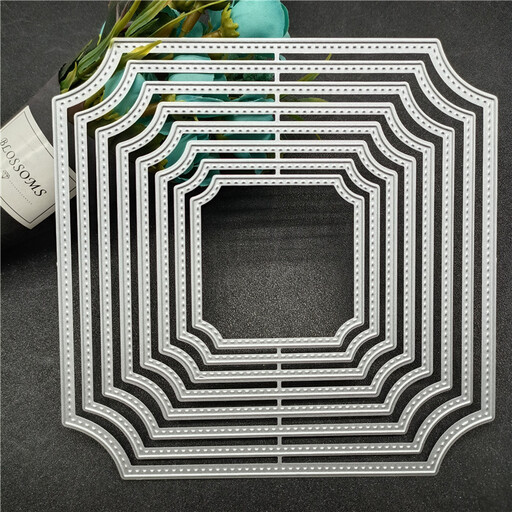
Why this product suits this profile: The set of eight irregular frame designs is aimed at crafters who want to vary card layouts, photo cut-outs and wedding cards.
The stated quantity is clearly specified. Even so, check that the frame dimensions are suitable for your blank cards and photographs before ordering.
Eight frame designs, along with flower-frame and square motifs, for card making, albums and paper decorations.
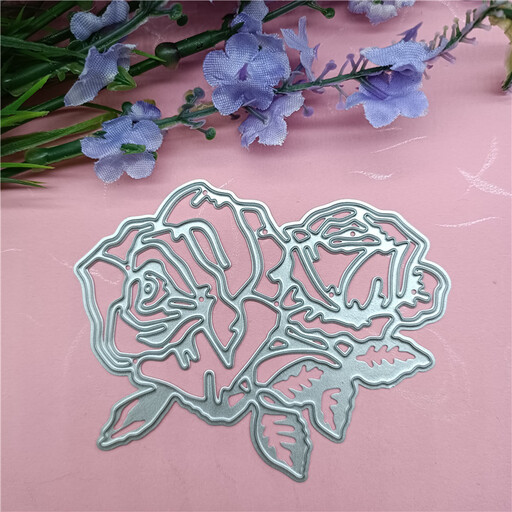
Why this product suits this profile: The clearly named rose design is ideal for crafters who regularly create floral decorations for greeting cards, photo albums or festive stationery.
The design is clearly stated in the product name. For delicate rose patterns, check the paper thickness, cutting pressure and information about the embossing function separately.
Described as a rose flower cutting die and embossing stencil for DIY cards, paper decorations and scrapbooking.
First, set aside a piece of scrap paper of the type you intend to use. This allows you to check whether the cutting lines pass fully through the material. For small inner cut-outs, gently releasing them with a paper tool can help. Avoid pulling hard on delicate petals, as the paper can tear at narrow points.
For photo albums and cards, it is a good idea to arrange the decoration temporarily before sticking it down. With layered flowers, you can use different paper colours or slightly offset die cuts. Leaf and grass designs complement individual flowers, while frame shapes visually define photographs or text boxes.
For more DIY scrapbooking accessories, paper flowers and matching decorations, you can also browse the Paper Flower Bouquet Décor category.
We have put together a complete, regularly updated list of products that fully meet these strict selection criteria and the safety regulations applicable in the EU.
Paper that can be processed according to the machine and die specifications is suitable. Thin scrapbooking paper is usually easier to release than very thick card. For wedding invitations or sturdy greeting cards, you should carry out a test cut, as the required pressure setting depends on the material and design.
Their service life depends on factors including the material, cutting pressure, type of paper, storage and care. Store the dies somewhere dry and protected. Do not continue using bent or damaged dies if they no longer guide the paper cleanly or place unusual strain on the machine.
A compatible die-cutting machine is required for cutting alone. Whether embossing is also possible depends on the individual die and the plate system used. Product descriptions containing “Embossing” or “embossing die” are therefore not a substitute for specific compatibility information. Before buying, check the technical information provided by the seller and the specifications of your machine.