
Lieferung heute & morgen

Qualitätsgarantie

Willkommens-Angebote freischalten: KOSTENLOSE Lieferung | Bis zu 80 % RABATT | Kostenlose 30-Tage-JoyPlus-Testphase
App herunterladen
Flower dies for scrapbooking are ideal for greeting cards, photo albums, wedding invitations and all sorts of DIY paper crafts. The range available includes everything from individual flower designs and floral stencils to frame and lace-border dies. But the design isn’t the only thing that matters. Some products look versatile in their photos but may not work with your die-cutting machine, paper size or planned project.
As a Joybuy Product Recommendation Officer, I filter through the relevant product details and explain what shoppers in the UK should check before placing an order.
A delicate flower die might look just right on a wedding card, but be too large for a small photo album layout. On the other hand, very small flowers can get lost on a large album page. Before you buy, check:
A product described as featuring “flowers” might contain a single design, a complete frame, or a combination of flowers and leaves.
Metal dies cut paper into a specific shape. Embossing stencils or embossing elements create a raised or indented texture, depending on the machine and accessories used. Some products combine both functions, while others are described in the product name as cutting dies only.
For the product “Blossoms in Bloom Clear Stamps and Many Layered Blossoms Cutting DIY Scrapbooking Embossing Paper Album Crafts Design Craft Greetings Mould Blade Punch, (Only Cutting Dies)”, the words “Only Cutting Dies” make it clear that it’s for cutting only. So don’t assume that stamps or extra embossing elements are included.
Not every die works with every die-cutting and embossing machine. Before buying, check the machine manufacturer’s guidance on plate size, material thickness and recommended cutting layers. If compatibility details are missing, it’s worth being cautious.
A storage solution isn’t necessarily included either. If you use your dies regularly, clear pouches, labelled boxes or magnetic storage sheets can be useful additions to your scrapbooking supplies.
The products mentioned here are described in their product names as metal dies. However, the material alone doesn’t tell you how thick they are, how sharp the cutting edge is or how long they’ll last. Look for:
Very delicate flower dies can tear thin paper more easily. When working with sturdier materials, follow the machine’s recommendations and check the details for the die.
Rectangular frames, flower borders and individual blooms are particularly versatile for card-making. Larger floral designs or background patterns can work well in photo albums. Frame dies and lace-border dies are often a good choice for invitations, as they can add structure to the edges or central text area.
A practical approach:
Check whether a set contains several individual designs or just one connected shape. For example, the product name “Four Butterflies” suggests that there are four butterfly designs. Other products combine flowers, leaves, frames or window elements. Sets with several designs can be more practical for projects you make regularly. For a specific card design, a single flower or butterfly die may be all you need.
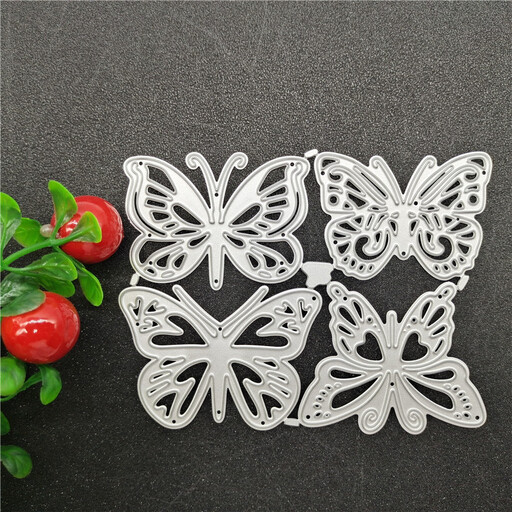
Why it’s a good fit: Four butterfly designs are a great way to get started with cards, album pages and small gift projects, without needing a large set of designs.
The number of designs is clearly stated, making it easier to tell before you buy whether you’re looking for individual butterflies rather than a complete frame.
Metal dies featuring four butterfly designs; the product name states that they’re intended for paper cards and album decoration.
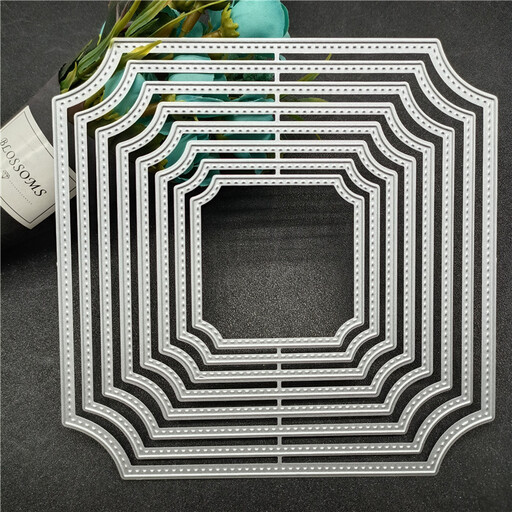
Why it’s a good fit: This set features a variety of frame shapes and floral card designs. It’s a good choice if you’re planning to create several different layouts.
The “8Pcs/Lot” label makes it clear what’s in the set, reducing the risk of ordering a single design when you wanted several frame shapes.
Eight metal frames, according to the product name; intended for wedding cards, scrapbooking and decorative embossed designs.
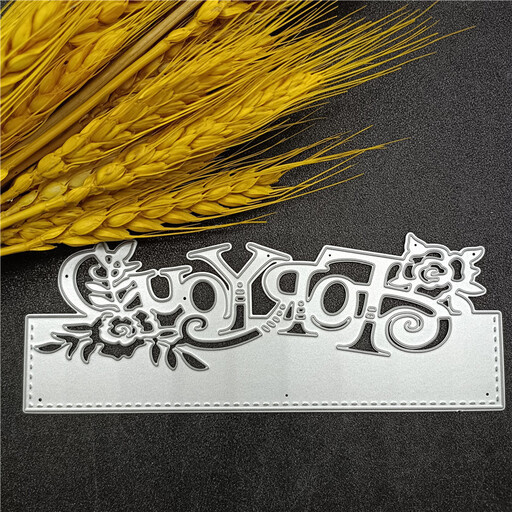
Why it’s a good fit: The border design is ideal for card sets, invitations and decorative edges on album pages.
The product name specifically describes a flower-edge die, making its intended use clearer than that of a more generally described decorative set.
Metal die for a floral border; the product name states that it’s intended for scrapbooking and wedding cards.
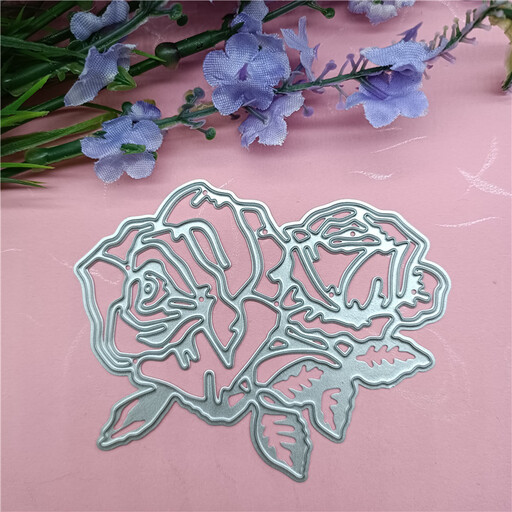
Why it’s a good fit: The clearly named rose design is ideal for card-makers and crafters looking for a specific floral theme for their paper projects.
The product name identifies the design as a rose, so you can plan more precisely instead of choosing a general flower set for a specific project.
Metal die featuring a rose design; the product description states that it’s intended for cards, scrapbooking and decorative paper crafts.
For varied layouts, Spring Flowers Cutting Dies featuring floral and symmetrical patterns are another option. A flower-leaf background, on the other hand, is better suited to larger areas or a decorative photo frame. If you need a central space for text, you could pair a flower-label die with individual blooms.
For invitations and special-occasion cards, lace-border dies or floral frames are often easier to plan around than lots of separate designs. For seasonal projects, you can combine flower frames with Christmas elements. Before you buy, always check the product photos, measurements and what’s included.
We’ve put together a complete, regularly updated list of products that meet these strict selection criteria and fully comply with the safety regulations in force in the EU.
It depends on the die and the machine you’re using. Thin craft paper is usually easier to cut with delicate outlines, while card makes sturdier flowers and frames. Always follow the machine’s instructions and try the design on a scrap of paper first.
There’s no set lifespan. It depends on factors such as material thickness, how intricate the design is, the type of paper, the pressure setting and how the die is stored. Keeping it dry, protecting it from bending and removing paper scraps can help you get regular use out of it.
Not necessarily. A die cuts out a design, while an embossing stencil creates a texture. If you want to use both, check whether the specific set includes both functions or whether you’ll need separate embossing stencils.