
Lieferung heute & morgen

Qualitätsgarantie

Willkommens-Angebote freischalten: KOSTENLOSE Lieferung | Bis zu 80 % RABATT | Kostenlose 30-Tage-JoyPlus-Testphase
App herunterladen
Flower motifs are among the most versatile design elements for scrapbooking, handmade greeting cards and decorative photo albums. However, not every floral paper die is suitable for every die-cutting machine or project. If you buy based solely on the motif shown, you can easily overlook technical details that may later result in uneven cuts, damaged paper or unused dies.
This buying guide explains what hobby crafters in Germany should look for when choosing flower metal cutting dies for scrapbooking. The recommendations are based on clear information such as motif type, intended use and likely versatility – not on blanket advertising claims.
Many listings state that a product is “suitable for die-cutting machines” without explaining the specific machine format or plates required. A metal die may be designed for a manual die-cutting machine, while other systems may also require adapters, special embossing mats or several plates.
Before buying, check:
A floral frame may look large on screen but in reality be suitable only for small cards or individual album pages. A6 greeting cards, large scrapbook pages and photo albums all have different space requirements.
Pay attention to the stated dimensions of each die and compare them with:
Metal dies for paper cut out outlines. Embossing stencils, on the other hand, create a raised texture, provided that the die-cutting machine and plate configuration support this. Some products are described in translations as “cutting dies”, “embossing stencil” or “template” at the same time.
Therefore, check carefully whether the product:
For flower dies, a sturdy metal construction is important to ensure that delicate petals and leaf lines do not lose their shape during use. The available product information should clearly state whether the die is made from metal, carbon steel or another material. In the listings below, the product is described as a metal die or Metal Cutting Die.
Also check:
Storing the dies in a flat box or labelled storage pockets in a dry place helps prevent scratches, bending and the loss of individual dies.
Dies for die-cutting machines do not automatically work with every device. The key factors are the die’s construction, the machine’s opening width and the plate configuration recommended by the manufacturer. If the format is unfamiliar, start with a test cut using inexpensive craft paper.
The materials you use are also important for card making and scrapbooking:
Floral paper dies can be used as individual flowers, leafy branches, frames, corners or borders. Larger frames and background motifs are practical for photo albums, while individual roses, lilies or floral edges may be sufficient for greeting cards.
If you work on different types of projects, choose sets with elements that can be combined. For a specific album theme, however, a clearly defined motif may be more useful than an extensive set containing many unused dies.
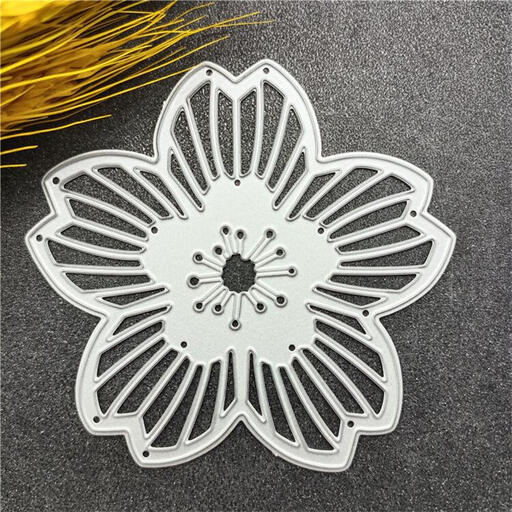
Why this product suits this profile: The product name suggests that it can be used for card making, scrapbook machines and storage pockets. This makes it an interesting choice for beginners who want to try out several paper projects.
Before buying, you can check the machine compatibility, contents and precise motif dimensions. This helps you avoid ordering based solely on an attractive product image.
According to the product name, it is intended for card making, scrapbooking and use with a die-cutting machine; a storage solution is also mentioned.
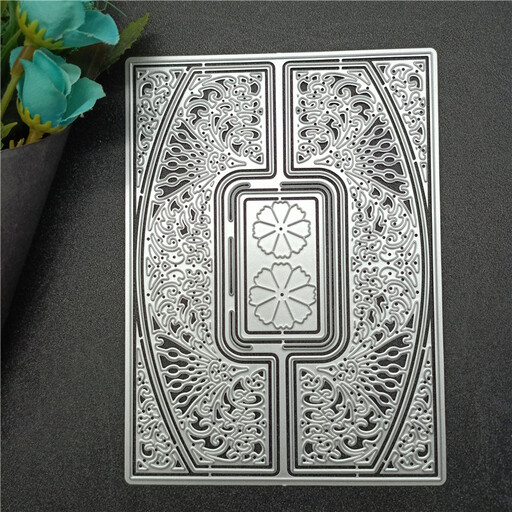
Why this product suits this profile: A frame motif is ideal for crafters who value an orderly composition and even card borders. Before buying, compare the cut design, dimensions and border spacing with your card format.
The frame shape highlights the key points to check: outer dimensions, inner area and level of detail. This allows you to assess in advance whether the motif will fit your planned layout neatly.
According to the product name, this is a floral frame motif for card making, paper embossing and scrapbooking.
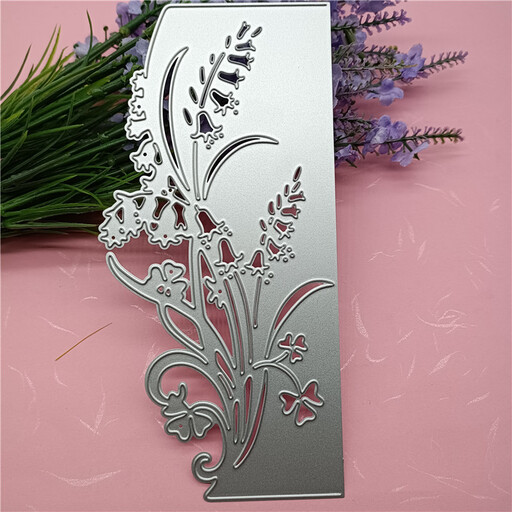
Why this product suits this profile: The product name includes flowers, leaves, lace and edge motifs. This makes the die suitable for album borders, card frames or repeated floral decorations.
A test cut is particularly useful for delicate border motifs. This allows frequent users to check before starting a larger batch that the paper thickness, pressure and weeding process suit their workflow.
According to the product name, flower, leaf, lace and edge elements are combined, allowing for several decorative applications.
For rose motifs, take a look at the Rose Flowers Metal Cutting Dies. A lily motif is available with the Flower Metal Cutting Dies Lily. For leaves, branches and background compositions, you could also consider the Branch Leaves Metal Cutting Dies.
When comparing dies for card making, scrapbooking dies and craft stencils, always pay attention to the specific product information. Terms such as “Embossing” or “Stencil” do not replace details about machine compatibility, format and contents.
We have put together a complete, regularly updated list of products that fully meet these strict selection criteria and the safety regulations applicable in the EU.
This depends on the die’s construction and the machine in question. Check the product and machine manufacturer’s information about plates, opening width and material thickness. When using a new motif, it is advisable to make a test cut with ordinary paper.
There is no standard service life. It depends on factors including the material, pressure, paper thickness, cleaning and storage. Keep the dies dry and flat, away from moisture. Do not use a higher pressure setting than specified for the machine and die.
In addition to the purchase price, the main costs are for paper, card, adhesive and, where applicable, replacement or embossing mats. Delicate motifs may take more time to weed, as small paper remnants need to be removed. Choosing a suitable motif and the right paper thickness helps reduce failed attempts and therefore material waste.