
Lieferung heute & morgen

Qualitätsgarantie

Willkommens-Angebote freischalten: KOSTENLOSE Lieferung | Bis zu 80 % RABATT | Kostenlose 30-Tage-JoyPlus-Testphase
App herunterladen
A carefully selected flower pot is more than just a container for a plant—it's an essential part of your interior design. However, finding the right model that is both functional and aesthetically pleasing can be a challenge, given the variety of materials, shapes, and sizes available.
This guide is here to help. It presents objective criteria to help you make an informed decision and find a planter that perfectly showcases your plants and blends harmoniously into your living space.
Three key aspects are crucial to your selection: material, function, and design. A thoughtful combination of these factors ensures that the flower pot meets both the needs of your plant and your aesthetic requirements.
The material influences not only the look of the pot but also its durability and maintenance.
Functionality is crucial for the health of your plants. It's important to distinguish between a planter and a cachepot. A planter usually has a drainage hole at the bottom to allow excess water to escape and prevent root rot. A cachepot, on the other hand, is a purely decorative vessel with no hole, designed to hold the actual planter.
When selecting a size, ensure the pot provides enough room for the plant's root ball to grow. As a rule of thumb, the new pot should be about 2 to 4 centimetres larger in diameter than the previous one.
The flower pot should complement your personal interior style. A modern flower pot is often characterised by clean lines, geometric shapes, and neutral colours like black, white, or grey. Such designs blend seamlessly into minimalist or Scandinavian living concepts. In contrast, a colourful or textured cachepot can serve as a deliberate focal point in an otherwise simple room. Large, floor-standing planters are perfect for filling empty corners and introducing a vertical element into your room's design.
Based on the criteria of material, design, and functionality, we have curated a selection of planters that cater to different styles and needs.
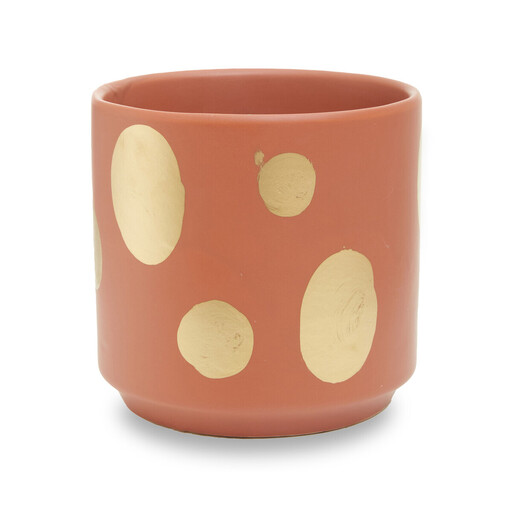
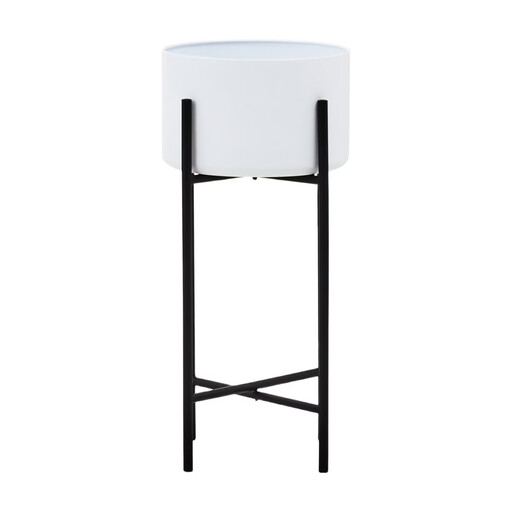
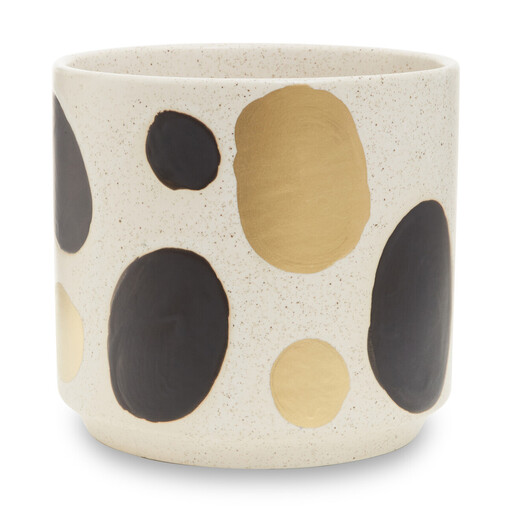
Our selection covers various styles, but the world of planters is vast. If you'd like to discover more designs, materials, or sizes, you can find a wider selection in our comprehensive Garden Pots category to find the perfect home for your plants.
A flower pot, often called a planter, has one or more holes in the bottom to allow excess water to drain away. This is crucial for preventing root rot. A cachepot is a decorative vessel without a drainage hole, into which the flower pot is placed. It catches the water and protects furniture or floors.
Various materials are suitable for indoor use. Ceramic is very popular for its stability and classic look. Plastic is lightweight, shatterproof, and available in many colours. Metal pots add modern accents. The choice ultimately depends on your desired style, the location, and the plant's needs.
The pot should offer the roots enough space to grow but should not be too large, as this can cause too much moisture to collect in the unused soil. A good guideline is to choose a pot that is about 2 to 4 cm larger in diameter than the current root ball. For very fast-growing plants, this can be up to 5 cm.