
Lieferung heute & morgen

Qualitätsgarantie

Willkommens-Angebote freischalten: KOSTENLOSE Lieferung | Bis zu 80 % RABATT | Kostenlose 30-Tage-JoyPlus-Testphase
App herunterladen
Finding the right chili oil can be a daunting task. Retail shelves and online stores are filled with a vast array of products, each varying significantly in heat, aroma, and texture. Whether you're seeking an authentic Chinese chili oil for your dumplings, a Japanese chili oil for ramen, or simply a versatile Asian-style condiment oil to elevate your everyday meals, the selection is immense.
This article serves as your guide. We'll introduce different types of chili oil, offer practical tips for making your choice, and present a selection of products that cover a range of flavour profiles. Our goal is to equip you with the information you need to find the perfect oil for your culinary adventures.
To find the right product for your needs, a few key criteria can help. Instead of focusing solely on the brand, it's worth examining the details.
Not all chili oil is created equal. The flavour is largely determined by its regional origin and the ingredients used.
A key differentiator is the texture. There are two main categories here:
Here you will find a selection of chili oils that cover different flavour profiles and applications.
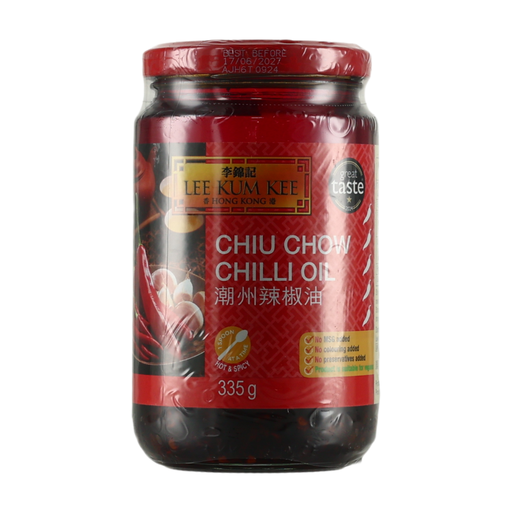
Why It Stands Out: This oil from Lee Kum Kee is a classic of Cantonese cuisine. It combines the heat of chilies with the savoury aroma of dehydrated garlic and soy sauce, giving it a remarkable depth of flavour.
Benefits:
Who It's For: Users looking for a versatile and not overly spicy chili oil with a savoury umami profile. It's a great entry point for anyone wanting to explore the world of chili oils.
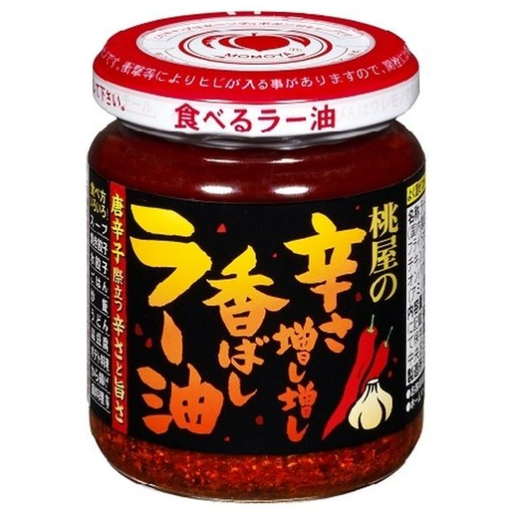
Why It Stands Out: This Japanese chili oil is distinguished by its aromatic ingredients, such as fried garlic and onions. The rapeseed oil base and the addition of ground sesame give it a nutty and deep flavour profile.
Benefits:
Who It's For: Fans of Japanese cuisine looking for an aromatic topping for ramen, gyoza, or rice dishes. Ideal for anyone who values aroma and texture over extreme heat.

Why It Stands Out:Lao Gan Ma is arguably the most famous chili crisp in the world. It owes its popularity to the unique combination of crispy chilies, fermented soybeans, and peanuts, which creates an addictive blend of salty, spicy, and crunchy.
Benefits:
Who It's For: Foodies and anyone who wants to understand the hype around chili crisp. A must-have for anyone looking for a condiment that instantly adds character to even the simplest dish.

Why It Stands Out: This red oil is a prime example of an authentic Sichuan chili oil. The focus is clearly on the "mala" effect, created by the generous use of Sichuan peppercorns. It is less of a "crisp" and more of a pure, highly aromatic condiment oil.
Benefits:
Who It's For: Home cooks who want to prepare authentic Sichuan dishes and are seeking the unique, tingling "mala" flavour. Better suited for those experienced with spicy condiments.
The world of chili oils is diverse, offering the right product for every palate. If you'd like to discover more varieties with a crispy texture, you can find a wider selection in our category.
? Explore our entire selection of Chili Crisp Oil
1. What is the difference between chili oil and chili crisp? The main difference lies in the texture. Chili oil is typically a smooth, infused oil used for seasoning and cooking. Chili crisp, on the other hand, contains solid, crunchy components like toasted chili flakes, garlic, onions, or nuts. It therefore serves not only as a condiment but also as a texture-rich topping.
2. How do you use spicy chili oil?Spicy chili oil is extremely versatile. You can drizzle it directly over finished dishes like noodles, rice, pizza, or eggs. It also works wonderfully as an ingredient in dressings, marinades, or dipping sauces for dumplings and spring rolls. In cooking, it can be used to give stir-fries a spicy and aromatic base.
3. Is Lao Gan Ma very spicy? The heat level of Lao Gan Ma is considered mild to medium by most people. The flavour is very balanced, so the spiciness doesn't overpower the other aromas like umami, saltiness, and the nutty notes from the peanuts. For those accustomed to spicy food, it's often more aromatic than purely hot.