
Lieferung heute & morgen

Qualitätsgarantie

Willkommens-Angebote freischalten: KOSTENLOSE Lieferung | Bis zu 80 % RABATT | Kostenlose 30-Tage-JoyPlus-Testphase
App herunterladen
A foam mattress can be a practical choice for a bedroom, guest room or children’s room. However, foam types, density, firmness and care requirements can vary considerably. If you focus only on terms such as ‘ergonomic’, ‘7-zone’ or ‘especially breathable’, you could end up with a mattress that doesn’t suit your sleeping position or bed.
The most important buying decisions aren’t just about price. What matters is choosing the right size, checking clear material specifications and getting the right care features.
Terms such as ‘ergonomic mattress’ or ‘orthopaedic comfort’ aren’t, on their own, clear indicators of quality. More useful details include the mattress height, core construction, available firmness levels and recommended maximum load.
A 7-zone mattress may have different support areas for the shoulders, pelvis and legs. That doesn’t automatically mean it’s suitable for everyone or every sleeping position, though. Side, back and stomach sleepers may prefer different levels of support.
H2 and H3 ratings are a useful guide, but they aren’t completely consistent across all retailers. Your body weight and shape, bed base and personal preferences all affect how firm a mattress feels. A mattress with H2 and H3 sides may therefore be worth considering if you’d like to try different firmness levels.
Before buying, check:
A washable mattress cover makes regular cleaning easier, but usually it’s the cover, not the foam core, that can be washed. Look for a zip that runs around the cover, the permitted washing temperature and drying instructions.
A cover that can be washed at 60 °C offers different care options from one that can only be washed at up to 40 °C. If you have allergies, also check the material details, ventilation and full care instructions. These features don’t imply any medical or therapeutic benefits.
The popular 140x200 mattress and 180x200 mattress sizes differ not only in sleeping area, but also in weight and how easy they are to handle. A 140x200-cm mattress, for example, suits a more compact double bed or a spacious single sleeping area. A 180x200-cm mattress gives two people more room, but requires a suitably sized bed frame and bed base.
A height of 20 cm can make it easier to get in and out of bed, and provides more room for a structured foam core. For guest or student beds, thin cold foam toppers or mattress pads can be more space-saving options.
When choosing a cold foam mattress, the product description should clearly identify the core. Details such as its height, zoning and cover construction are also relevant. Cube or wave cuts can alter the give in certain areas, but they don’t replace checking whether the mattress feels right for you.
Foldable models and foam sleeping mats are a different product category for use on the go. A folding camping mat needs to be lightweight, compact and suitable for the surface you plan to use it on. An EVA interlocking foam mat, on the other hand, is more suited to use as a removable floor covering in a children’s room, for yoga or for fitness. It isn’t intended as a permanent sleeping mattress.
A non-slip mattress or a cover with a non-slip underside can help reduce movement on the bed base. Before buying, check whether the underside is actually made with particles or another non-slip material.
Also look for:
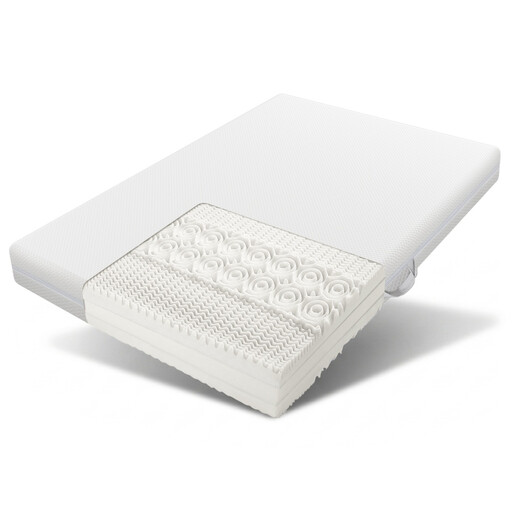
Why this product suits this profile: The 140x200 cm size is suited to more compact double beds, guest rooms or single sleepers who want extra room to move.
The product details specify seven zones, a height of 20 cm, two firmness sides and a removable cover that can be washed at 60 °C.
7-zone core, H2 and H3 sides, 140x200 cm size, all-round zip and non-slip underside according to the product description.
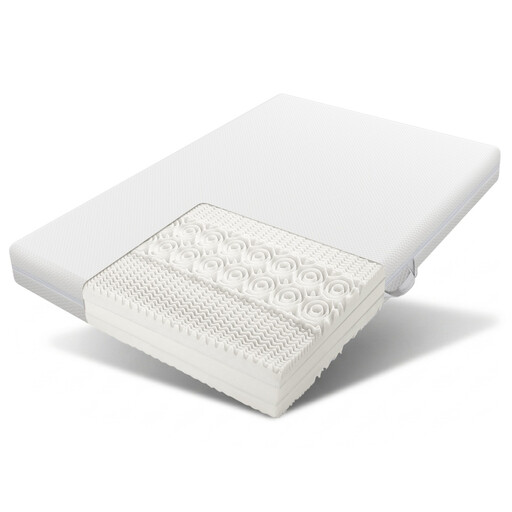
Why this product suits this profile: The wide sleeping area is designed for two people, provided your bed frame and bed base are made for a 180x200 cm mattress.
The description clearly states that the mattress needs 24 to 48 hours to expand and that the cover, not the core, is washable.
180x200 cm, 20 cm high, seven zones, reversible design, fabric turning handles and a cover that can be washed at 60 °C according to the retailer.
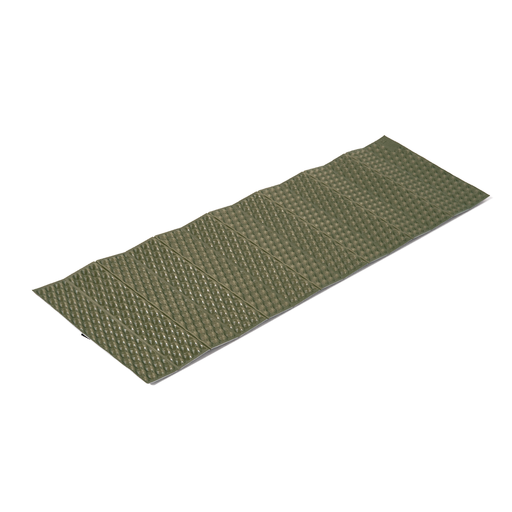
Why this product suits this profile: This foldable or rollable mat is designed for camping, backpacking and picnics, rather than everyday use in the bedroom.
The intended use, packed size and wipe-clean care instructions are clearly stated. It isn’t designed for machine washing.
XPE foam core, sleeping area of 183x63x2,6 cm, weight of around 750 g, water-repellent surface and R-value of 2,6 according to the product description.
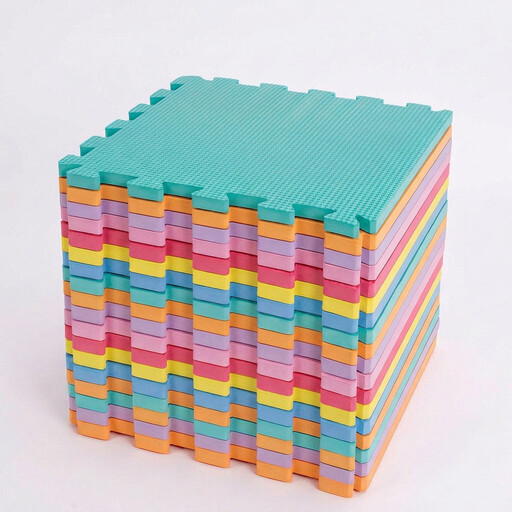
Why this product suits this profile: The EVA interlocking foam mat can be assembled to create a temporary floor covering for play areas, yoga, fitness or teaching spaces.
The individual 12×12-inch tiles and included edge pieces make it easy to work out how much floor space you’ll need before buying.
18 EVA foam squares, interlocking design, 27 edge pieces and easy cleaning according to the product description.
If you don’t want to replace your existing mattress completely, you could consider a mattress pad or cold foam topper. The GTIMEX topper measures 90x200x7 cm, has an H2 firmness rating and, according to the product description, features seven comfort zones, a non-slip underside and a cover that can be washed at up to 40 °C. It may be suitable for guest, children’s or teenagers’ beds, as well as camping and motorhomes. View the GTIMEX mattress topper
The BLUEBOX-T2 toppers are available in larger sizes of 1800×2000×60 mm and 900×2000×60 mm. As only limited details are available for these two product variants, check the material, cover, washing instructions and fastening method on the relevant product page before buying.
We’ve put together a complete, regularly updated list of products that meet these strict selection criteria and fully comply with the safety regulations in force in the EU.
It depends on the manufacturer’s instructions. For the 7-zone cold foam mattress mentioned above, 24 to 48 hours is recommended to allow it to expand fully. Only then should you make a final judgement about its height and feel.
Your sleeping position is an important factor, but it isn’t the only one to consider. Side sleepers often look for enough give around the shoulders and pelvis. Depending on their build, back and stomach sleepers may prefer a firmer surface. A mattress with two different firmness sides can make choosing easier, but you’ll still need to check that it suits you.
A topper can change the feel of an existing mattress and can also work well on guest, children’s or temporary beds. However, it won’t automatically fix a mattress core that has sagged or become damaged. So first check the condition and size of your existing sleep surface, as well as the bed base beneath it.